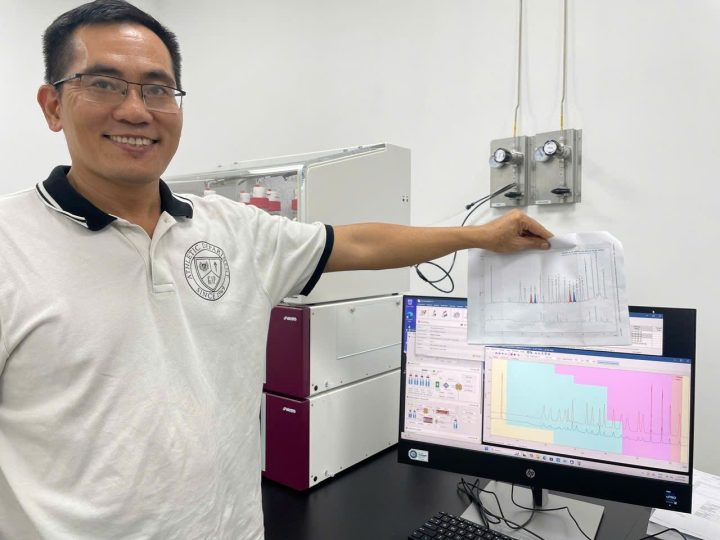
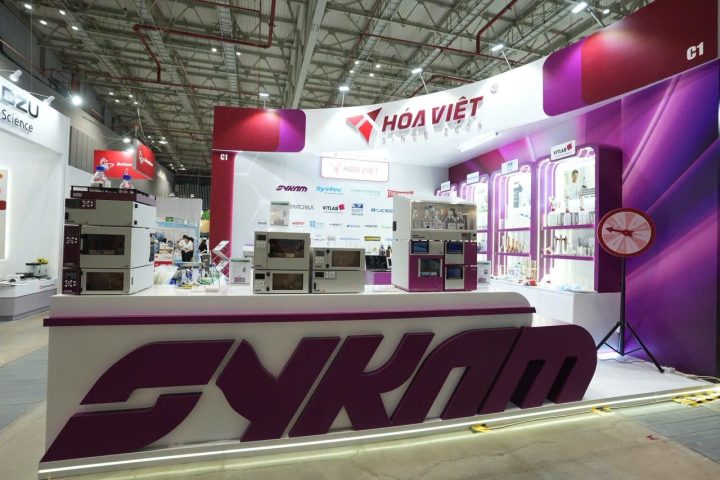
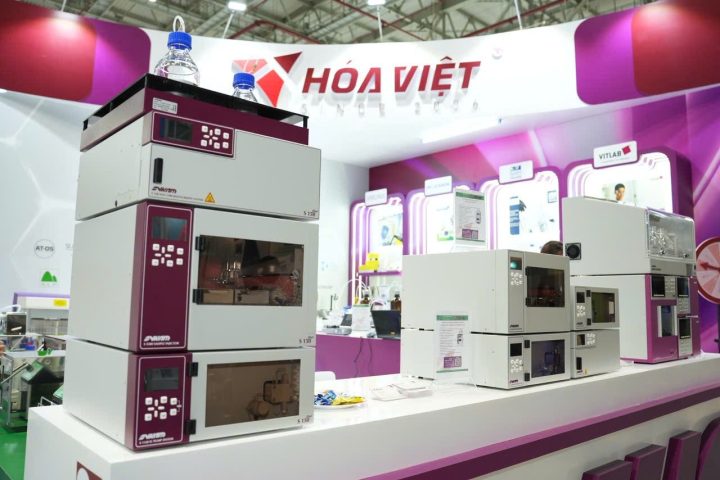
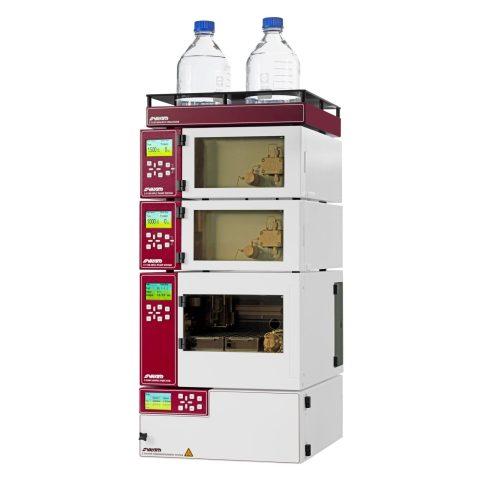
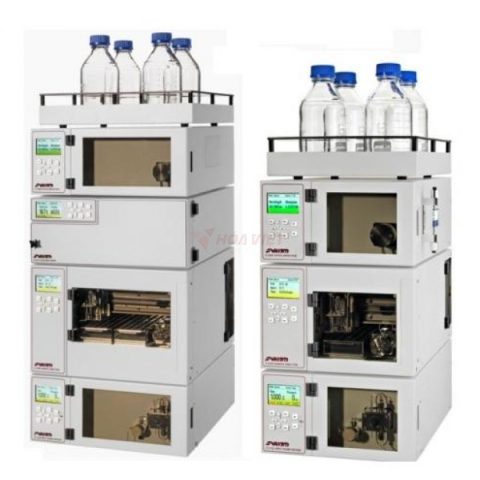
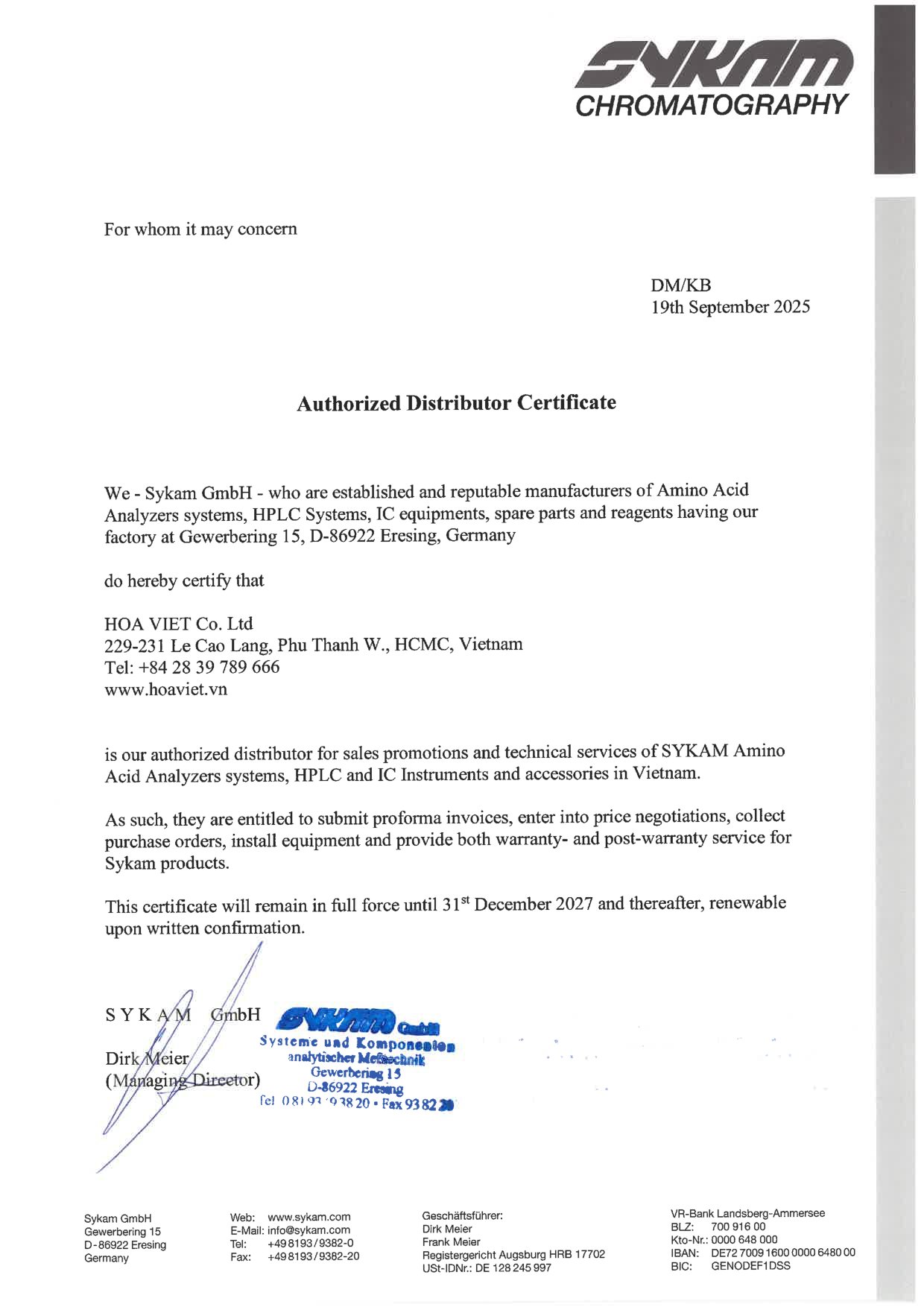
Hoa Viet imports & distributes directly from Sykam
We would like to introduce information about Sykam
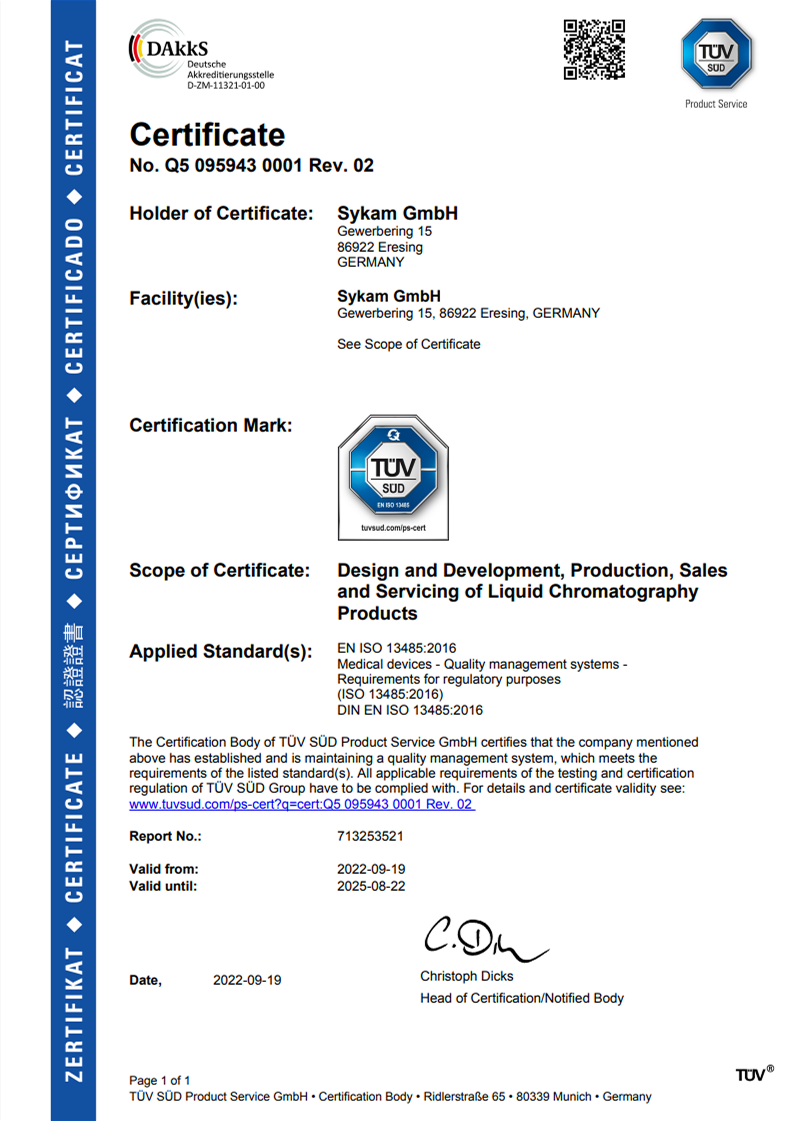
Sykam GmbH is a German company that, thanks to its expertise in manufacturing and development processes for chromatography equipment and compliance with international standards such as ISO 9001 and 13485, has been one of the world's leading suppliers of Amino Acid Analyzers (AAA) since 1980. In addition, Sykam chromatography systems also include Ion Chromatography, Preparative Chromatography, and HPLC.
Only 2 buffer solutions to run 18 amino acids
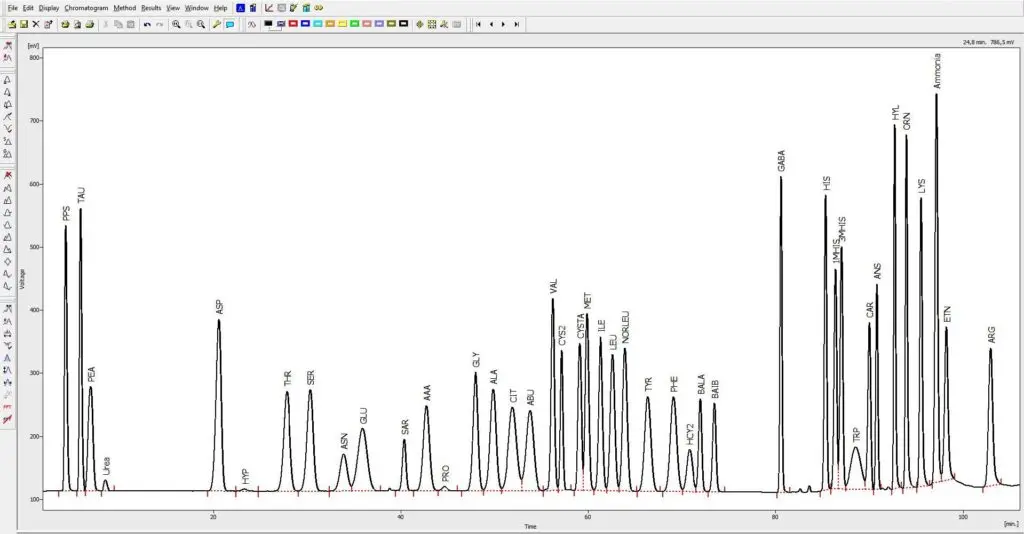
Currently, only the Sykam amino acid analyzer can run 18 AA with just 2 buffer solutions. This is a key advantage of Sykam over other brands: it saves chemicals and helps customers better manage the chemicals used to operate the instrument.
- 3 buffer solutions for 20 AA as stated in the Sykam documentation meets the standard instrument acceptance conditions. The 23 AA figure is based on actual test runs and acceptance testing at 2 international testing laboratories in Vietnam.
- Hoa Viet is ready to share the SOP so customers can prepare the buffer solutions for the AAA instrument themselves.
Sykam S 433 Automatic Amino Acid Analyzer
The Sykam S 433 is a dedicated ion-exchange chromatography system for the separation and quantification of amino acids: separation on a high-performance cation-exchange column, post-column derivatization with ninhydrin and simultaneous detection at 570 nm and 440 nm. It combines the proven reliability of classical ion-exchange chromatography with the advantages of modern high-performance liquid chromatography (HPLC).
Cation-exchange separation with post-column ninhydrin derivatization fully complies with EU Commission Directive 98/64/EC and is the trusted standard for physiological fluids as well as food and feedstuff hydrolysates. Hoa Viet imports and distributes directly from Sykam GmbH (Germany).
- 23common amino acids in a single injection
- ≤ 0.3 %RSD retention time
- ≤ 1.0 %RSD peak area
- 120vials, cooled sample tray
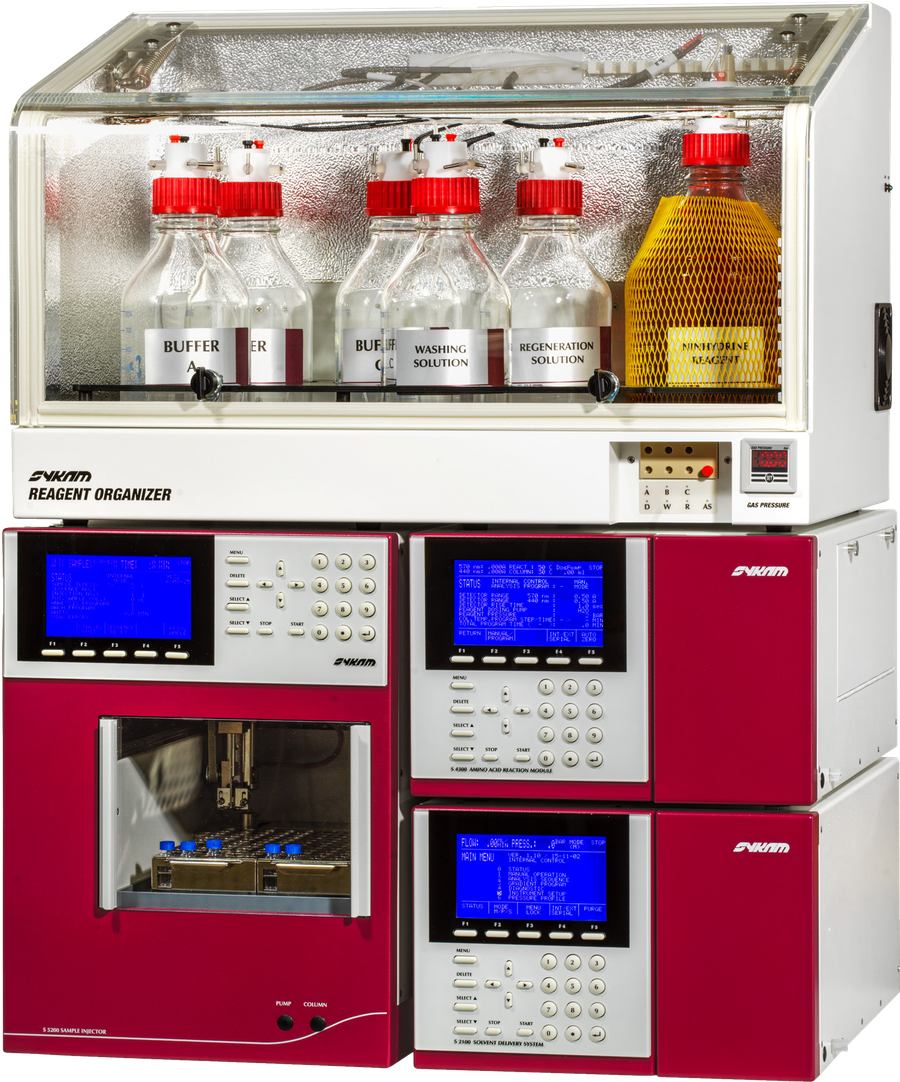
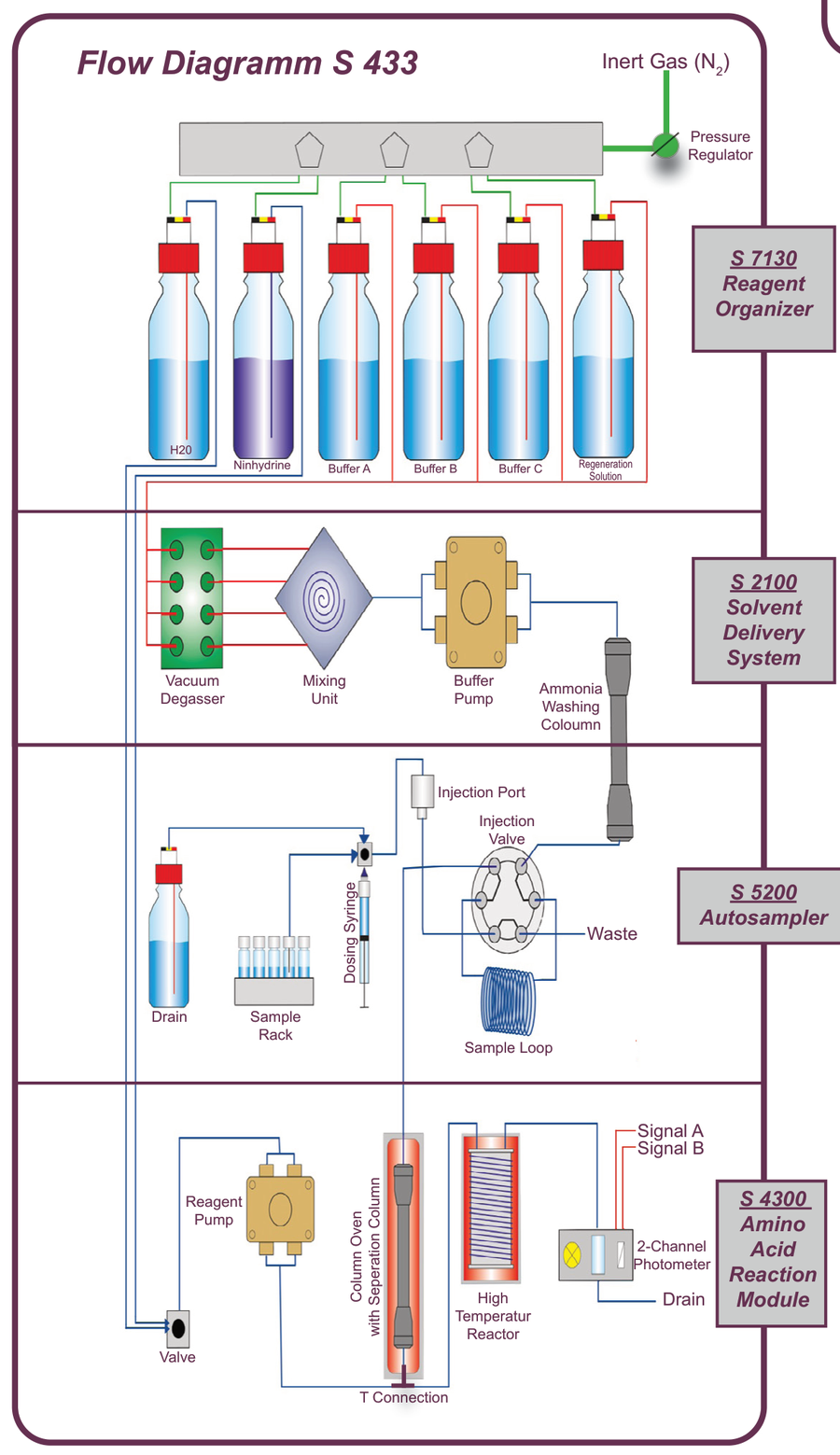
Principle: cation exchange and post-column ninhydrin derivatization
Samples are separated on a cation-exchange column with a buffer gradient; after the column the eluate is mixed with ninhydrin and passes a high-temperature reactor to form the coloured complex, which is measured by a dual-channel photometer. All parts in contact with buffers and reagents are made of inert materials (PEEK, PTFE, PVDF), so no special non-corrosive buffer compositions or reagents are needed.
- S 7130 · Reagent Organizer
Reagent storage
Buffers and ninhydrin are stored in a refrigerated cabinet under inert gas (N₂) pressure to avoid oxidation and air contamination.
- S 2100 · Solvent Delivery
Quaternary gradient pump
Dual-plunger pump with active pulse compensation for a stable baseline, integrated vacuum degasser, more than 100 gradient steps with 0.1 % resolution.
- S 5200 · Autosampler
Automatic injection
Cooled tray for 120 vials, 1–100 µL injection without sample loss, programmable wash against cross-contamination.
- S 4300 · Column oven
Cation-exchange separation
Column oven +20 to +99 °C with active heating and cooling, up to 12 temperature steps per program.
- S 4300 · Reactor & detector
Ninhydrin + 2-channel photometer
Reactor up to 180 °C (normally 130 °C), automatic coil flushing after each run; simultaneous 570 nm and 440 nm detection.
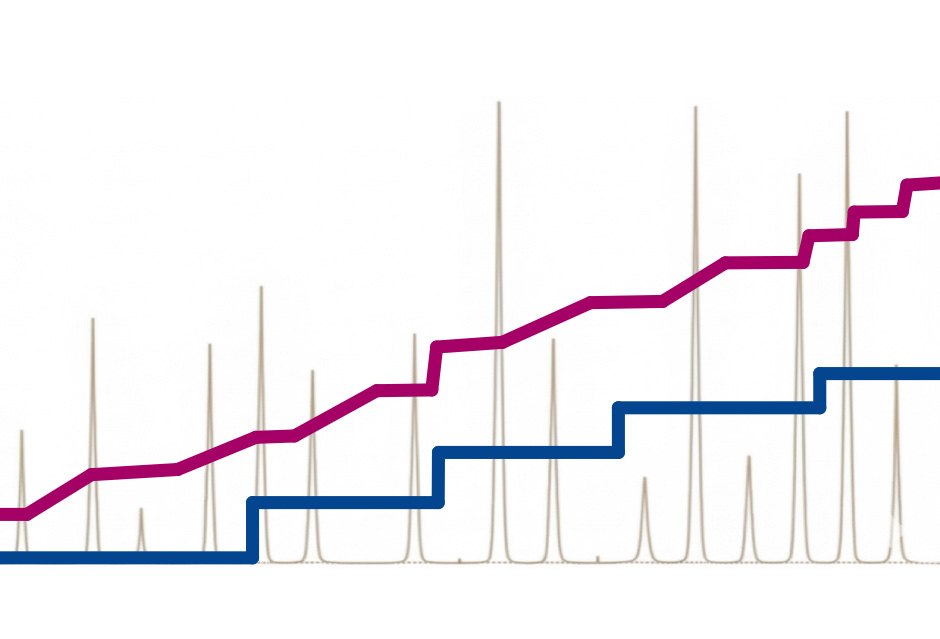
Multistep buffer gradient
Old step-elution systems needed 4–5 buffer solutions. With the optimized S 433 buffer system only 2 buffers for hydrolysates and 3 for physiological samples are needed; the buffers are mixed continuously to form the optimum profile at any part of the separation.
- Na, Li or K buffer systems (2–4 buffers depending on method) with a flexible quaternary gradient.
- The lithium buffer system runs hydrolysate and physiological programs without changing buffers or columns.
- Ready-made buffers tested lot by lot, ready-made ninhydrin and standard solutions.
- 440 nm for proline and 4-hydroxyproline, 570 nm for the other amino acids; optional summing of both channels for single-channel integration.
S 433 system configuration
Standard configuration supplied by Hoa Viet, one unit per item.
| Item | Description | Key specifications / benefits |
|---|---|---|
| Eluent delivery system (S 2100) | Quaternary gradient pump with integrated vacuum degasser | Inert PEEK/PTFE fluidics (zero corrosion from acidic buffers); active pulse compensation for a stable baseline |
| Autosampler module (S 5200) | Automated sample injection system | Cooled sample tray up to 120 vials; 1–100 µL injection with zero sample loss |
| Post-column derivatization module (S 4300) | High-temperature reaction coil and ninhydrin pump | Programmable up to 180 °C, normally 130 °C; automatic capillary flushing |
| Dual-channel photometer (S 4300) | Integrated wavelength detector | Simultaneous 440 nm (proline, 4-hydroxyproline) and 570 nm (other amino acids) |
| Reagent organizer (S 7130) | Refrigerated compartment for buffers and ninhydrin | Kept under inert gas (N₂) pressure to prevent ninhydrin oxidation |
| Separation column kit | High-performance cation-exchange column | Specialized resin for single-injection separation of 23 common amino acids (incl. tryptophan) |
| Chromatography software | Clarity / Sykam Data System | Full instrument control, automatic peak integration, calibration and reporting |
| Consumables starter kit | Buffers, ninhydrin reagents, vials, standard solutions | Pre-formulated kit for immediate start-up, approx. 500–1,000 injections |
Technical specifications
According to Sykam product specification PS-S433 (version 1.0) and the Sykam brochure.
| Method | Cation-exchange chromatography, post-column ninhydrin derivatization, detection at 570 nm and 440 nm |
|---|---|
| Applications | Protein hydrolysates, physiological fluids (serum/urine), biogenic amines |
| Method run times | 15–160 min depending on sample complexity and buffer system (plus regeneration time) |
| Retention time reproducibility | ≤ 0.3 % RSD |
| Peak area reproducibility | ≤ 1.0 % RSD |
| Baseline noise | < ±25 µAU (ASTM) |
| Linearity | 0–2 AU (correlation factor > 0.999) |
| Buffers | Na, Li or K; 2–4 buffers depending on method; quaternary gradient |
| S 2100 pump | Dual-plunger pump, active pulse compensation; 0.01–10.00 mL/min (depending on pump head); max. 350 bar; more than 100 gradient steps, 0.1 % resolution; integrated vacuum degasser |
| Reagent pump | 2-plunger pump, 0.01–2.0 mL/min |
| Column oven | +20 to +99 °C, active cooling, up to 12 temperature steps |
| Reactor | Ambient to 180 °C (±1 °C); automatic coil flushing after each run |
| Detector | Dual filter photometer 440/570 nm, constant signal output, signal summing, programmable offset, 3 rise times |
| S 5200 autosampler | 120 vials in cooled tray; sample compartment 5–70 °C; 1–100 µL in 1 µL steps; reproducibility < 1 % (10 µL); carry-over < 0.01 % depending on wash |
| S 7130 reagent organizer | Integrated cooling, inert gas (N₂) valves for oxygen-free storage, adjustable pressure (0.6–0.7 bar per configuration diagram) |
| Safety | System pressure display; leakage sensors for reactor and column; high-pressure limit |
| Wetted materials | PEEK, PTFE, PVDF and other inert materials |
| Software | Clarity Amino (DataApex Clarity CDS) / Sykam Data System; FDA 21 CFR Part 11 compliant |
The pump and autosampler modules can also be used as a standard HPLC gradient pump and autosampler.
Applications and analysis programs
The S 433 is used for feedstuff, foodstuff, biogenic amines, pharmaceutical quality control and pharmacopoeia conformity. Standard Sykam programs:
| Program | Sample | Arginine elutes at | Injection to injection |
|---|---|---|---|
| Standard hydrolysate | Protein hydrolysates | 42 min | 58 min |
| Oxidized hydrolysate | Hydrolysates (cysteic acid, methionine sulfone) | 46 min | 59 min |
| Oxidized hydrolysate, lithium buffers | Hydrolysate and physiological without changing buffers/columns | 57 min | 77 min |
| Oxidized hydrolysate + 440 nm channel | Hydroxyproline, proline, additional β-alanine | 68 min | 88 min |
| Physiological routine | Physiological standard acidics/neutrals/basics | 103 min | 128 min |
| Extended physiological | Plus pipecolic acid, homocitrulline, allo-isoleucine, kynurenine… | 158 min | 184 min |
| Short program | Argininosuccinic acid, allo-isoleucine, homocystine… | – | 44 min |
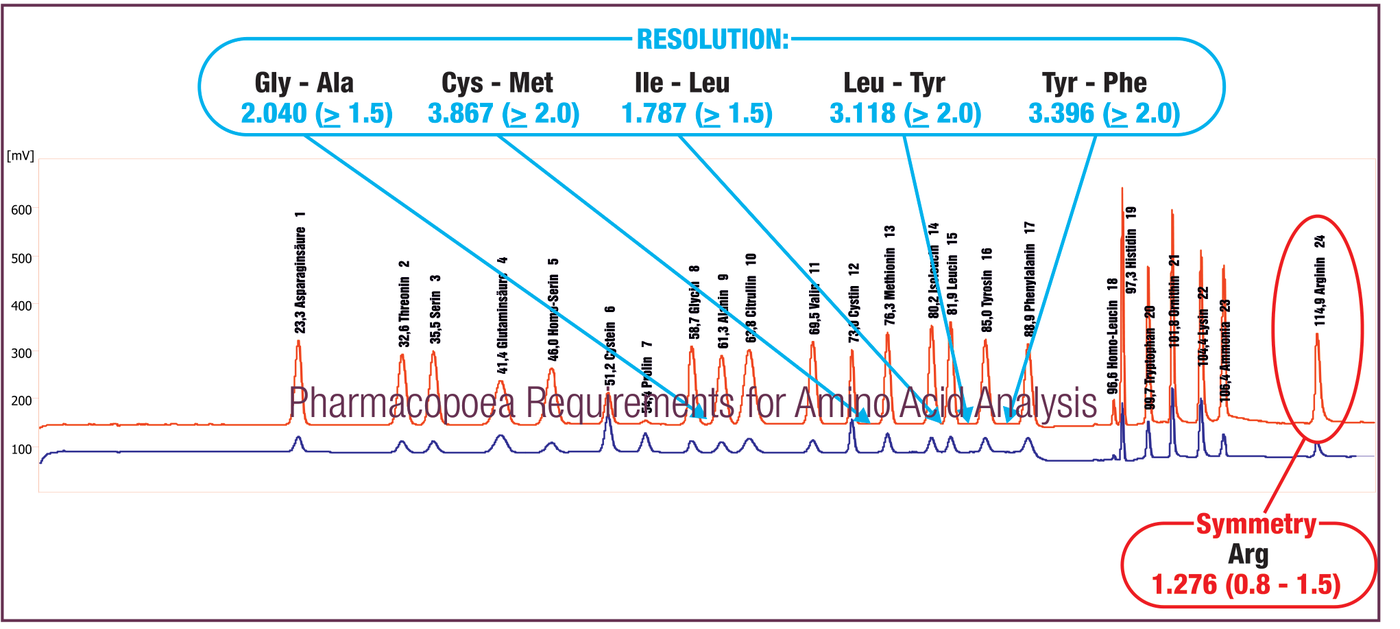
Real chromatograms
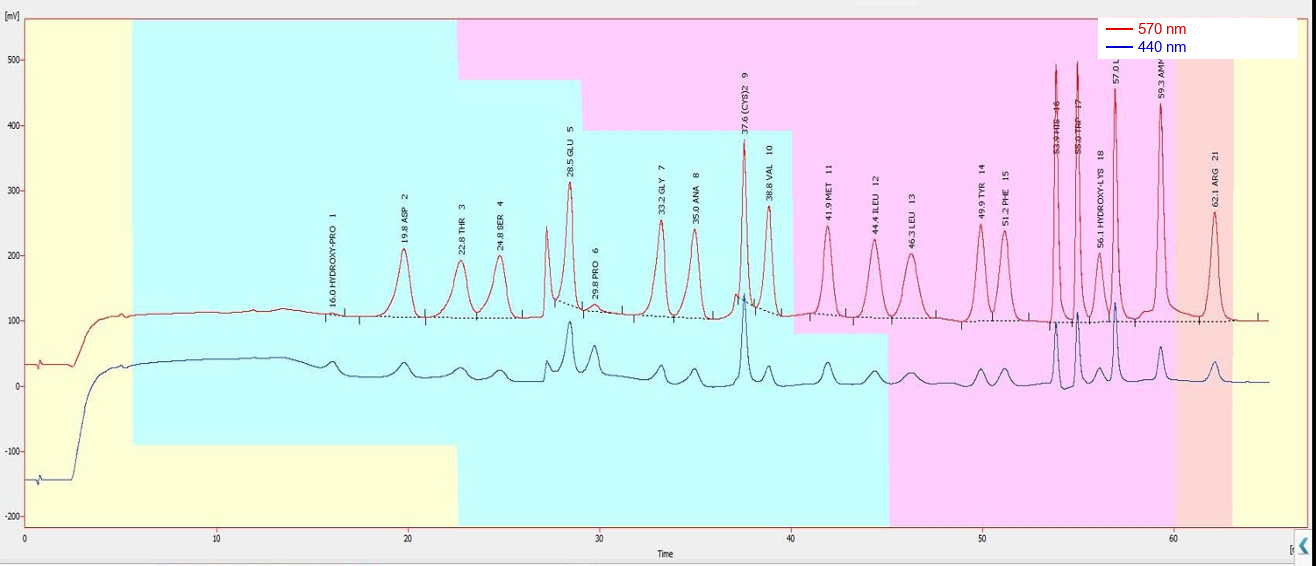
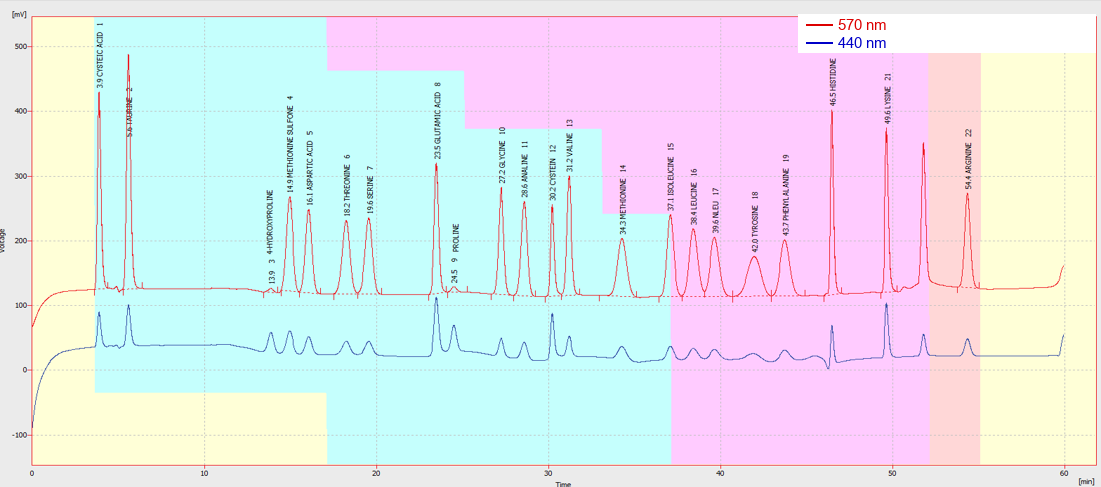
Clarity Amino software and GxP compliance
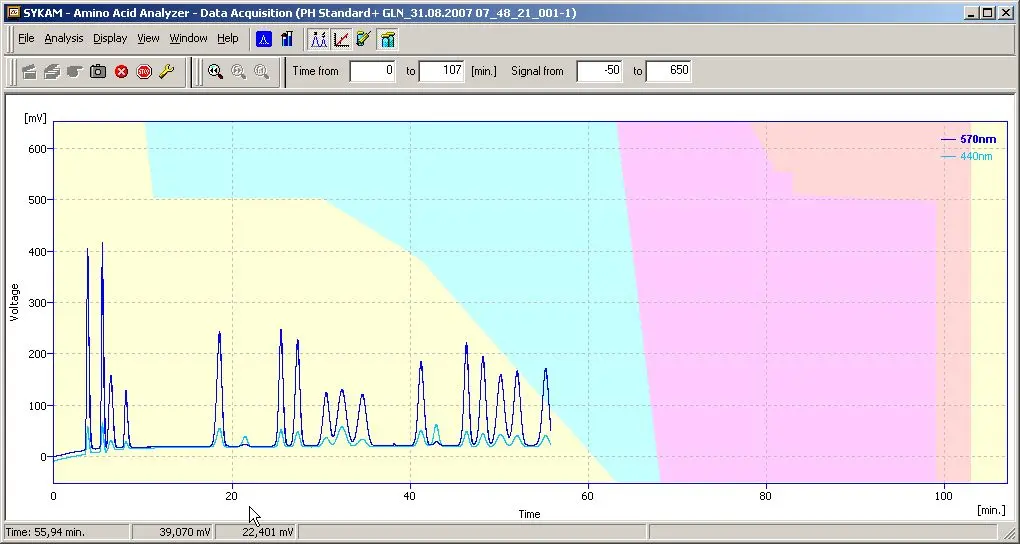
- Based on the DataApex Clarity chromatography data station, FDA 21 CFR Part 11 compliant for GxP-regulated laboratories.
- All method parameters are stored within the chromatogram file: buffer gradient, column temperature program, integration and calculation parameters, plus actual buffer and reagent pressure and column temperature recorded during the run.
- The buffer gradient is visualized as background colours in the running chromatogram.
- Full instrument control, automatic peak integration, calibration curves and reporting.
- Users are free to use another CDS; the control software always stores all system parameters of the analysis.
Order versions
| Catalog no. | Version |
|---|---|
| S001570 | Amino Acid Analyzer S 433 DS – Hydrolysates |
| S001638 | Amino Acid Analyzer S 433 DS – Physiological |
| S003098 | Amino Acid Analyzer S 433 DS – Biogenic Amines |
Sykam S 433 FAQ
What principle does the Sykam S 433 use?
The Sykam S 433 separates amino acids on a cation-exchange column with a buffer gradient, then derivatizes them post-column with ninhydrin in a high-temperature reactor and detects simultaneously at 570 nm and 440 nm (proline and 4-hydroxyproline at 440 nm).
How long does a run take?
Method run times are 15–160 min depending on sample and buffer system, plus regeneration time. Example: standard hydrolysate program, arginine at 42 min, 58 min injection to injection.
How many buffers are needed?
With the optimized Sykam buffer system only 2 buffers are needed for hydrolysates and 3 for physiological samples; the lithium system runs both programs without changing buffers or columns.
Does the S 433 meet pharmacopoeia and GxP requirements?
The Sykam brochure shows chromatograms meeting pharmacopoeia resolution and symmetry criteria for amino acid analysis; Clarity Amino is FDA 21 CFR Part 11 compliant and the cation-exchange/post-column ninhydrin method complies with Directive 98/64/EC.
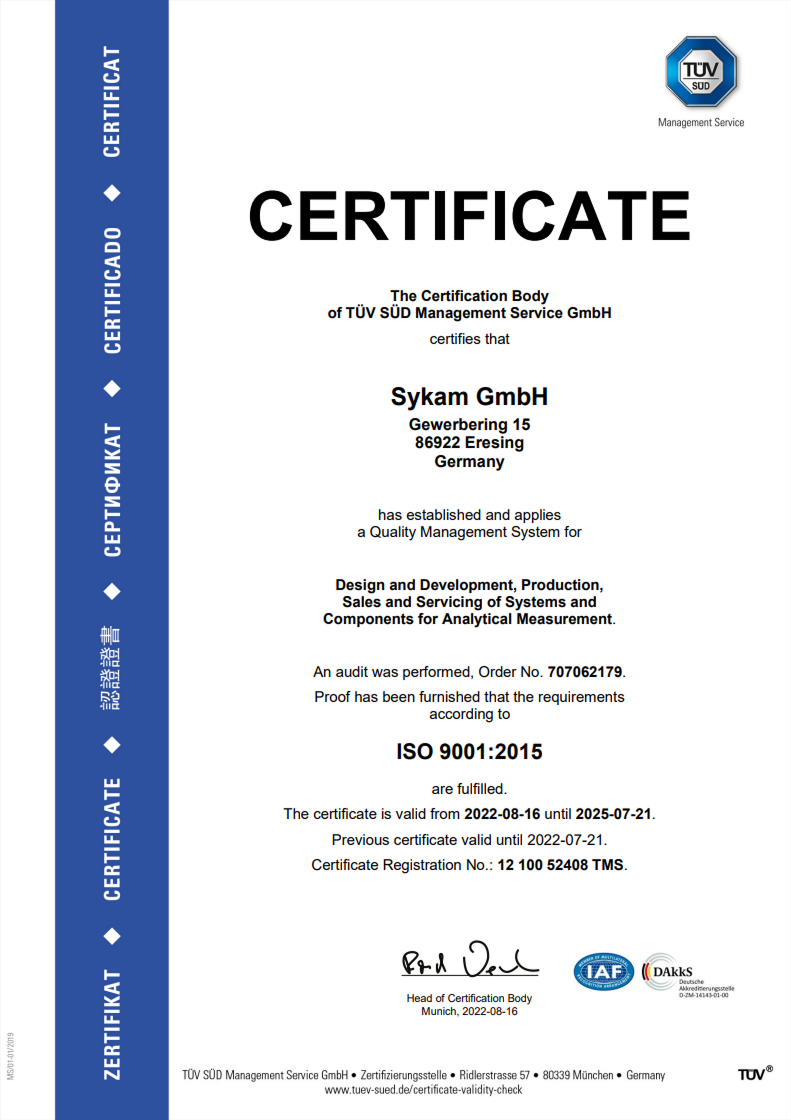
ISO 9001:2015 Certificate
ISO 13485:2016 Certificate
Contact us for information
Official SYKAM information page in Vietnam: sykam.hoaviet.vn
SYKAM actual photos