
 All
 SYKAM - Germany
 Systec - Germany
 Atago - Japan
 Sartorius - Germany
 Shimadzu - Japan
 Binder - Germany
 Interscience - France
 Haier - China
 Rocker - Taiwan
 Hirschmann - Germany
 Newstar - China
 Jet Biofil - China
 Nabertherm - Germany
 Vitlab - Germany
 Alla - France
 AT-OS - Italy
 Jipo - Czech Republic
 ALP - Japan
 Aptaca - Italy
 Assistent - Germany
 Yamato - Japan
 Burkle - Germany
 Aureole - India
 Duran - Germany
 Azlon - Anh
 Kimble-DWK - USA
 Julabo - Germany
 B+S - Anh
 SI Analytics - Germany
 WTW - Germany
 EBRO - Germany
 Sturdy - Taiwan
 PTI - USA
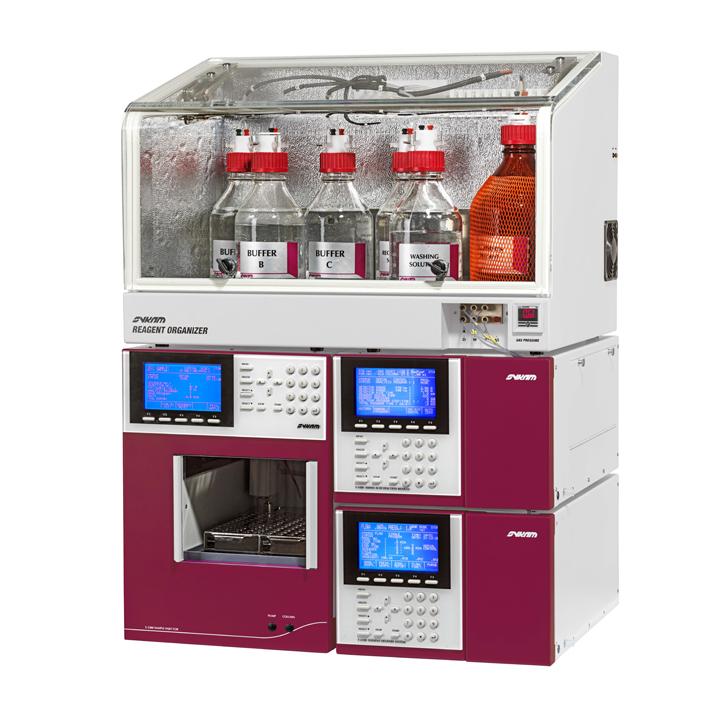 Analytical Equipment
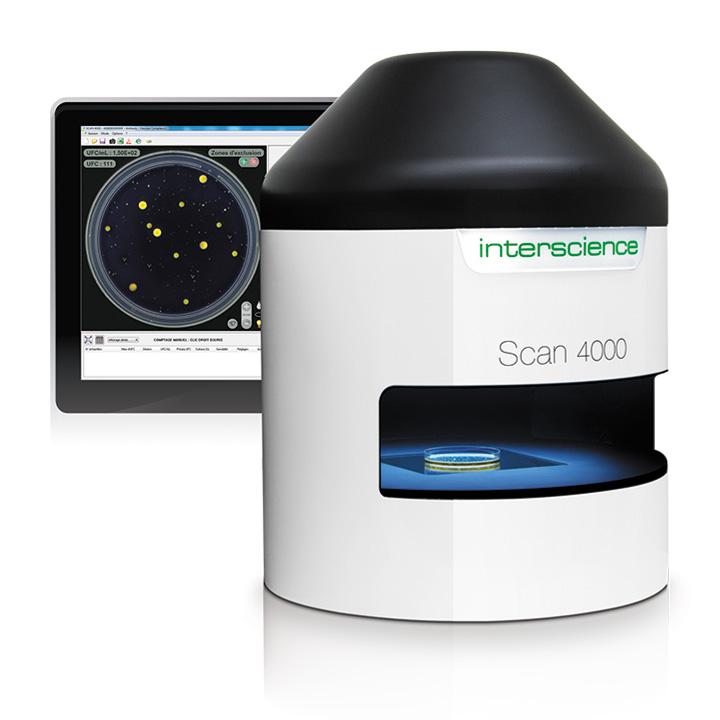 Microbiology Equipment
- Gravimetric Diluters and Sample Weighing Systems
- Mediaprep Automated Media Preparators
- Mediafill Automated Media Distributors
- Manual Media Dispensers
- Lab Blenders / Homogenizers
- Automated Spiral Platers
- Manual Colony Counters
- Automated Colony Counters
- Inhibition Zone Readers
- Automated Incubators and Colony Counters
- Biosafety Cabinets
- Laminar Flow Hoods
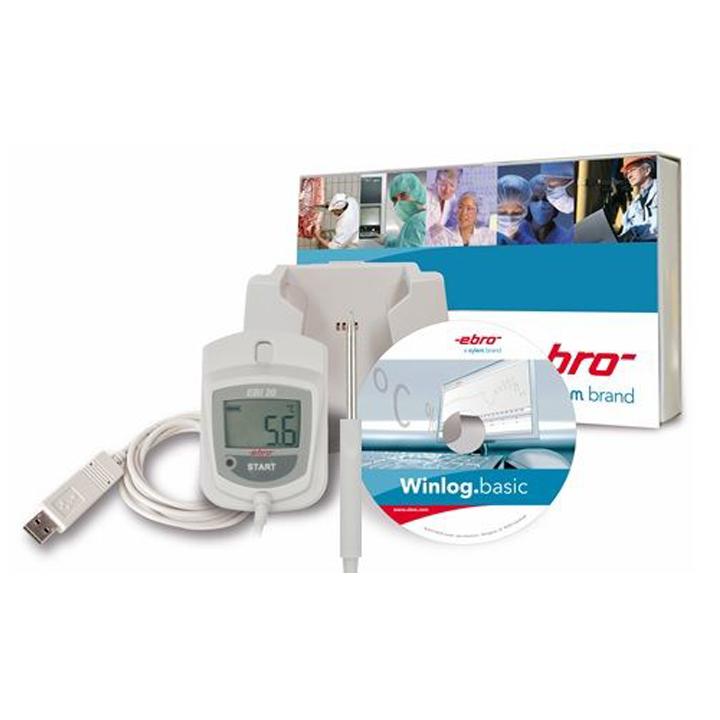 Temperature, Humidity, and Pressure Measuring Instruments
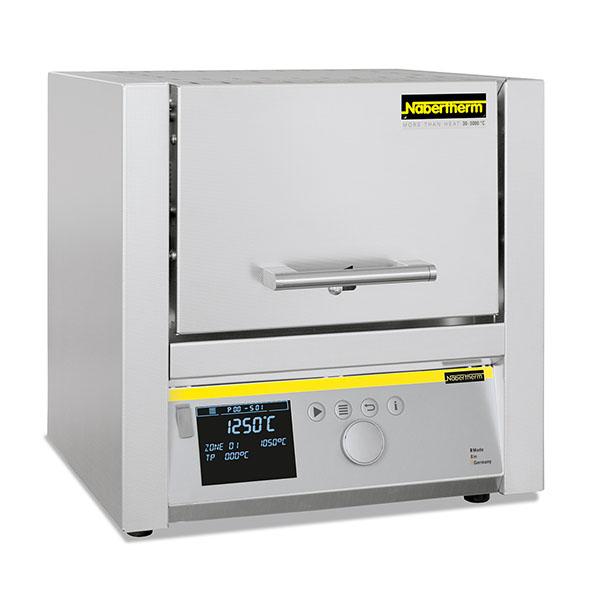 Other Basic Equipment
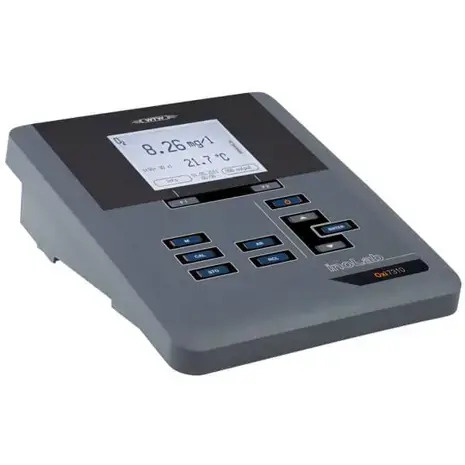 Multiparameter Water Quality Meters
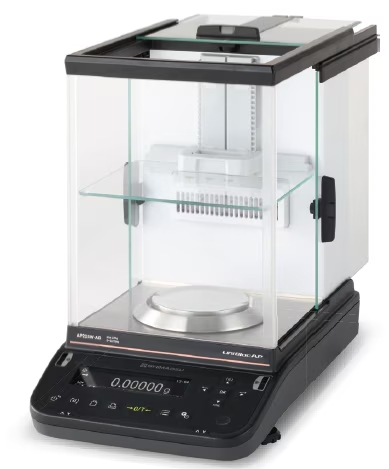 Balances
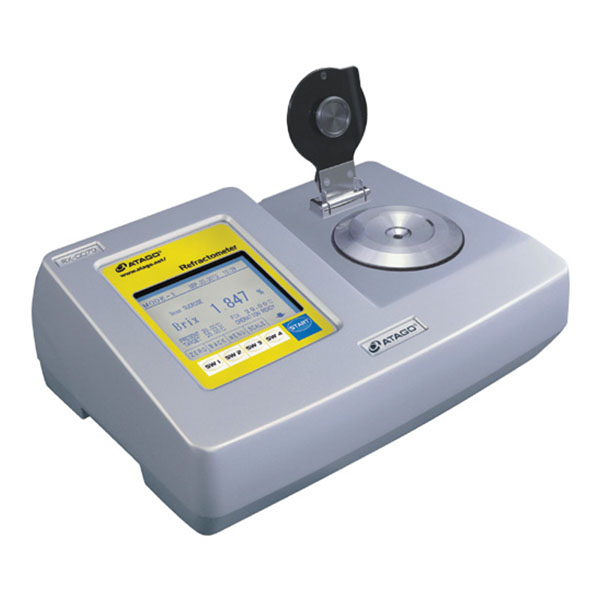 Polarimeters, Refractometers
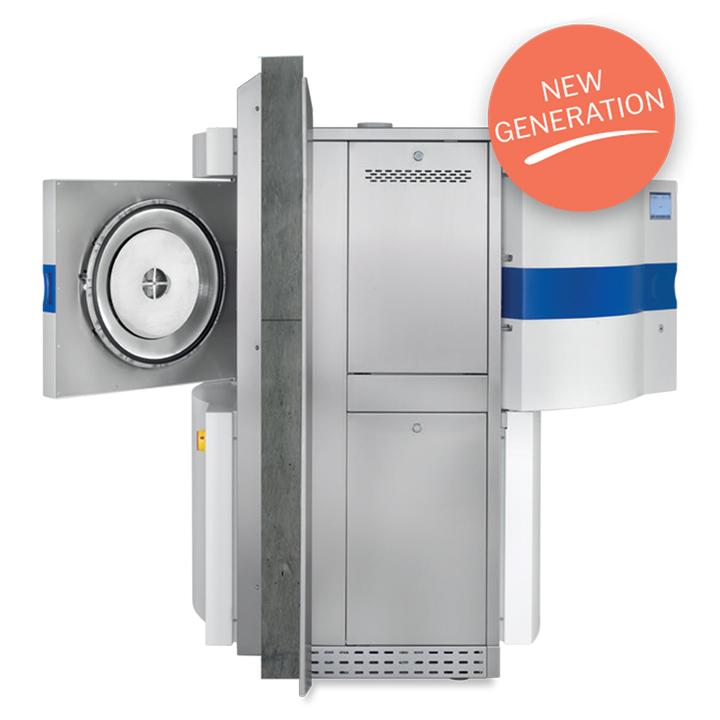 Autoclaves
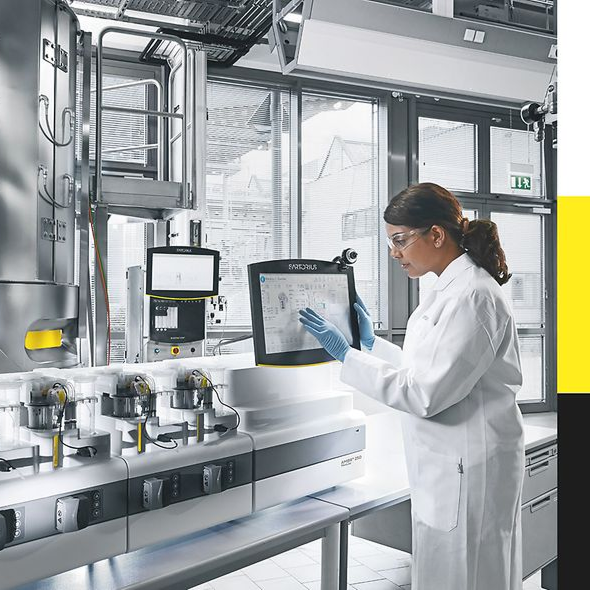 Biotechnology Equipment and Solutions
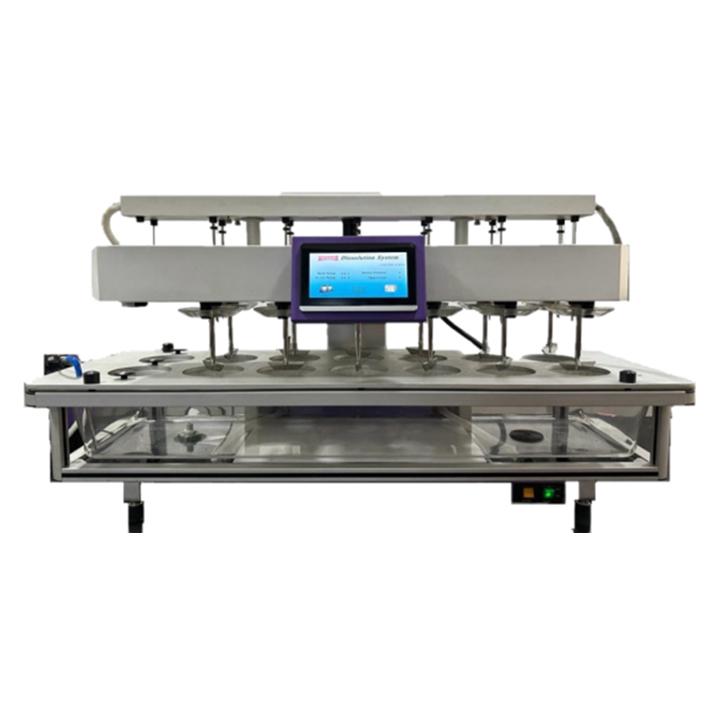 Pharmaceutical Equipment
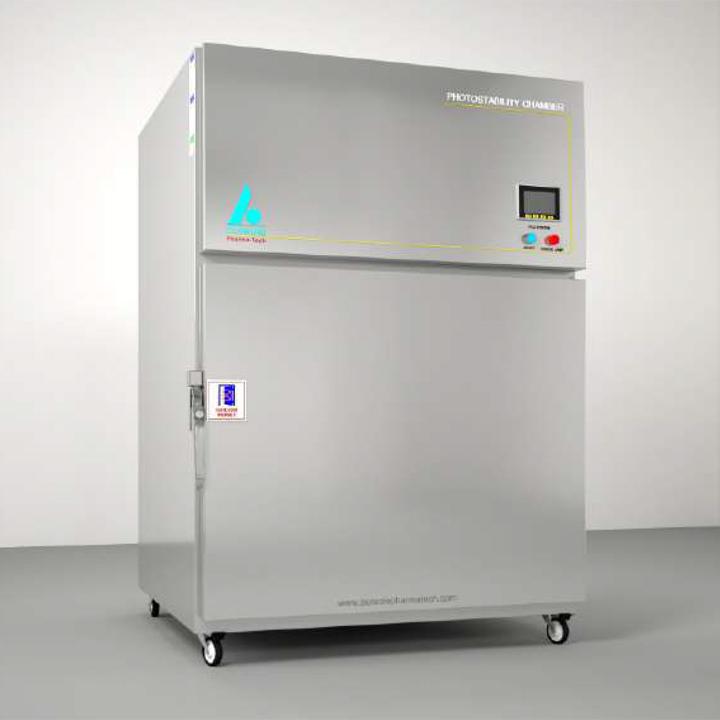 Shelf-life Testing Equipment
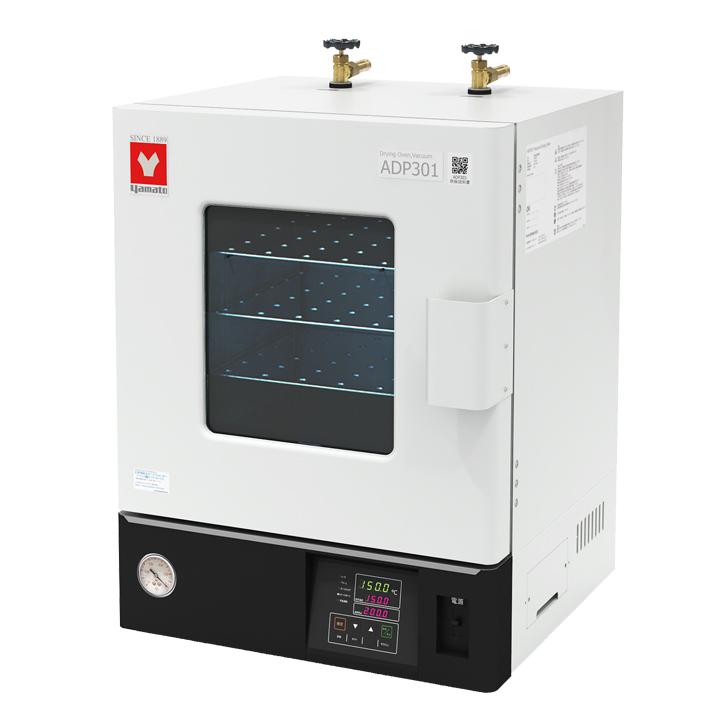 Drying Ovens
 Incubators
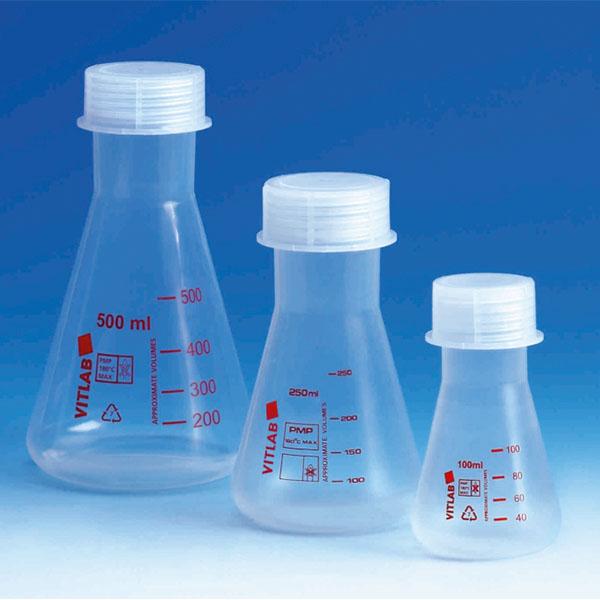 Laboratory Flasks
 Beakers, Measuring Jugs
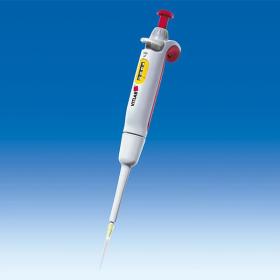 Liquid Handling Tools
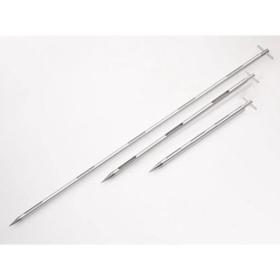 Sampling Tools
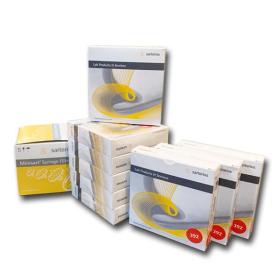 Filtration Tools and Consumables
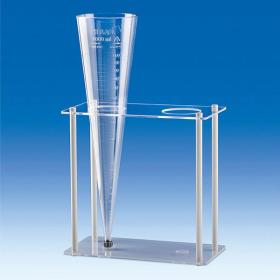 Racks and Stands
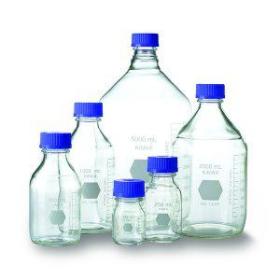 Laboratory Bottles and Vials
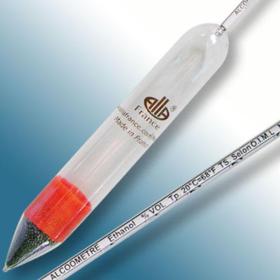 Thermometers, Hydrometers, Baumé Hydrometers, Alcoholmeters
 Pipettes
 Test tubes
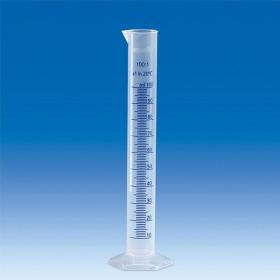 Graduated cylinders
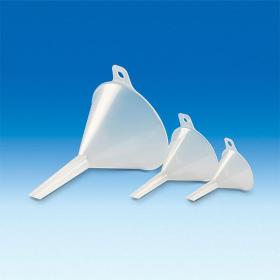 Funnels
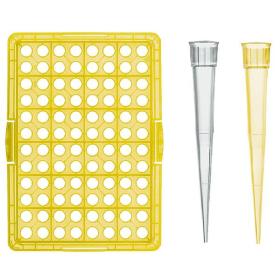 Tips & tip boxes
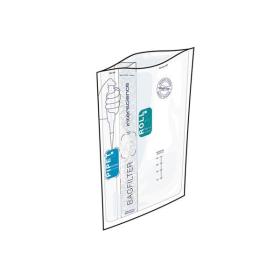 Homogenizer bags
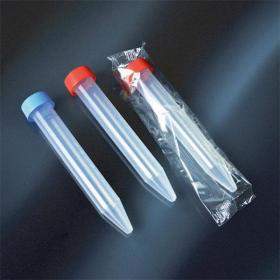 Centrifuge tubes
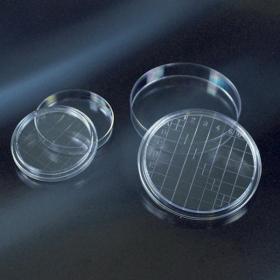 Petri dishes
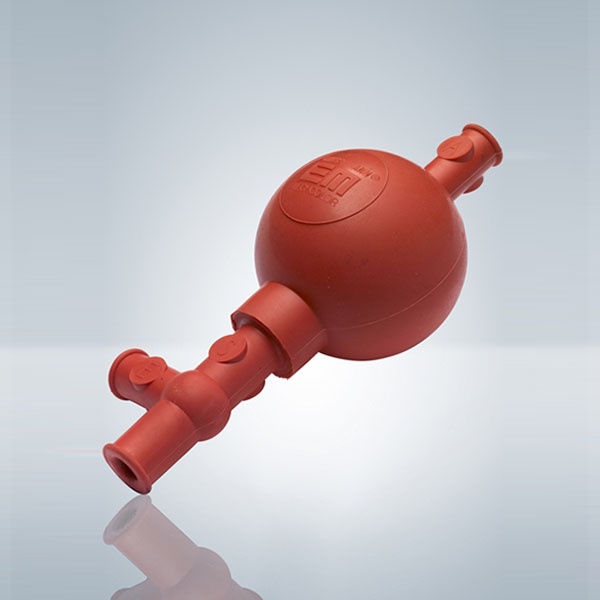 Others
- Glass capillary tubes
- Glass melting point tubes
- Condensers
- Plastic weighing boats
- Glass stirring rods
- Filtration and separation equipment
- Alcohol burners
- Glass weighing bottles
- Crucibles
- Crucible tongs
- Blender bag openers
- BagClip sealing clips
- Autoclave deodorant capsules
- Magnetic stir bars
- Test tube brushes
- Glass watch glasses
- Glass beads
- Glass wool
- Glass slides
- Plastic buckets
- Stainless steel bucket
- Rubber bulb
- Inoculation loop
- Sampling rod
- Plastic spoon
- Stainless steel spoon
- Plastic tweezers
- Glass burette
- Glass slide
- Glass filter crucible
Drying Ovens
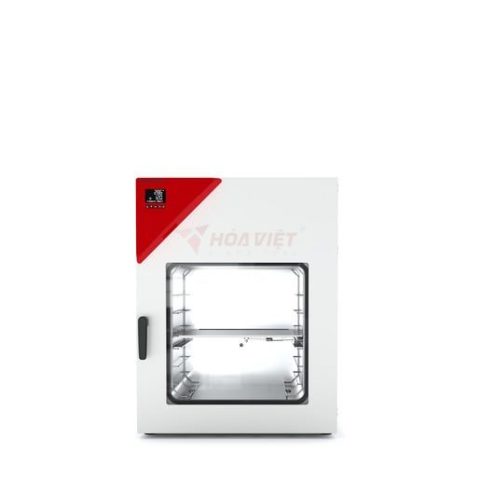
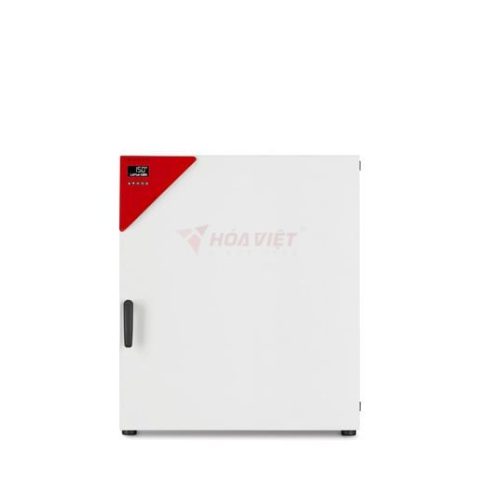
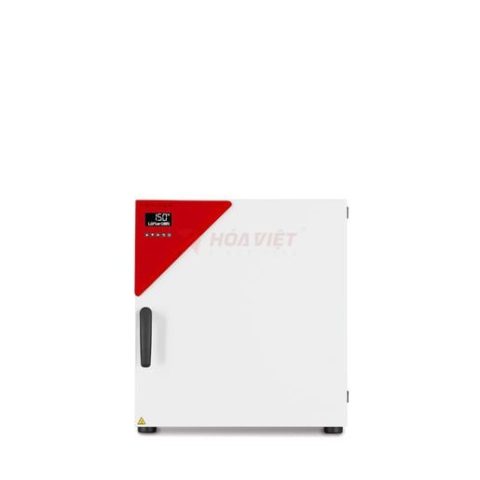
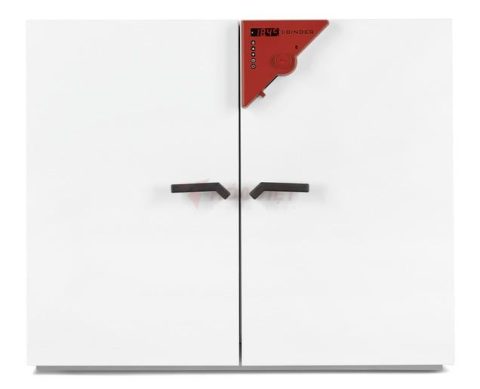
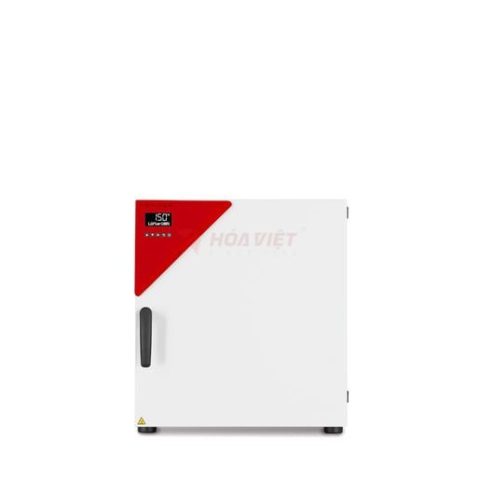
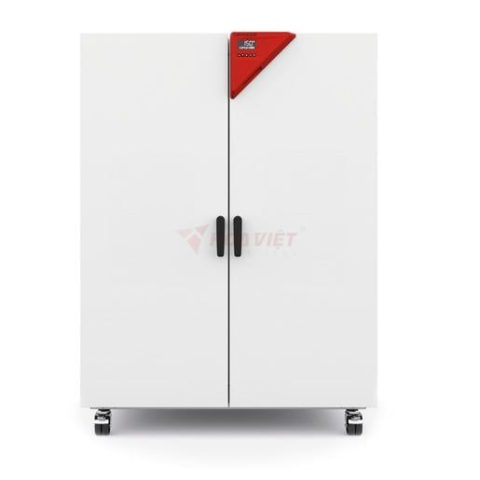
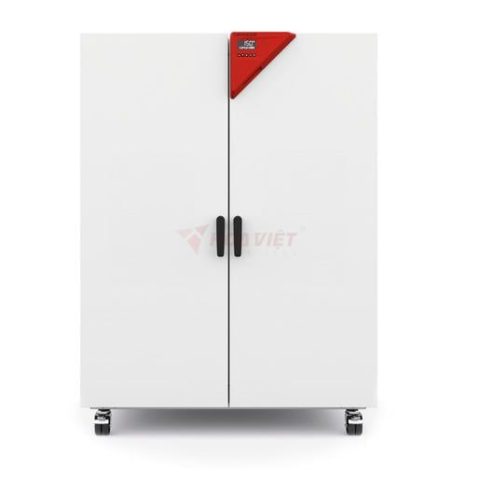
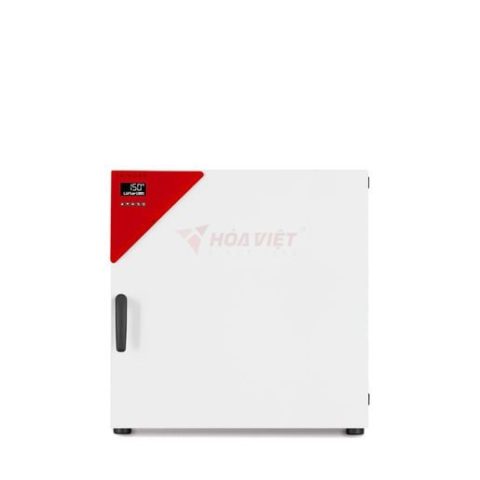
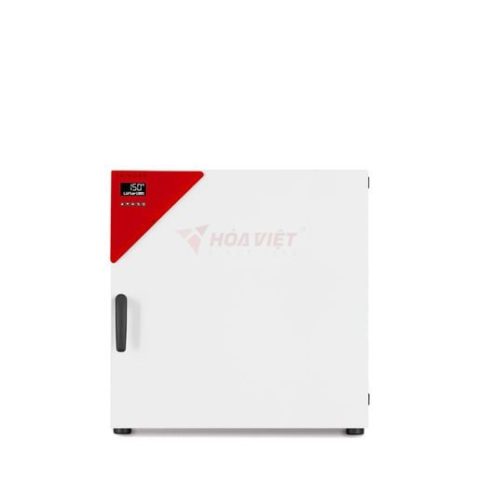
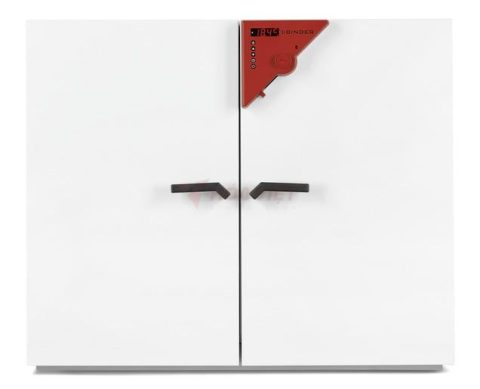
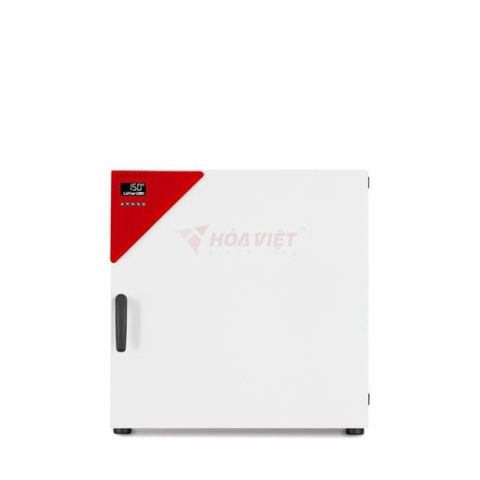
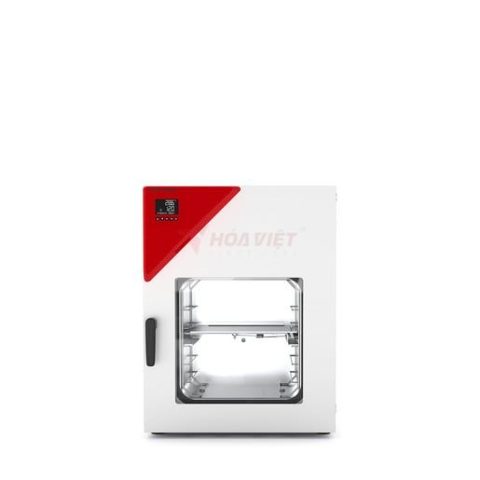
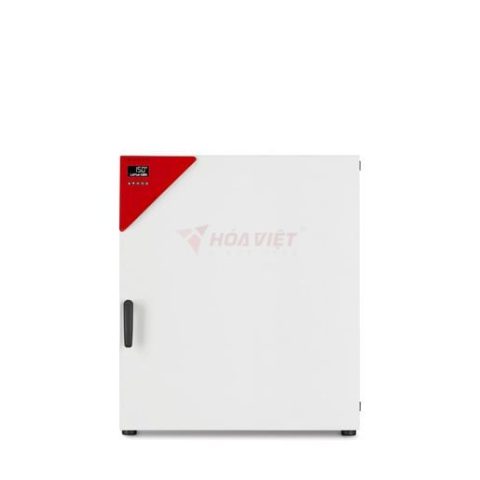
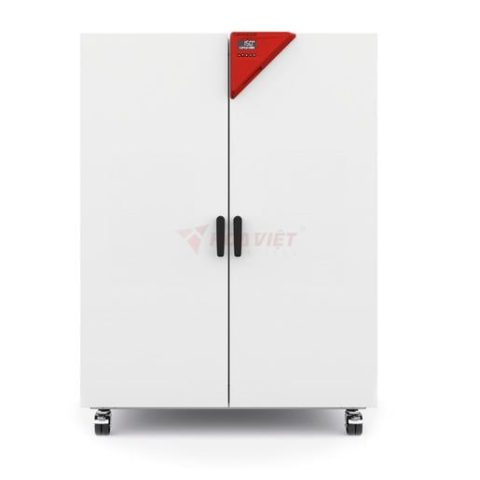
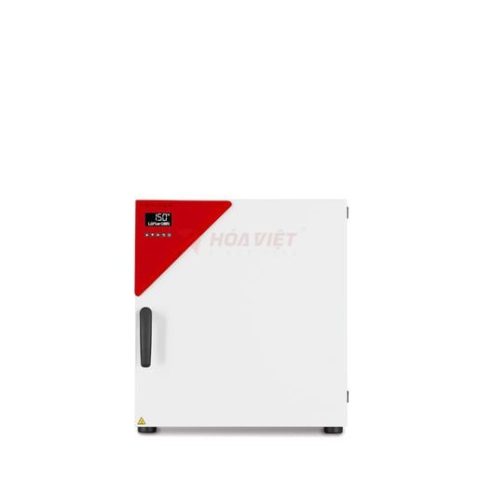
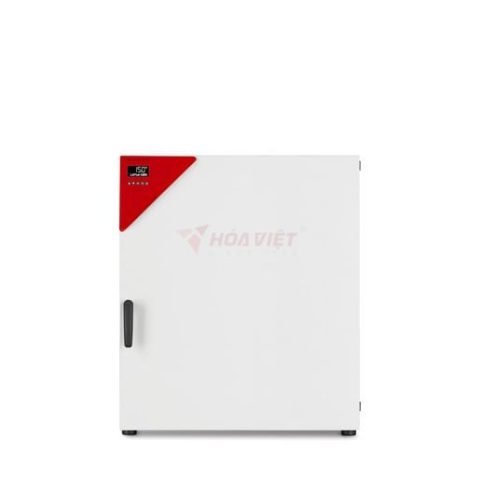
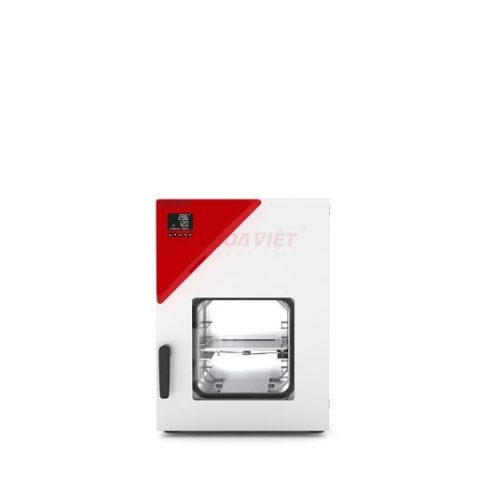
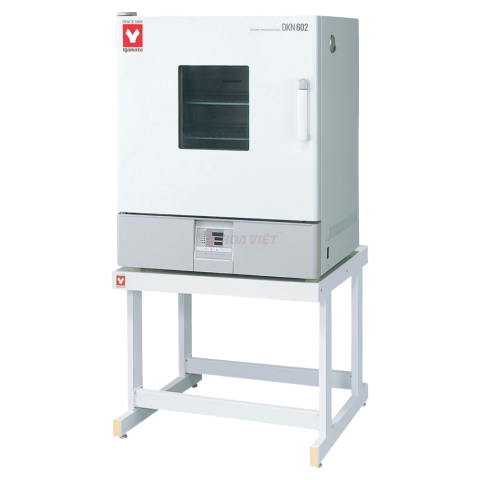
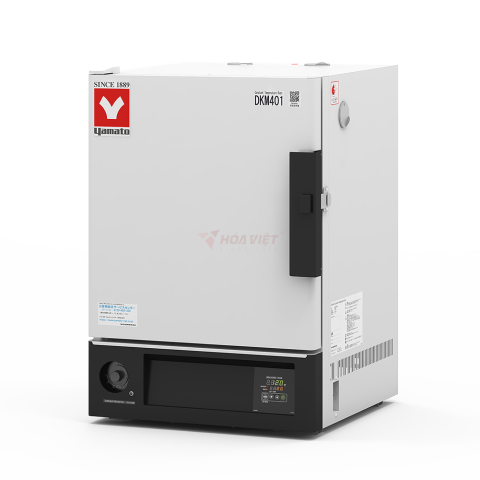
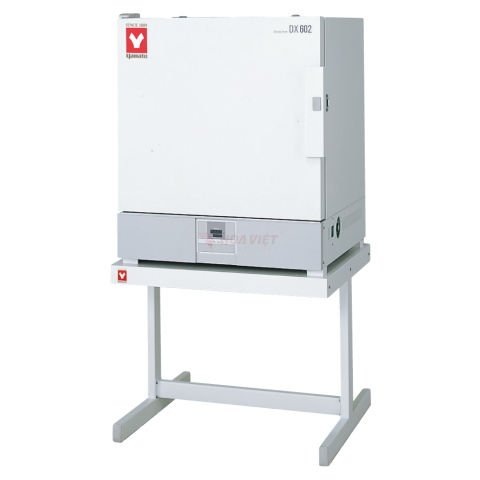
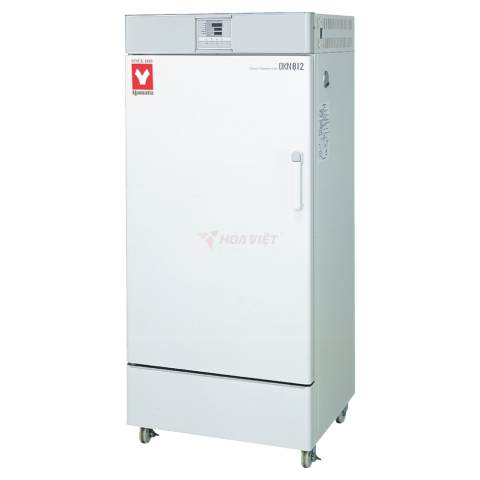
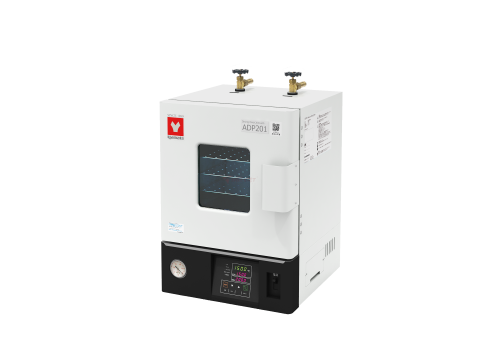
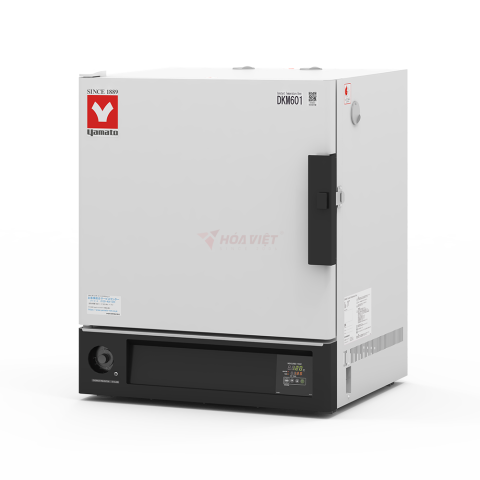
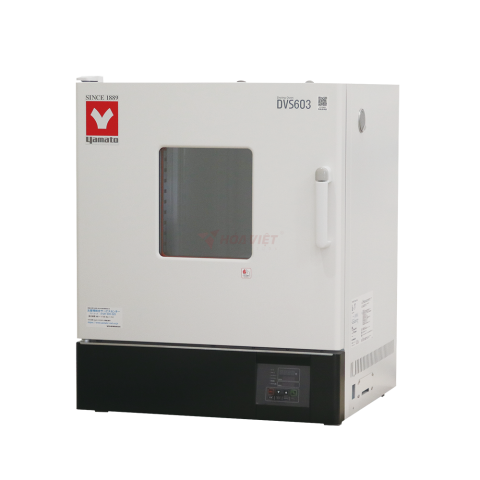
Introduction to Drying Ovens
Laboratory drying ovens are specialized temperature-control equipment used for drying labware, sterilizing, and heating samples in analytical processes. Depending on thermal processing requirements and sample properties, the equipment is divided into natural convection, forced convection, programmable, and vacuum drying ovens.
When selecting a drying oven, users should consider the operating temperature range, heating rate, and sample sensitivity to airflow. For light granular or powder samples, natural convection models prevent sample dispersal, while forced convection models shorten drying times with a circulation fan for heat distribution. Currently, Hoa Viet supplies drying oven lines from Binder (Germany) and Yamato (Japan), fully meeting testing and research requirements.
When should a natural convection drying oven be chosen over a forced convection one?
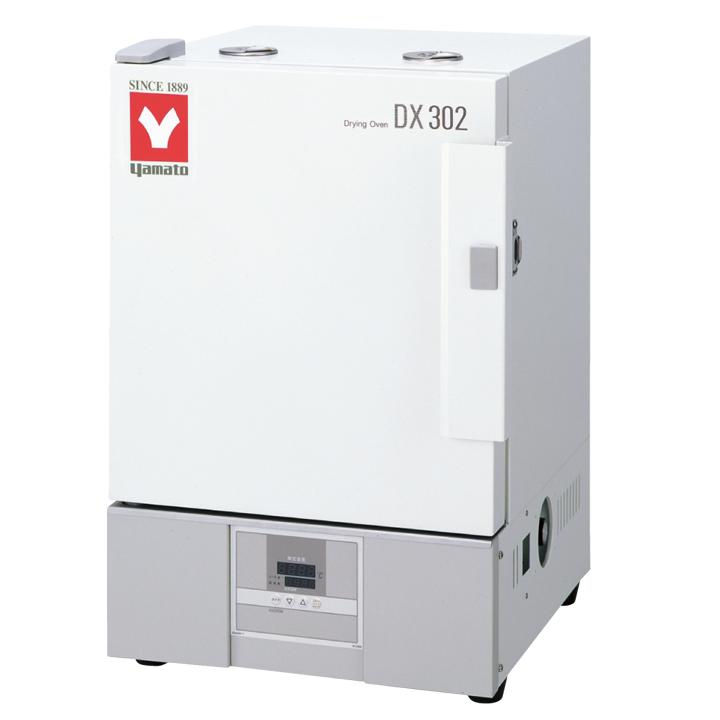
Natural convection drying ovens circulate heat entirely via natural airflow, suitable for powders, light fibers, or materials easily disturbed by airflow. Meanwhile, forced convection drying ovens feature a blower fan to ensure uniform temperature distribution and faster drying, ideal for labware sterilization or drying large sample batches.
When are vacuum drying ovens used?
Vacuum drying ovens are specialized for samples sensitive to high temperatures or prone to oxidation when exposed to air. Reducing chamber pressure allows liquids to evaporate at lower-than-normal temperatures, gently drying samples without denaturing their structure.
Which brands of drying ovens does Hoa Viet provide?
Hoa Viet distributes genuine drying ovens from Binder (Germany) and Yamato (Japan). The portfolio includes a full range of natural convection, forced convection, programmable, and vacuum drying ovens.
What should be noted when arranging samples inside the drying oven chamber?
Samples should not be placed too close together or completely cover the surface area of the shelves. Open spacing must be maintained to allow hot air to circulate evenly throughout the chamber, ensuring temperature accuracy and uniformity for the entire drying batch.
