
 All
 SYKAM - Germany
 Systec - Germany
 Atago - Japan
 Sartorius - Germany
 Shimadzu - Japan
 Binder - Germany
 Interscience - France
 Haier - China
 Rocker - Taiwan
 Hirschmann - Germany
 Newstar - China
 Jet Biofil - China
 Nabertherm - Germany
 Vitlab - Germany
 Alla - France
 AT-OS - Italy
 Jipo - Czech Republic
 ALP - Japan
 Aptaca - Italy
 Assistent - Germany
 Yamato - Japan
 Burkle - Germany
 Aureole - India
 Duran - Germany
 Azlon - Anh
 Kimble-DWK - USA
 Julabo - Germany
 B+S - Anh
 SI Analytics - Germany
 WTW - Germany
 EBRO - Germany
 Sturdy - Taiwan
 PTI - USA
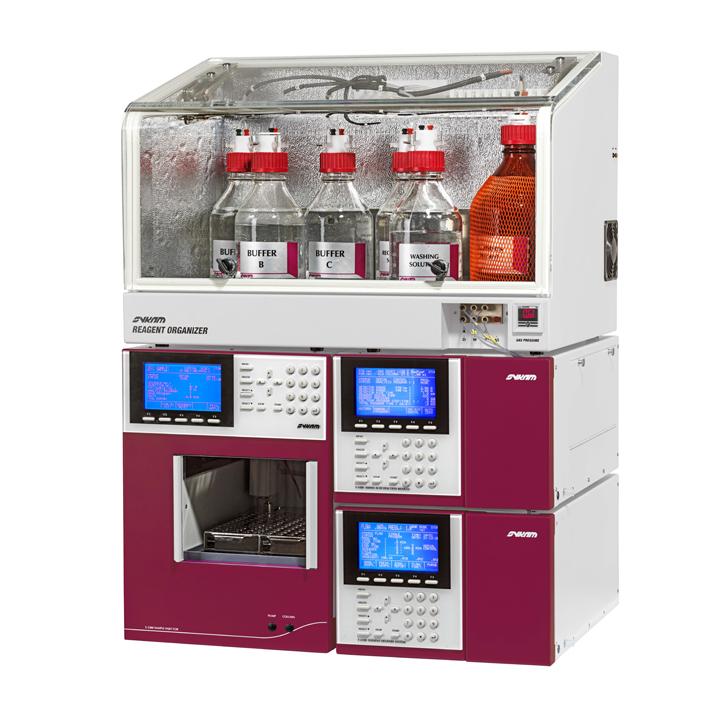 Analytical Equipment
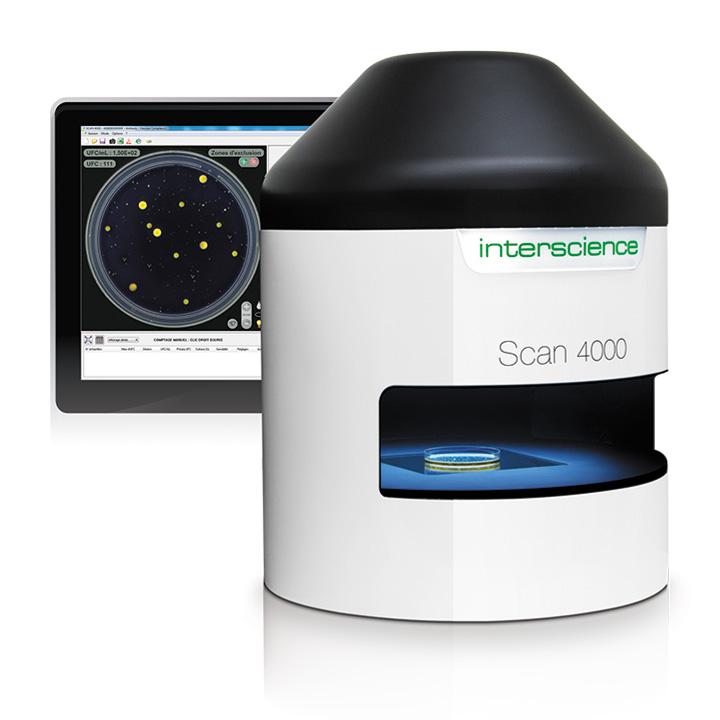 Microbiology Equipment
- Gravimetric Diluters and Sample Weighing Systems
- Mediaprep Automated Media Preparators
- Mediafill Automated Media Distributors
- Manual Media Dispensers
- Lab Blenders / Homogenizers
- Automated Spiral Platers
- Manual Colony Counters
- Automated Colony Counters
- Inhibition Zone Readers
- Automated Incubators and Colony Counters
- Biosafety Cabinets
- Laminar Flow Hoods
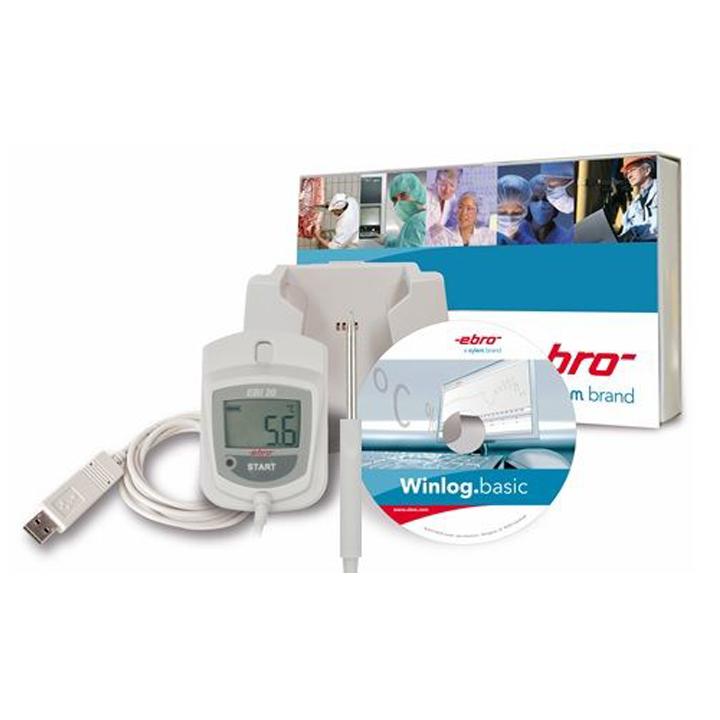 Temperature, Humidity, and Pressure Measuring Instruments
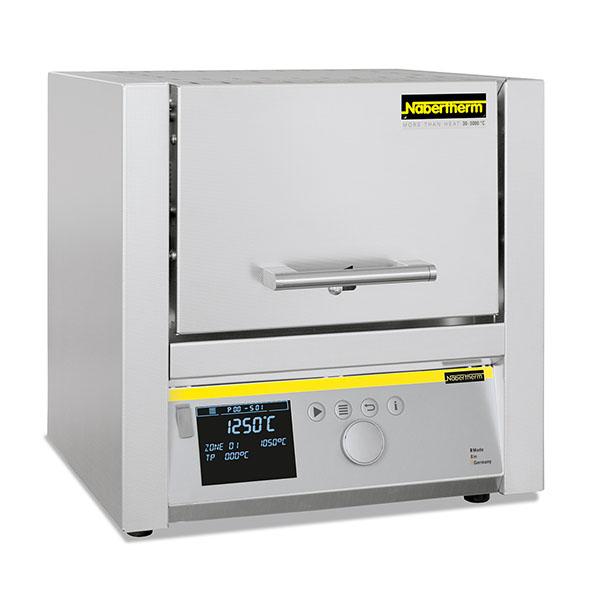 Other Basic Equipment
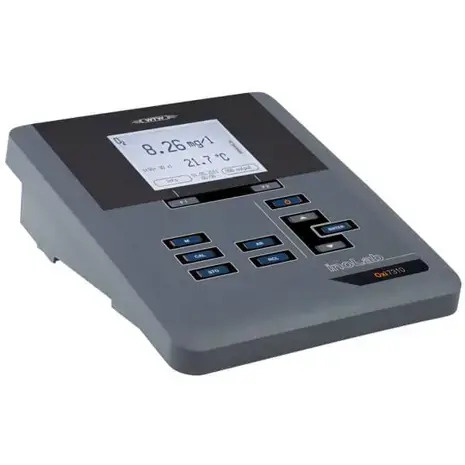 Multiparameter Water Quality Meters
 Balances
 Polarimeters, Refractometers
 Autoclaves
 Biotechnology Equipment and Solutions
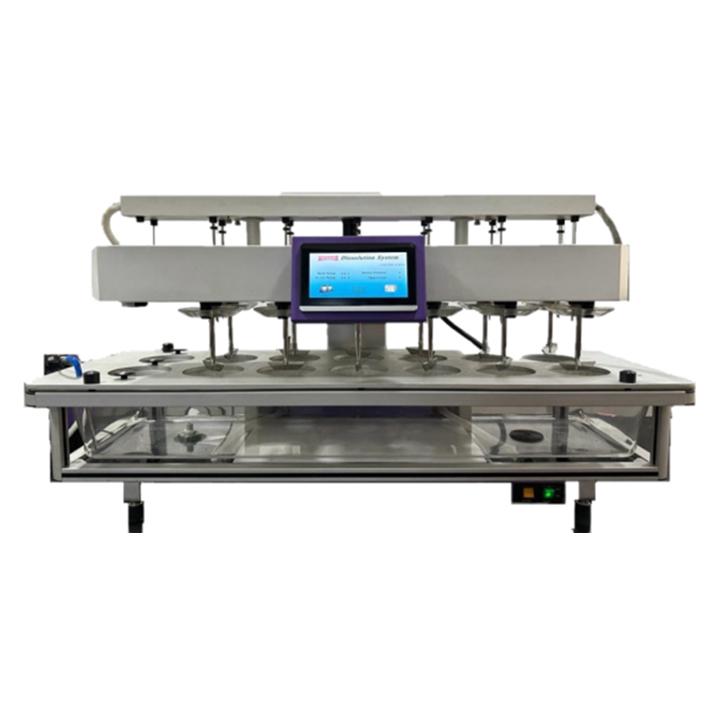 Pharmaceutical Equipment
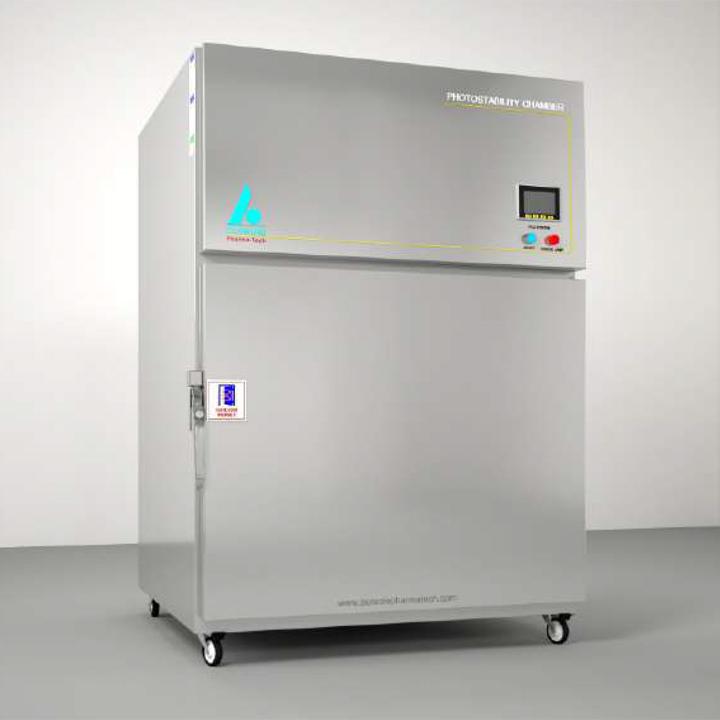 Shelf-life Testing Equipment
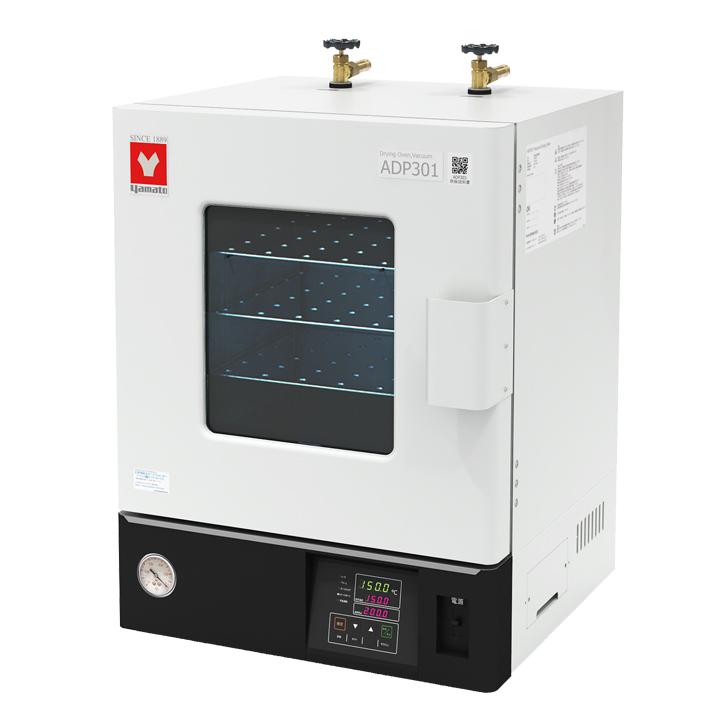 Drying Ovens
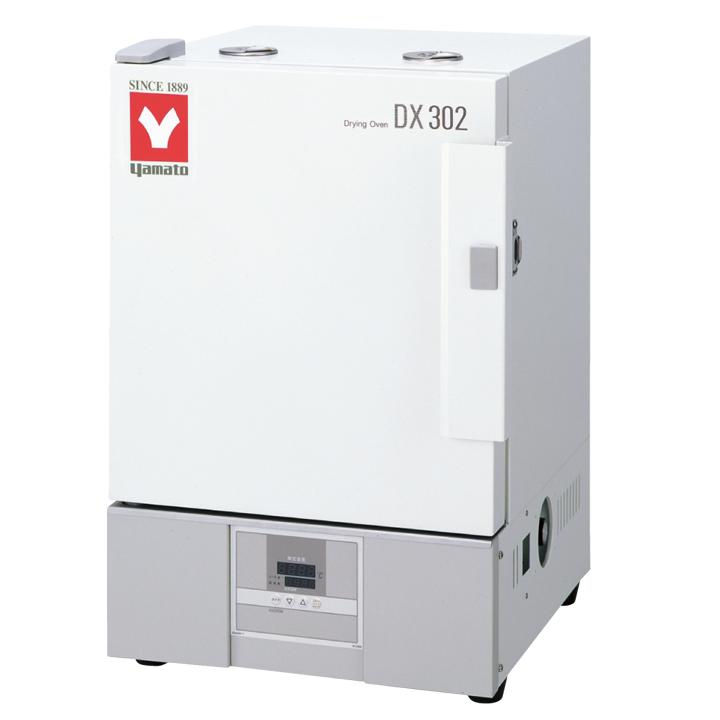 Incubators
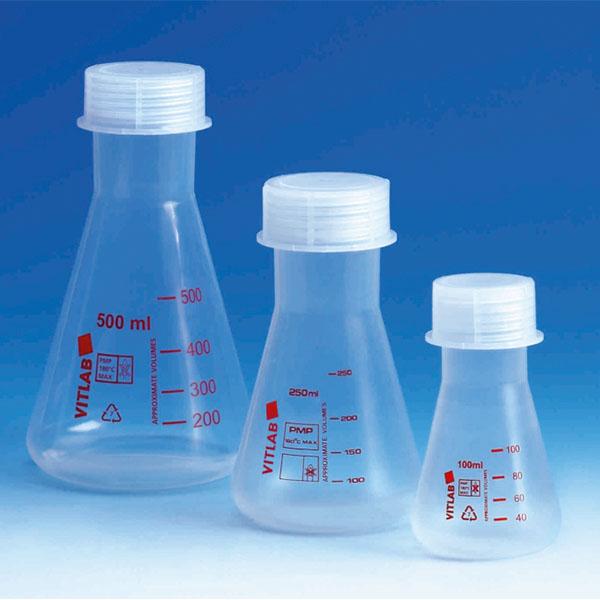 Laboratory Flasks
 Beakers, Measuring Jugs
 Liquid Handling Tools
 Sampling Tools
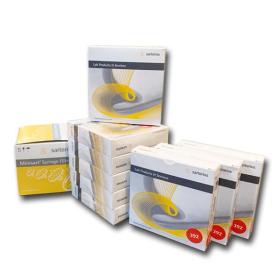 Filtration Tools and Consumables
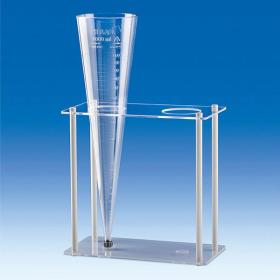 Racks and Stands
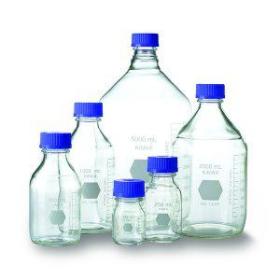 Laboratory Bottles and Vials
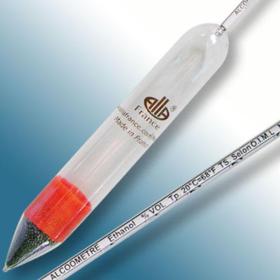 Thermometers, Hydrometers, Baumé Hydrometers, Alcoholmeters
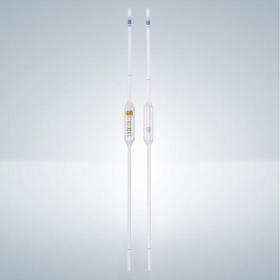 Pipettes
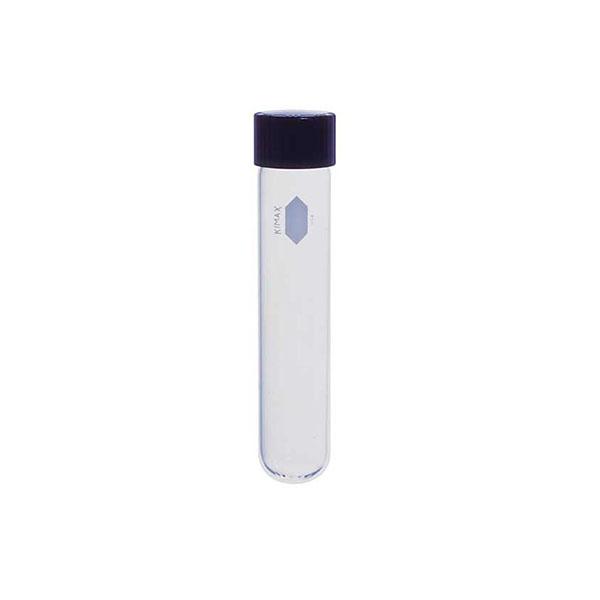 Test tubes
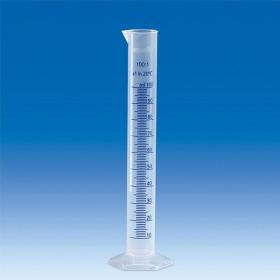 Graduated cylinders
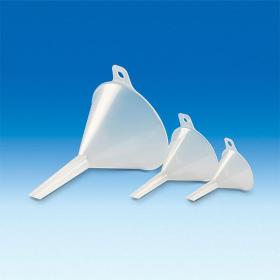 Funnels
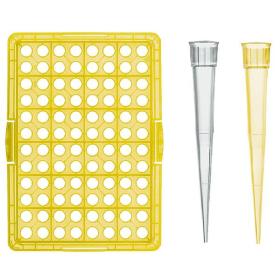 Tips & tip boxes
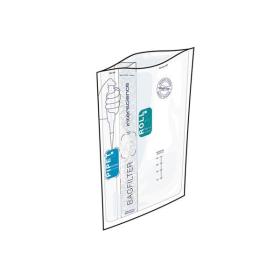 Homogenizer bags
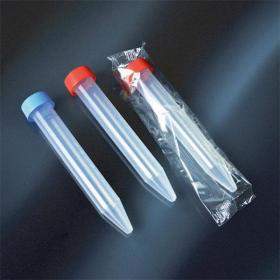 Centrifuge tubes
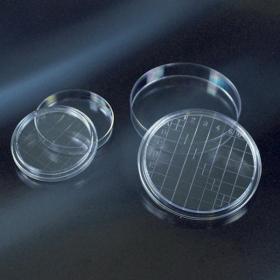 Petri dishes
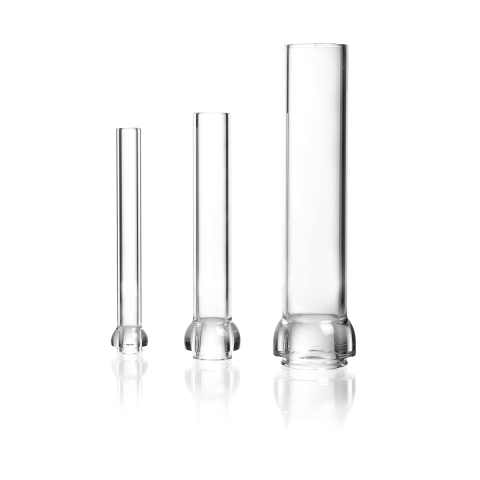 Glass Adapters and Ground Glass Joints
 Others
- Glass capillary tubes
- Glass melting point tubes
- Condensers
- Plastic weighing boats
- Glass stirring rods
- Filtration and separation equipment
- Alcohol burners
- Glass weighing bottles
- Crucibles
- Crucible tongs
- Blender bag openers
- BagClip sealing clips
- Autoclave deodorant capsules
- Magnetic stir bars
- Test tube brushes
- Glass watch glasses
- Glass beads
- Glass wool
- Glass slides
- Plastic buckets
- Stainless steel bucket
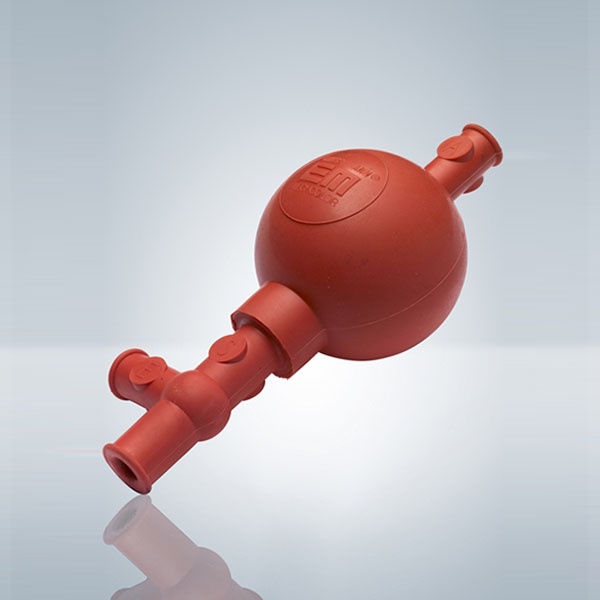
- Rubber bulb
- Inoculation loop
- Sampling rod
- Plastic spoon
- Stainless steel spoon
- Plastic tweezers
- Glass burette
- Glass slide
- Glass filter crucible

Plastic bottles
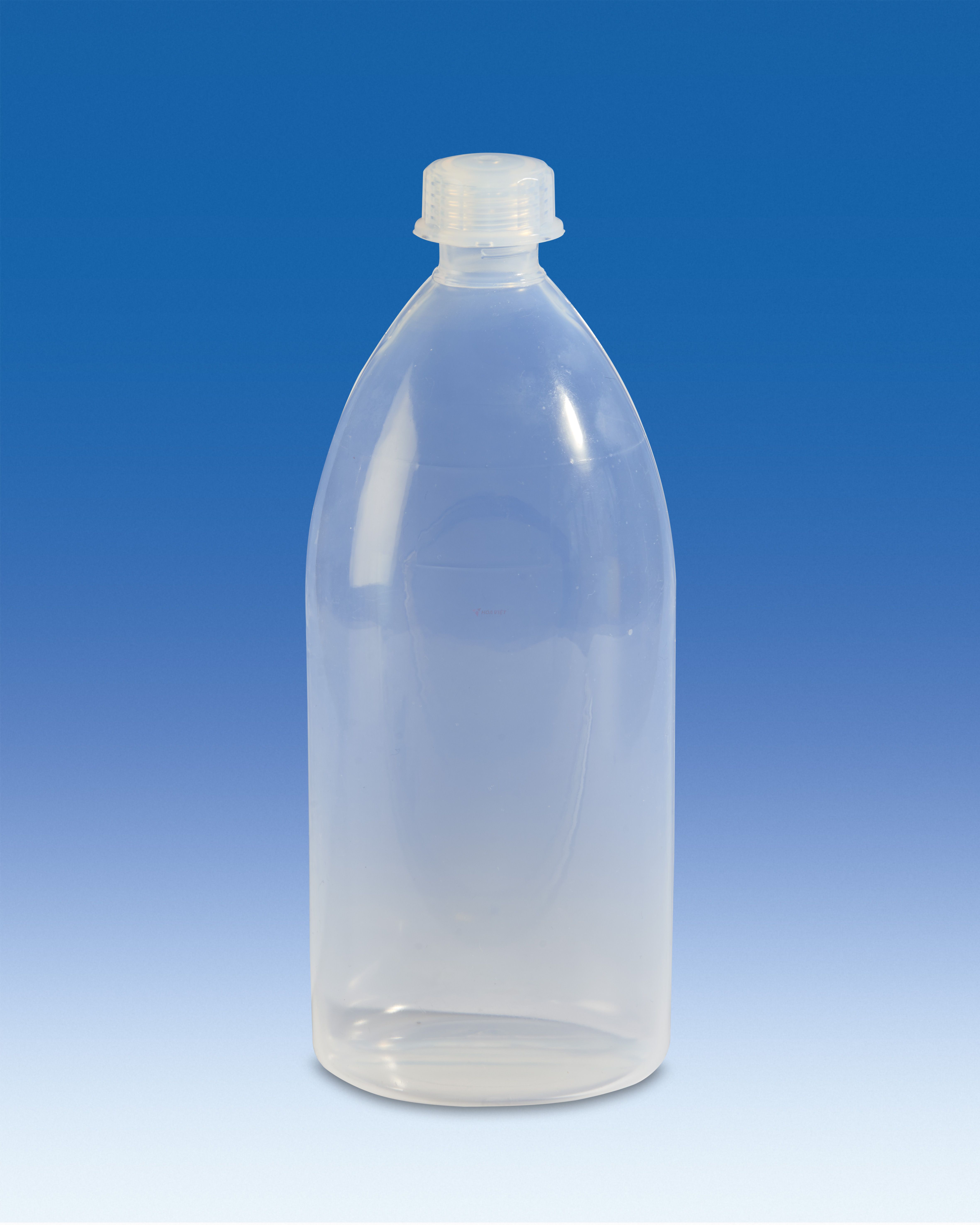
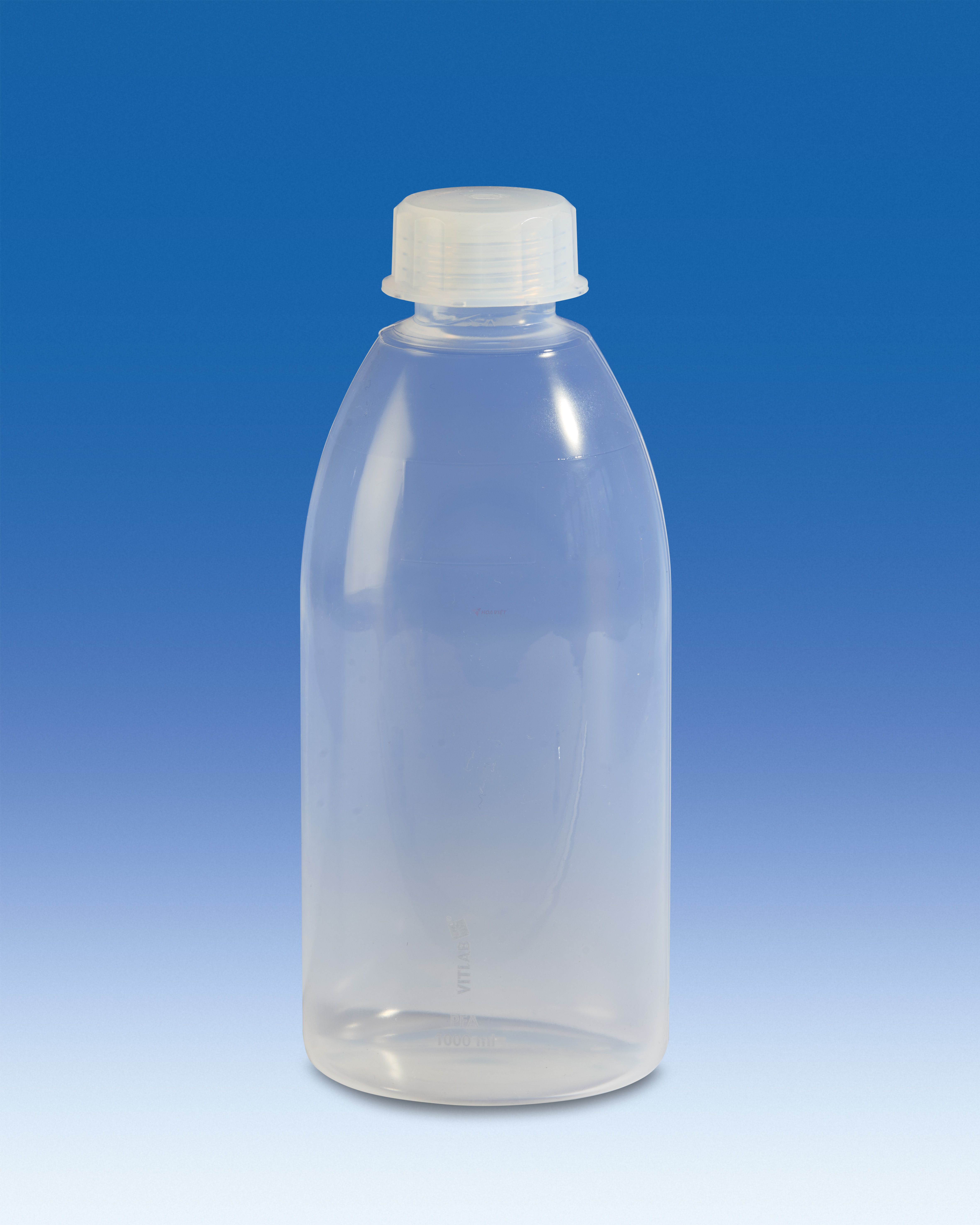
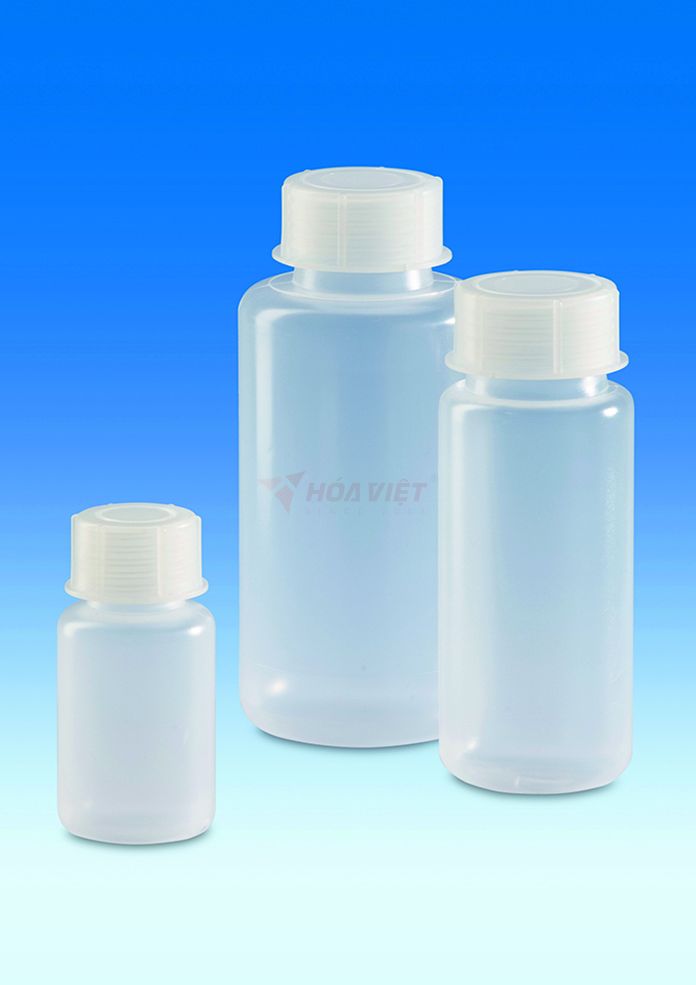
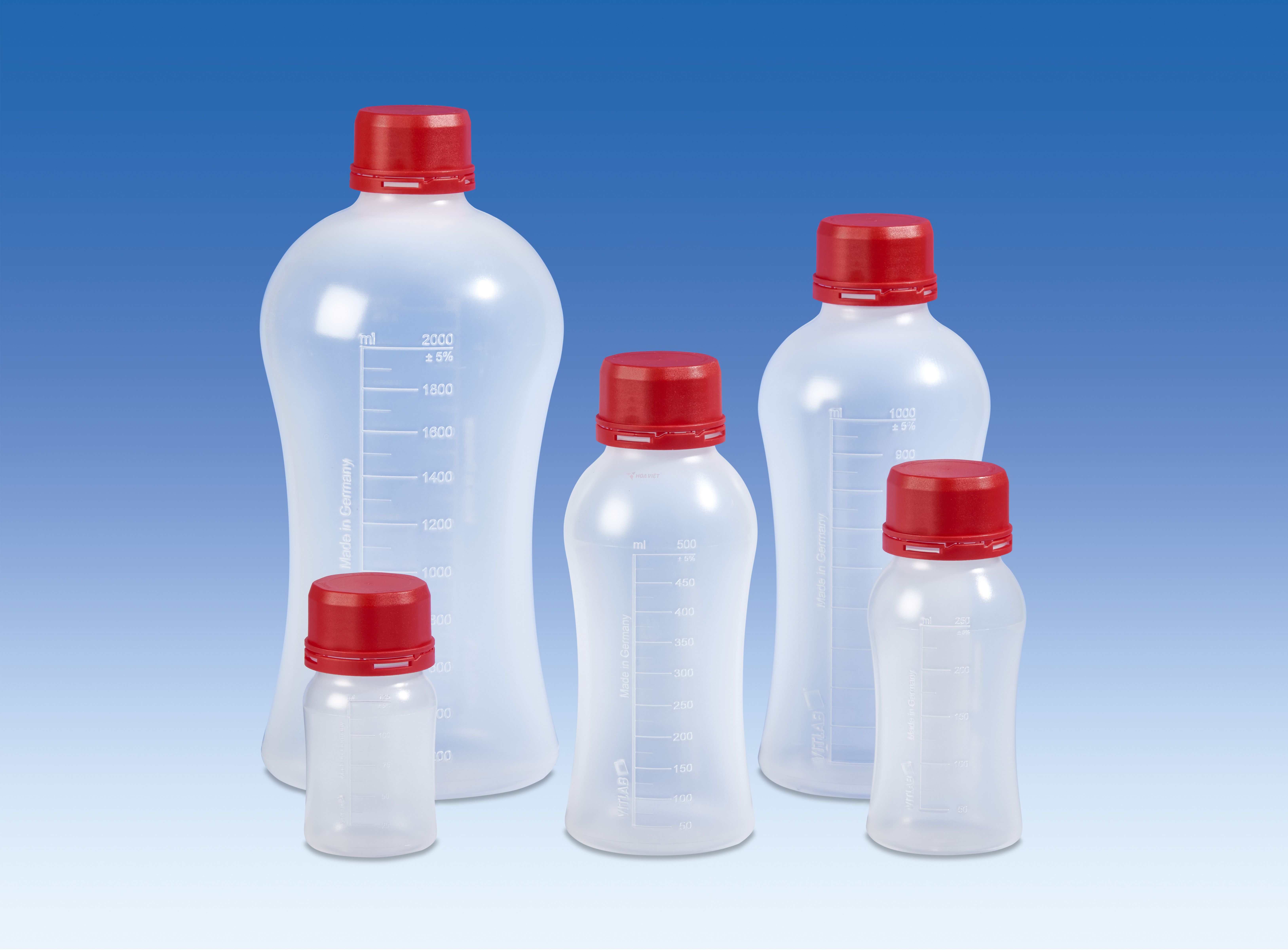
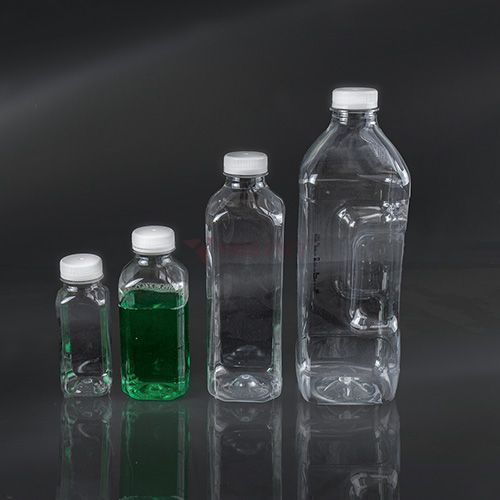
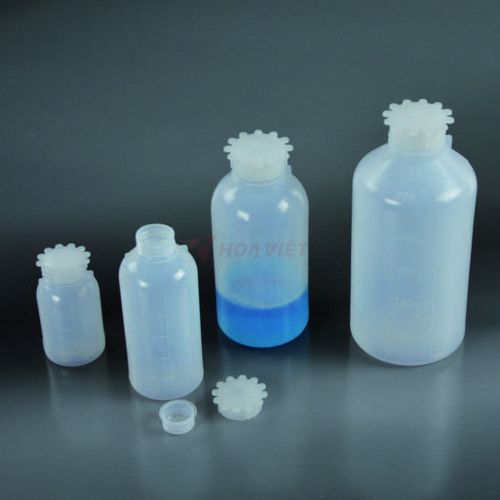
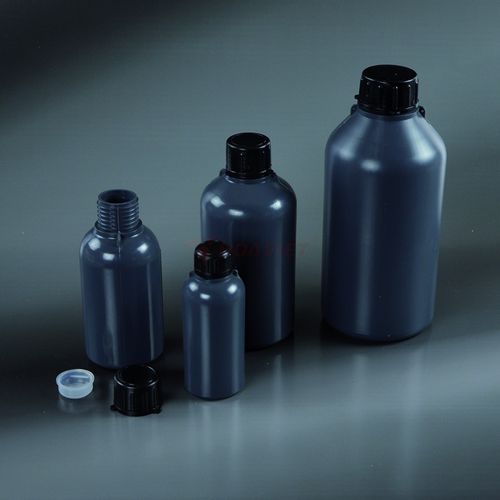
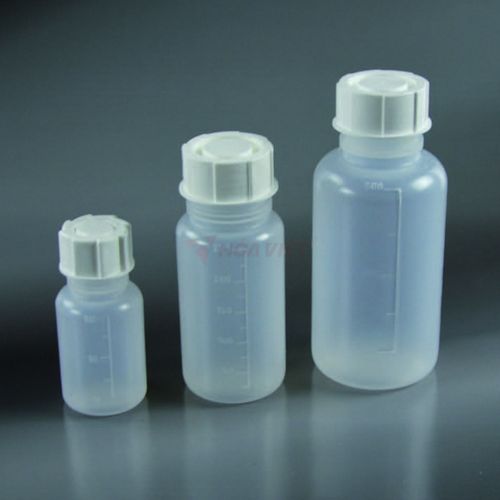
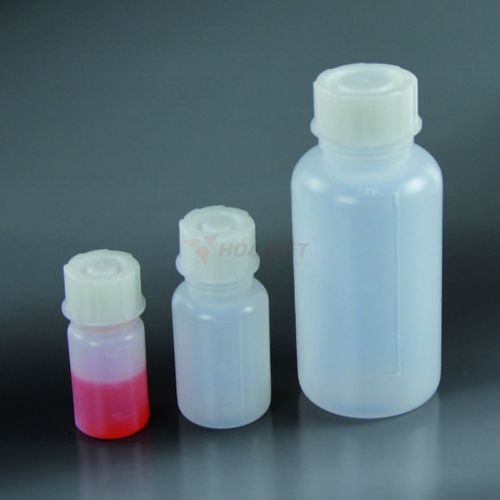
Introduction to Plastic bottles
Laboratory plastic bottles are specialized containment vessels used for storing, preserving, and transporting chemicals, solvents, and liquid or solid samples. This product line helps laboratories minimize the risk of breakage during handling while ensuring operator safety when working with corrosive solutions.
When choosing plastic bottles, users should consider the chemical compatibility of materials such as PE, PP, PFA, or PET. The PFA bottle line is suitable for trace analysis solvents and strong oxidizing agents; PP bottles withstand autoclaving at 121 °C (2 bar) according to DIN EN 285; while amber PE bottles are specialized for protecting light-sensitive substances. Depending on sample characteristics, laboratories can choose narrow-mouth, wide-mouth, or VITgrip designs with capacities of 50ml, 125ml, 250ml, and 500ml from brands such as Aptaca (Italy) and Vitlab (Germany).
When should PFA plastic bottles be used instead of PE or PP?
PFA bottles are made from fluorinated polymers and are particularly suitable for the long-term storage of high-purity oxidizers, acids, bases, hydrocarbons, and solvents in trace analysis. For general chemicals or routine sample storage applications, PE or PP plastic bottles are more cost-effective alternatives.
Can laboratory plastic bottles be autoclaved?
Only plastic bottles made from polypropylene (PP) are autoclavable at 121 °C and 2 bar pressure in accordance with DIN EN 285 standards. When autoclaving, operators must loosen the bottle cap to prevent deformation caused by pressure differentials.
Which brands of plastic bottles does Hoa Viet supply?
Hoa Viet currently supplies laboratory plastic bottle lines from two manufacturers: Aptaca (Italy) and Vitlab (Germany). Customers can contact Hoa Viet for detailed technical advice and to request a quote.
Should I choose wide-mouth or narrow-mouth plastic bottles?
Narrow-mouth plastic bottles are suitable for storing and pouring liquids, helping to minimize the risk of spills or evaporation. Conversely, wide-mouth plastic bottles are more convenient for loading and retrieving powdered, granular, or viscous samples, or for cleaning the inside of the bottle.
