
 All
 SYKAM - Germany
 Systec - Germany
 Atago - Japan
 Sartorius - Germany
 Shimadzu - Japan
 Binder - Germany
 Interscience - France
 Haier - China
 Rocker - Taiwan
 Hirschmann - Germany
 Newstar - China
 Jet Biofil - China
 Nabertherm - Germany
 Vitlab - Germany
 Alla - France
 AT-OS - Italy
 Jipo - Czech Republic
 ALP - Japan
 Aptaca - Italy
 Assistent - Germany
 Yamato - Japan
 Burkle - Germany
 Aureole - India
 Duran - Germany
 Azlon - Anh
 Kimble-DWK - USA
 Julabo - Germany
 B+S - Anh
 SI Analytics - Germany
 WTW - Germany
 EBRO - Germany
 Sturdy - Taiwan
 PTI - USA
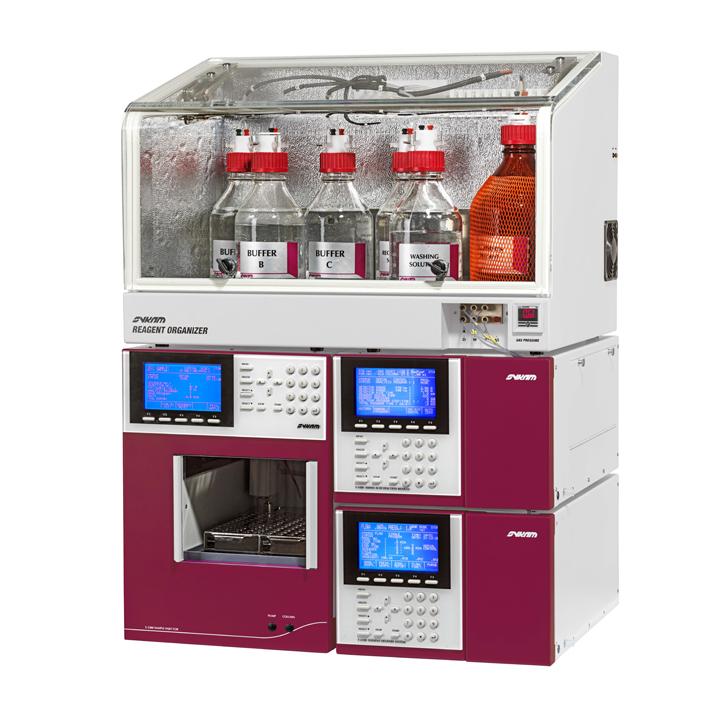 Analytical Equipment
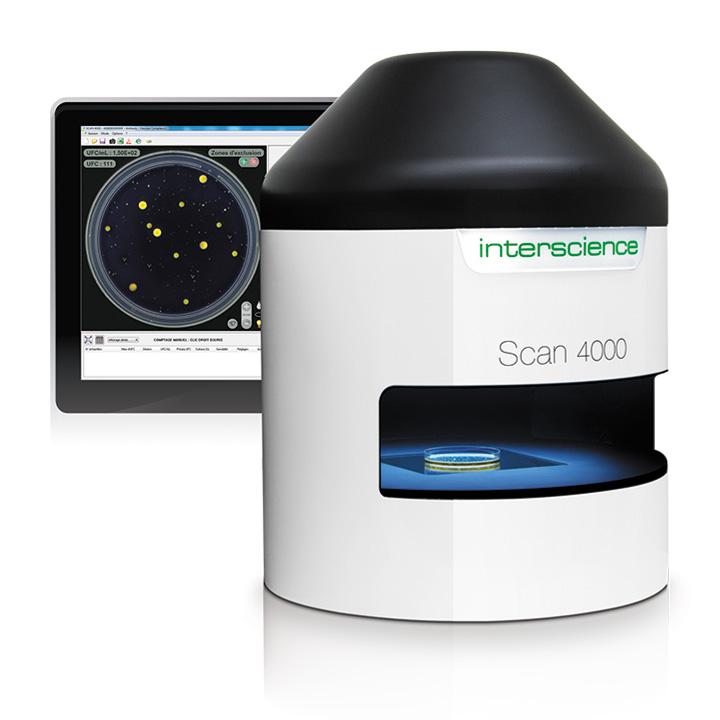 Microbiology Equipment
- Gravimetric Diluters and Sample Weighing Systems
- Mediaprep Automated Media Preparators
- Mediafill Automated Media Distributors
- Manual Media Dispensers
- Lab Blenders / Homogenizers
- Automated Spiral Platers
- Manual Colony Counters
- Automated Colony Counters
- Inhibition Zone Readers
- Automated Incubators and Colony Counters
- Biosafety Cabinets
- Laminar Flow Hoods
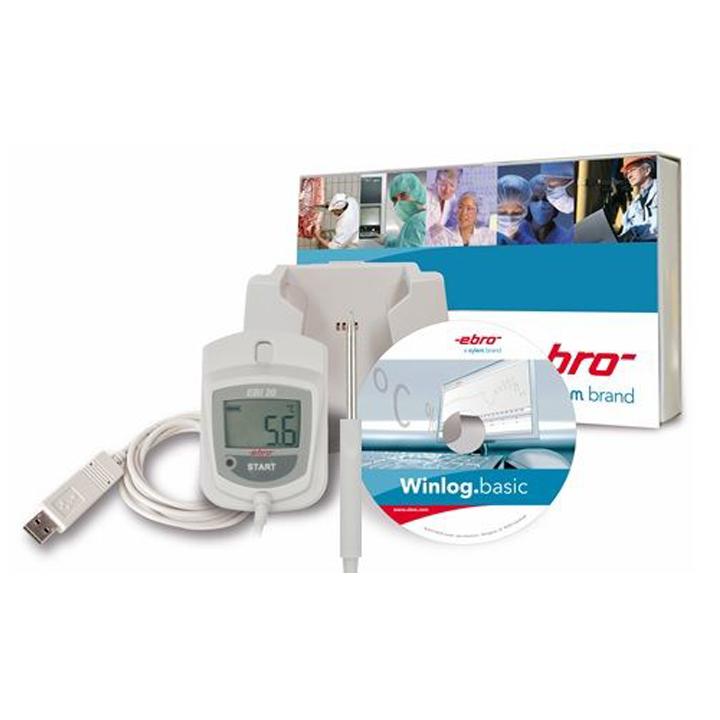 Temperature, Humidity, and Pressure Measuring Instruments
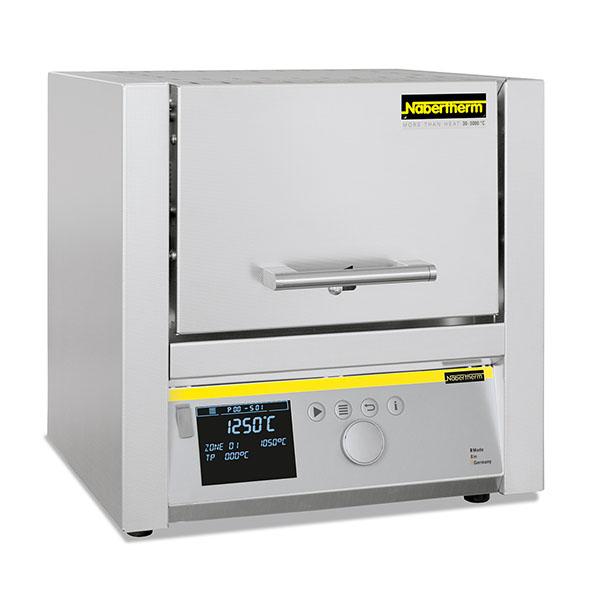 Other Basic Equipment
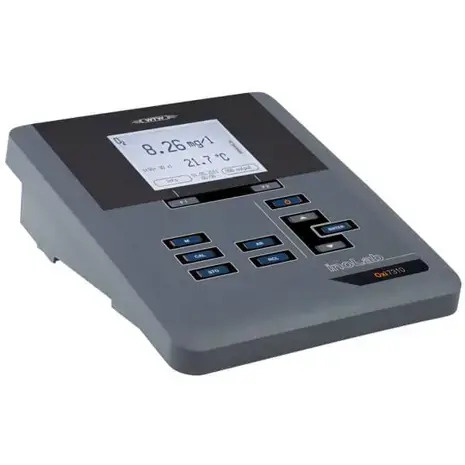 Multiparameter Water Quality Meters
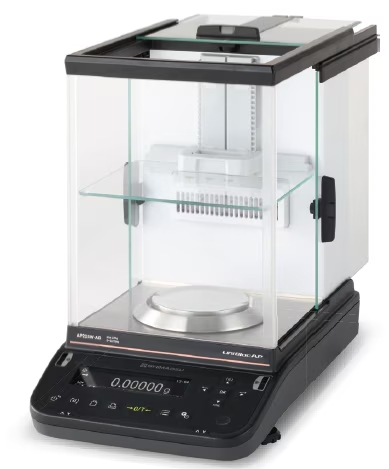 Balances
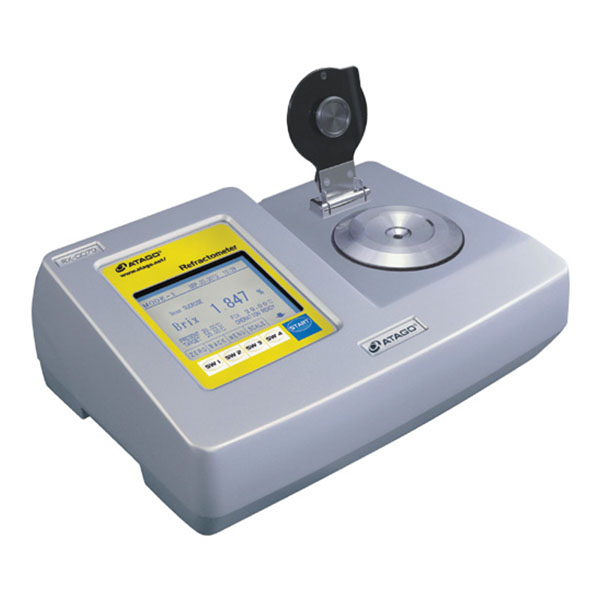 Polarimeters, Refractometers
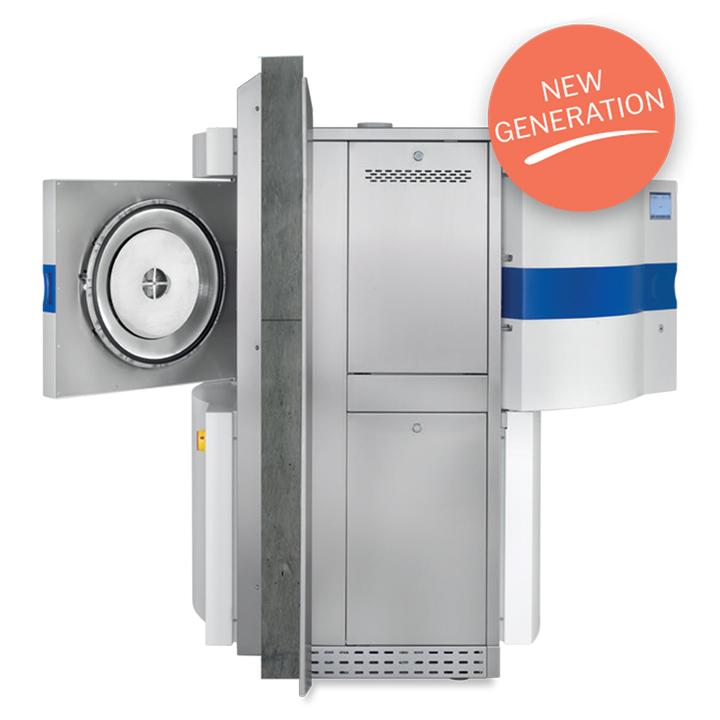 Autoclaves
 Biotechnology Equipment and Solutions
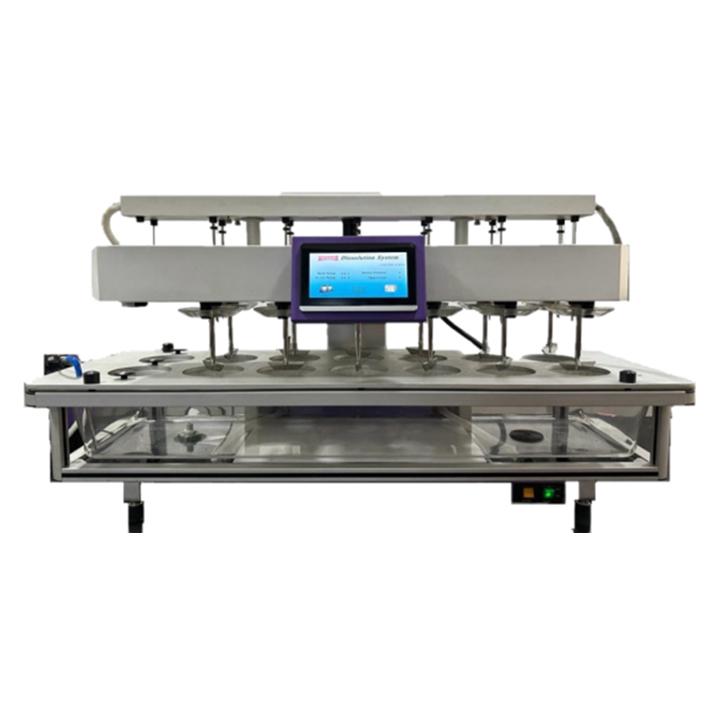 Pharmaceutical Equipment
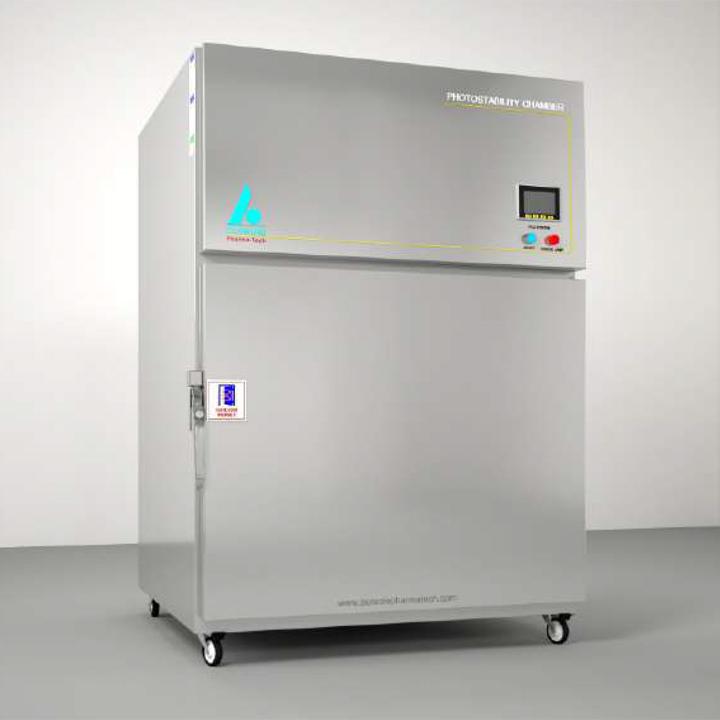 Shelf-life Testing Equipment
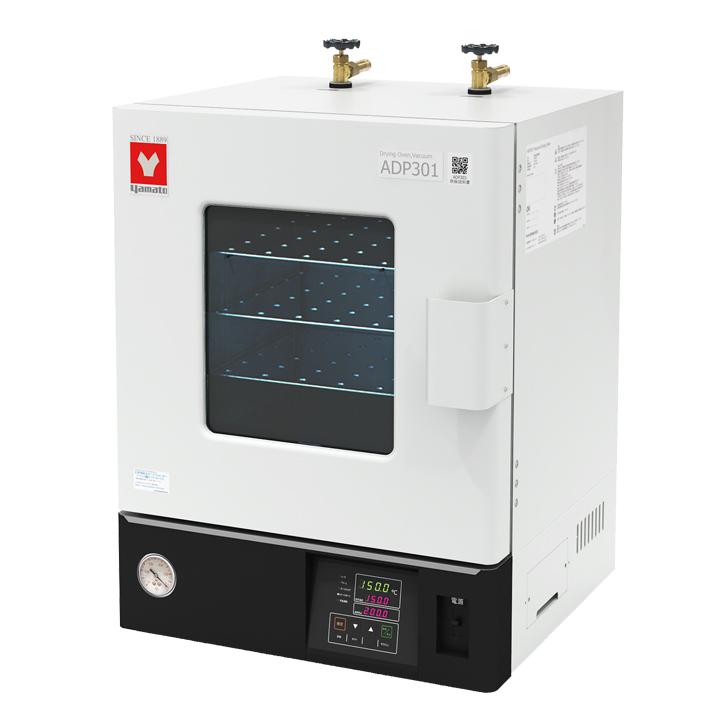 Drying Ovens
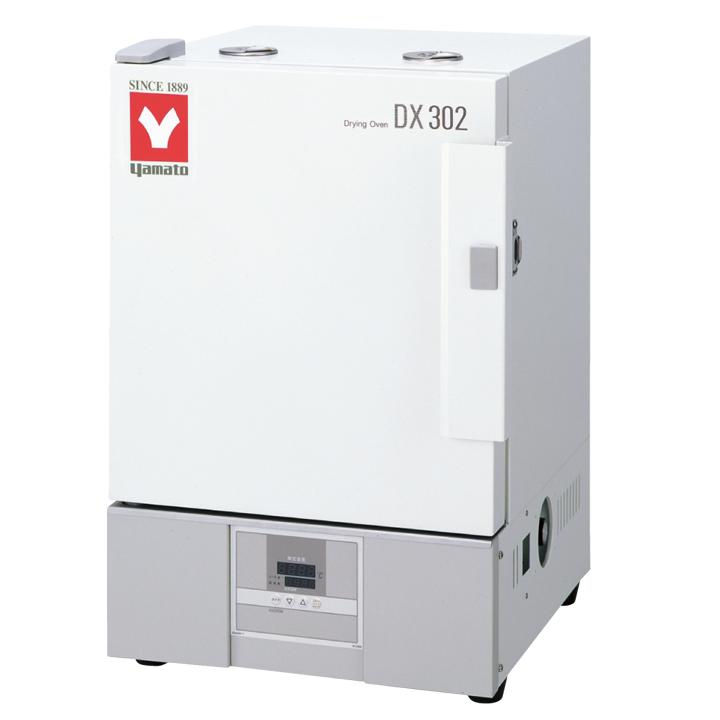 Incubators
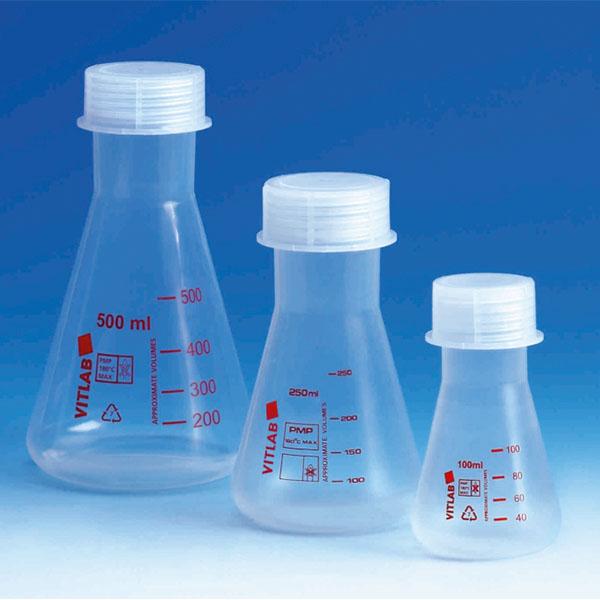 Laboratory Flasks
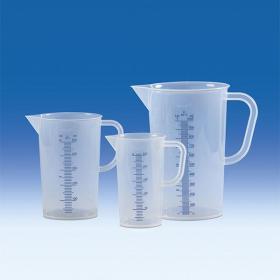 Beakers, Measuring Jugs
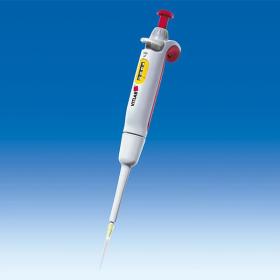 Liquid Handling Tools
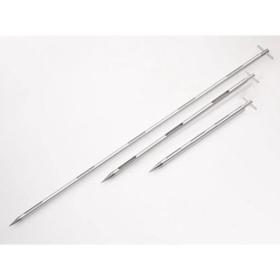 Sampling Tools
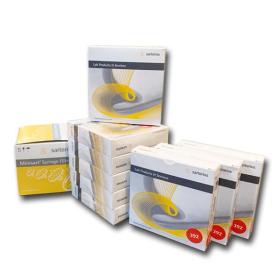 Filtration Tools and Consumables
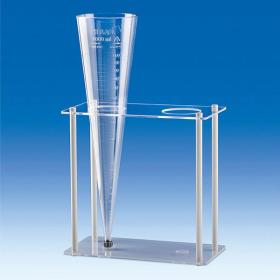 Racks and Stands
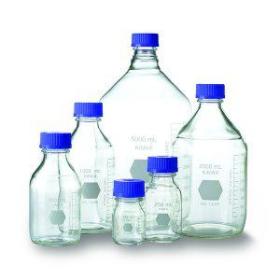 Laboratory Bottles and Vials
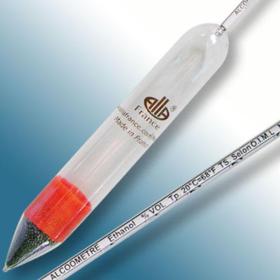 Thermometers, Hydrometers, Baumé Hydrometers, Alcoholmeters
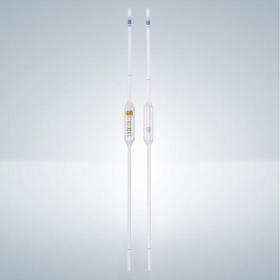 Pipettes
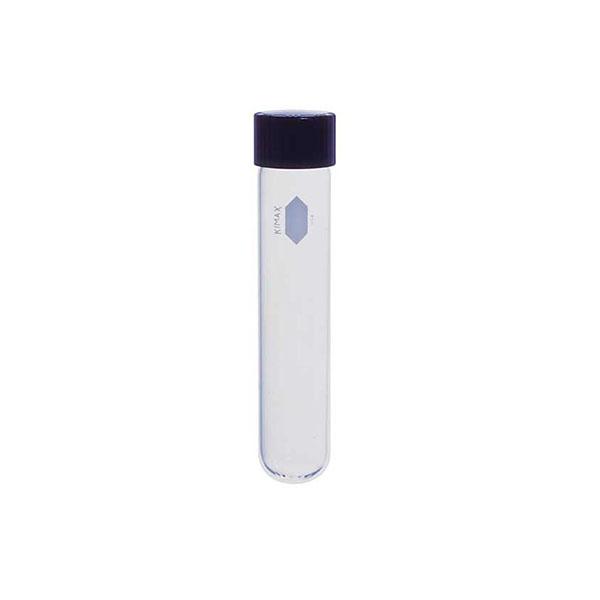 Test tubes
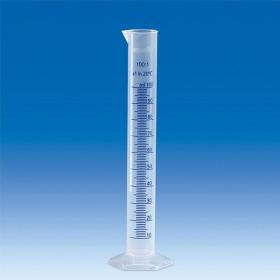 Graduated cylinders
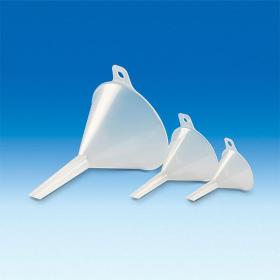 Funnels
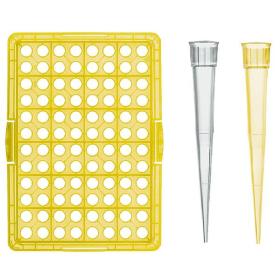 Tips & tip boxes
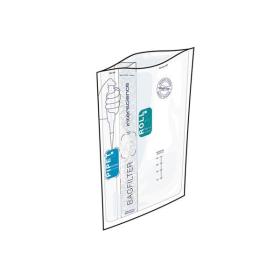 Homogenizer bags
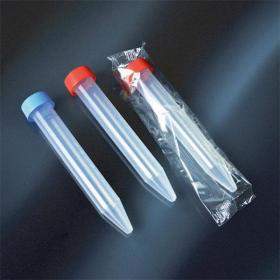 Centrifuge tubes
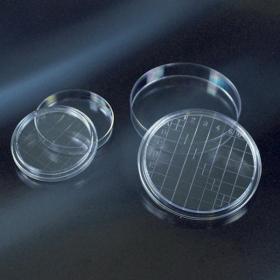 Petri dishes
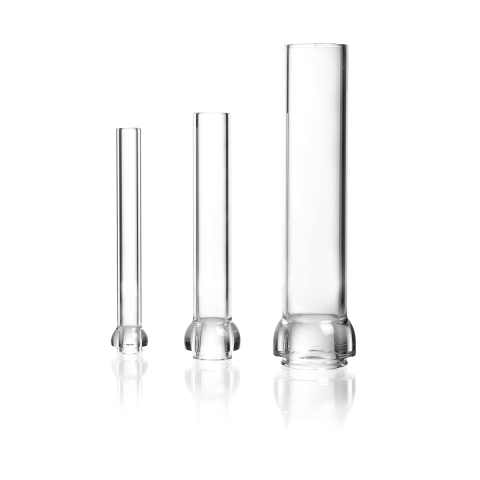 Glass Adapters and Ground Glass Joints
 Others
- Glass capillary tubes
- Glass melting point tubes
- Condensers
- Plastic weighing boats
- Glass stirring rods
- Filtration and separation equipment
- Alcohol burners
- Glass weighing bottles
- Crucibles
- Crucible tongs
- Blender bag openers
- BagClip sealing clips
- Autoclave deodorant capsules
- Magnetic stir bars
- Test tube brushes
- Glass watch glasses
- Glass beads
- Glass wool
- Glass slides
- Plastic buckets
- Stainless steel bucket
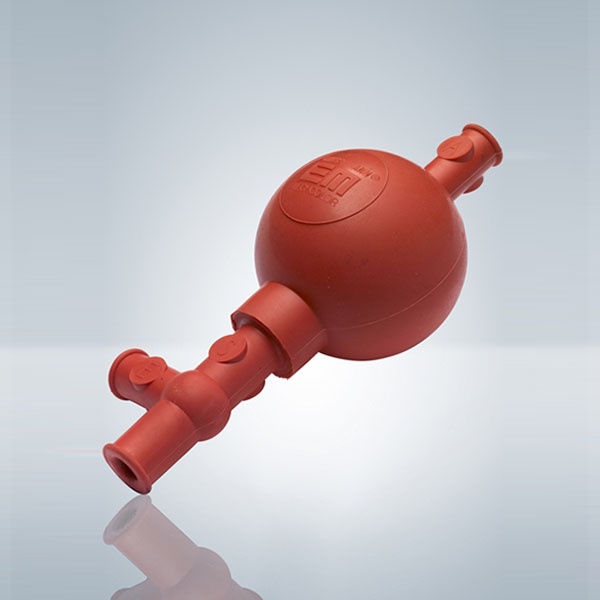
- Rubber bulb
- Inoculation loop
- Sampling rod
- Plastic spoon
- Stainless steel spoon
- Plastic tweezers
- Glass burette
- Glass slide
- Glass filter crucible
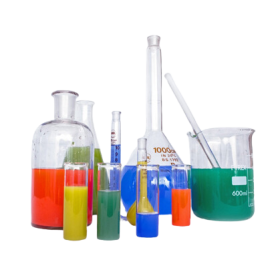

Glass round bottom flask
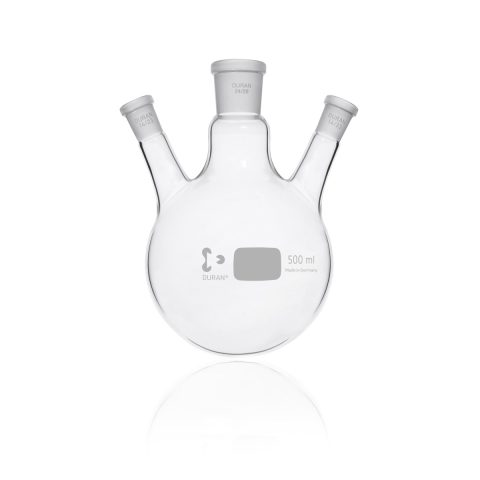
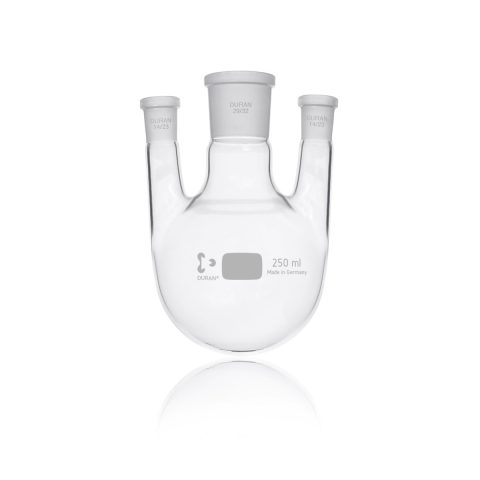
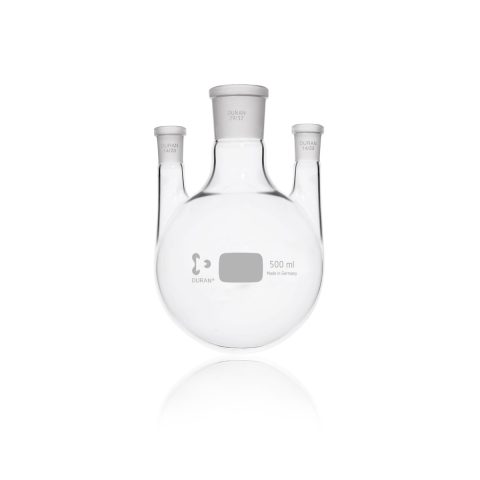
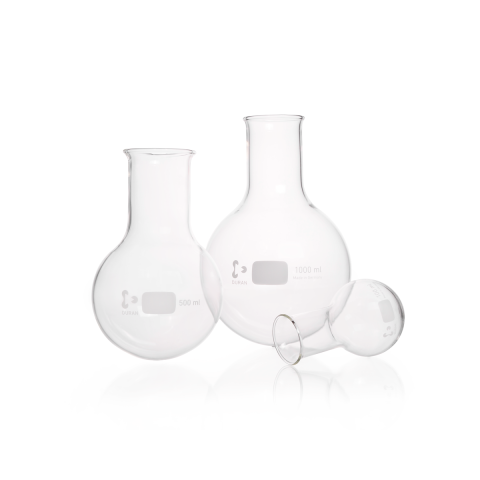
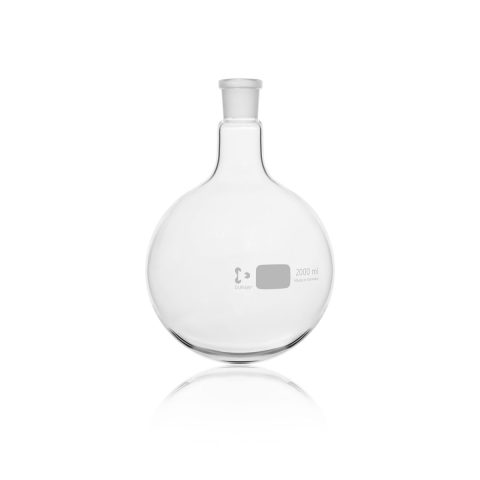
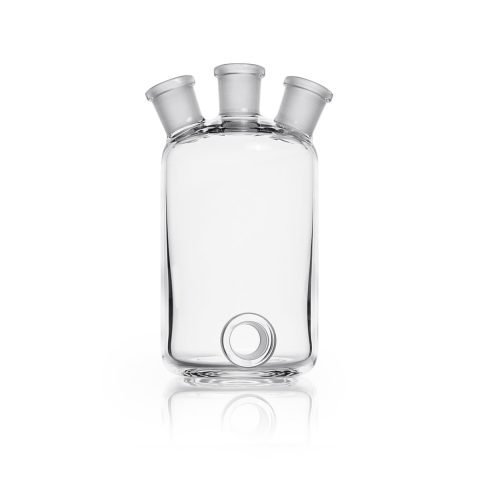
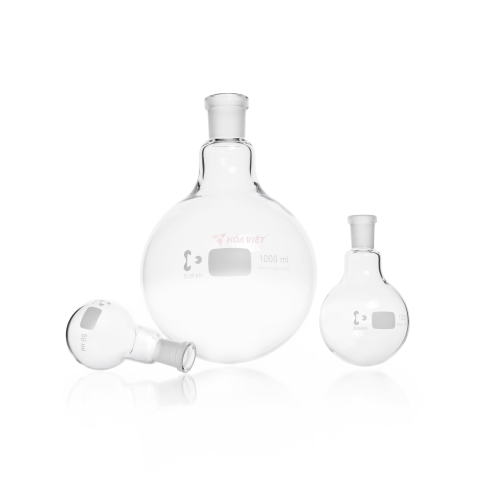
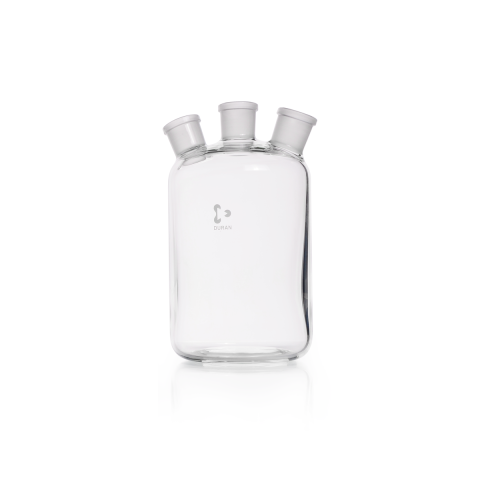
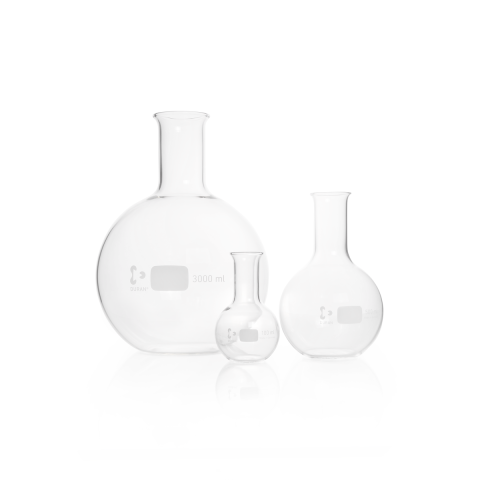
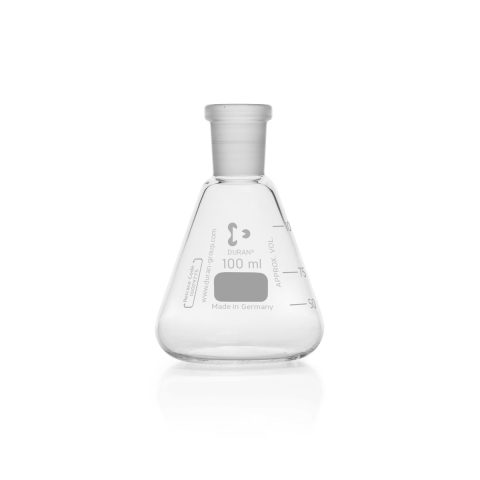
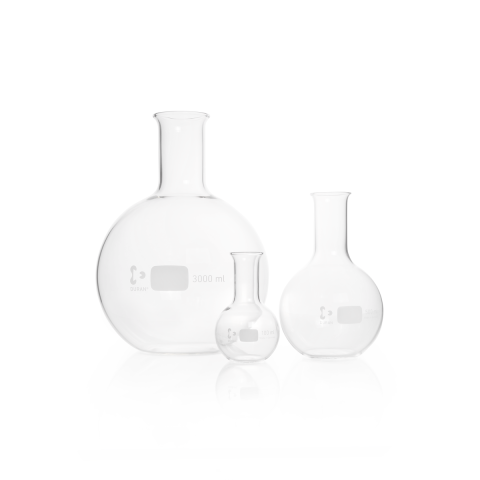
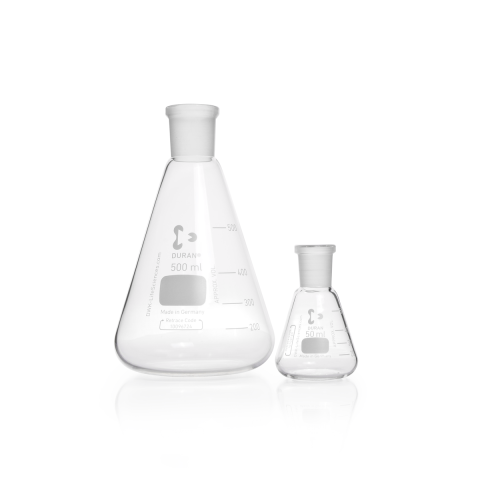
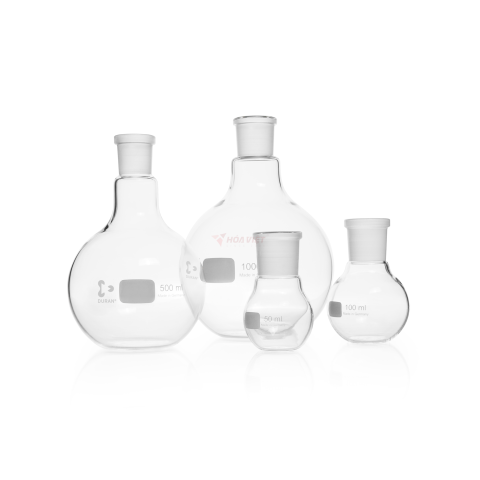
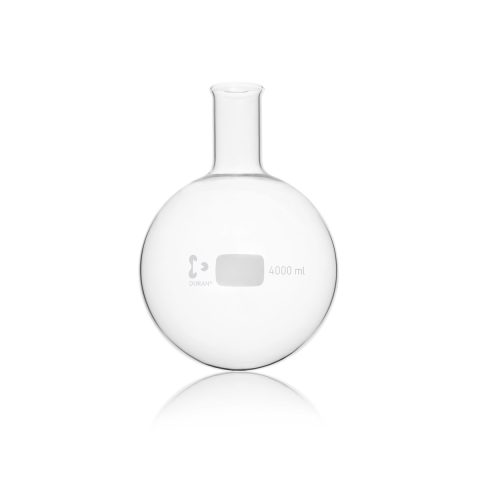
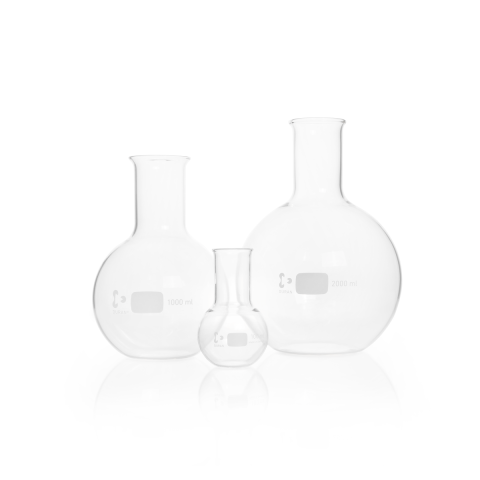
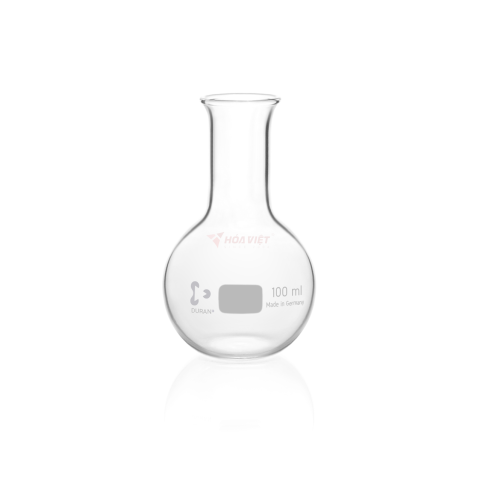
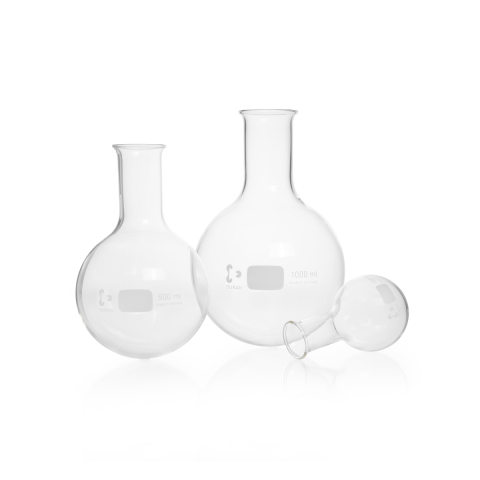
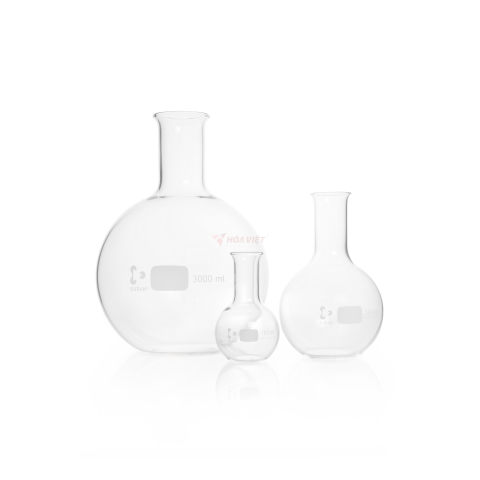
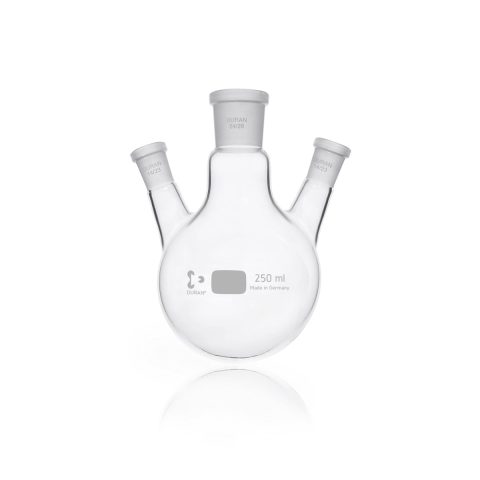
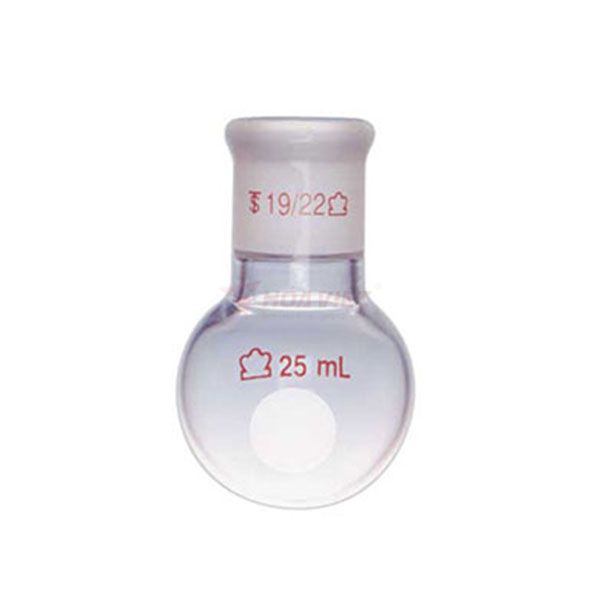
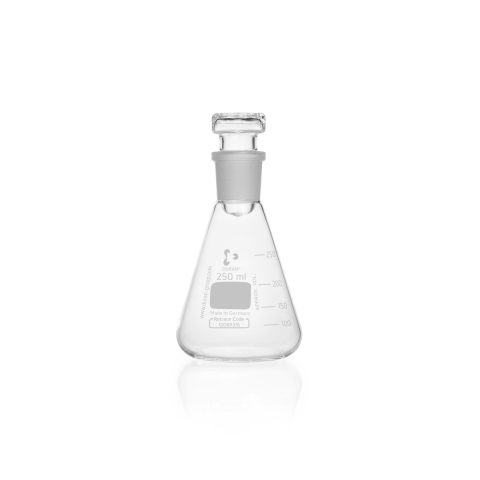
Introduction to Glass round bottom flask
Glass boiling flasks are laboratory glassware specialized for heating reactions, distillation, chemical synthesis, and refluxing solutions. Manufactured from borosilicate or borosilicate 3.3 glass, the product offers chemical resistance, heat resistance, and thermal shock resistance during operation.
When choosing glass boiling flasks, users should specify a round-bottom design for even heat distribution during heating, or a flat-bottom design to allow the flask to stand stably on a flat surface without a support. In addition, neck configurations including narrow neck with beaded rim, ground joint NS 24/29, or 2-neck type, along with capacities of 10ml, 25ml, 50ml, 100ml, and 10000ml, will meet specific analytical procedures. Hoa Viet currently supplies boiling flask lines from manufacturers including Duran (Germany), Assistent (Germany) complying with DIN ISO 1773 standards, and Kimble-DWK (USA).
Should a round-bottom or flat-bottom flask be chosen for heating applications?
Round-bottom flasks allow heat to distribute evenly across the flask wall, making them ideal for continuous heating or distillation, but they require a support clamp and stand. Meanwhile, flat-bottom flasks can stand stably on a flat surface without a stand, convenient for holding samples and gentle heating on flat surfaces.
What is the function of the NS 24/29 ground joint on a glass boiling flask?
The NS 24/29 ground joint creates an absolutely tight seal with other glass components such as condensers, thermometers, or addition funnels. This design helps minimize chemical vapor leakage into the environment in closed reflux or distillation setups.
Which brands of glass boiling flasks does Hoa Viet supply?
Currently, Hoa Viet supplies glass boiling flask lines from Assistent (Germany), Duran (Germany), and Kimble-DWK (USA). Customers can contact Hoa Viet for advice on selecting the right product for their needs.
What volume options are available in the glass boiling flask catalogue?
The product catalogue currently includes various volumes including 10ml, 25ml, 50ml, 100ml for small-scale experiments and up to 10000ml for large-volume reactions.
