
 All
 SYKAM - Germany
 Systec - Germany
 Atago - Japan
 Sartorius - Germany
 Shimadzu - Japan
 Binder - Germany
 Interscience - France
 Haier - China
 Rocker - Taiwan
 Hirschmann - Germany
 Newstar - China
 Jet Biofil - China
 Nabertherm - Germany
 Vitlab - Germany
 Alla - France
 AT-OS - Italy
 Jipo - Czech Republic
 ALP - Japan
 Aptaca - Italy
 Assistent - Germany
 Yamato - Japan
 Burkle - Germany
 Aureole - India
 Duran - Germany
 Azlon - Anh
 Kimble-DWK - USA
 Julabo - Germany
 B+S - Anh
 SI Analytics - Germany
 WTW - Germany
 EBRO - Germany
 Sturdy - Taiwan
 PTI - USA
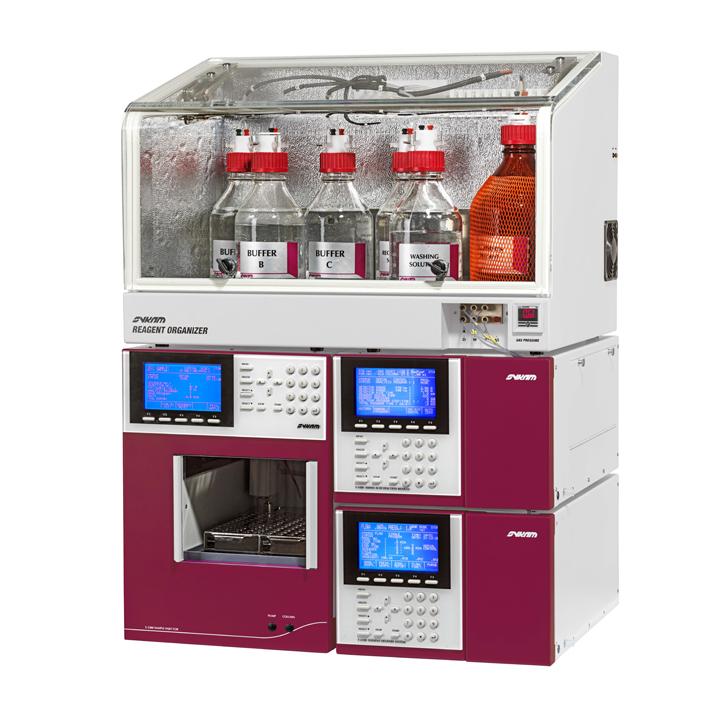 Analytical Equipment
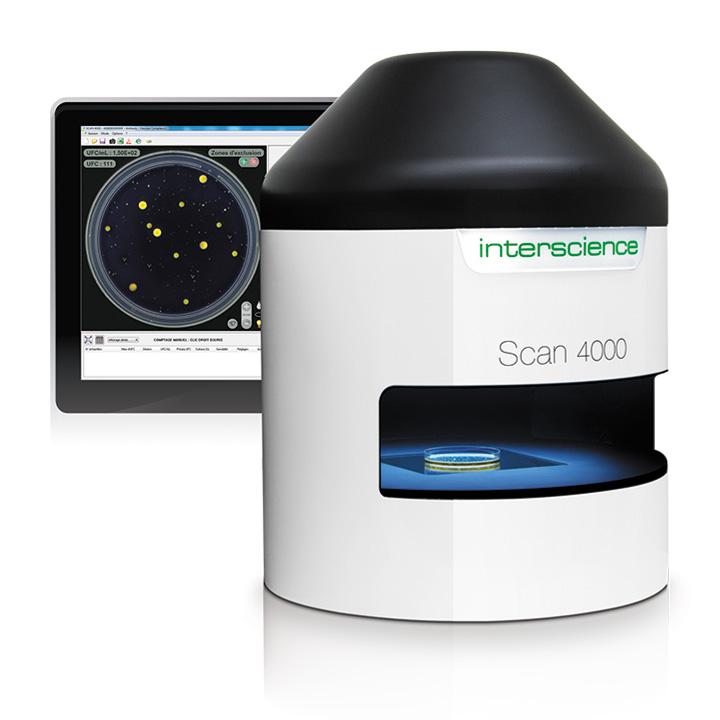 Microbiology Equipment
- Gravimetric Diluters and Sample Weighing Systems
- Mediaprep Automated Media Preparators
- Mediafill Automated Media Distributors
- Manual Media Dispensers
- Lab Blenders / Homogenizers
- Automated Spiral Platers
- Manual Colony Counters
- Automated Colony Counters
- Inhibition Zone Readers
- Automated Incubators and Colony Counters
- Biosafety Cabinets
- Laminar Flow Hoods
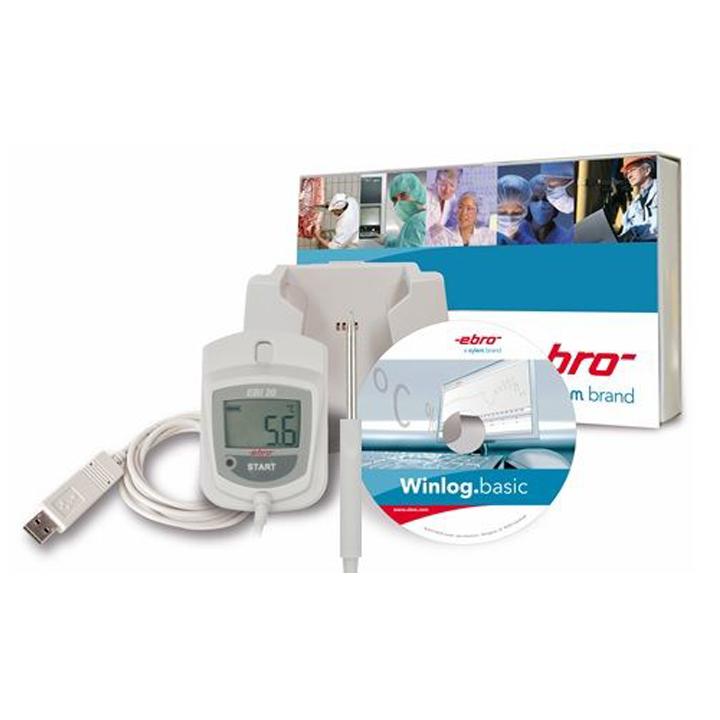 Temperature, Humidity, and Pressure Measuring Instruments
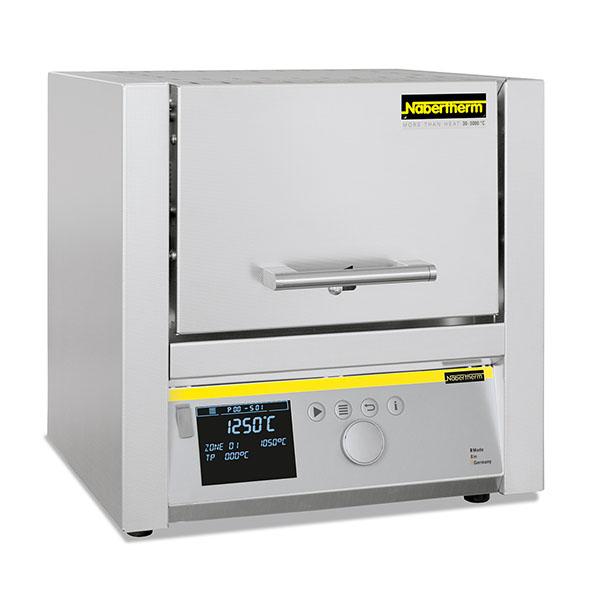 Other Basic Equipment
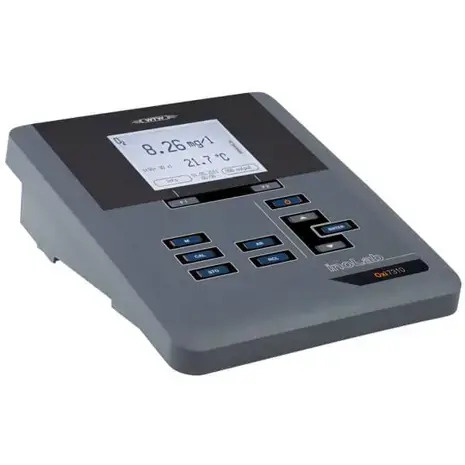 Multiparameter Water Quality Meters
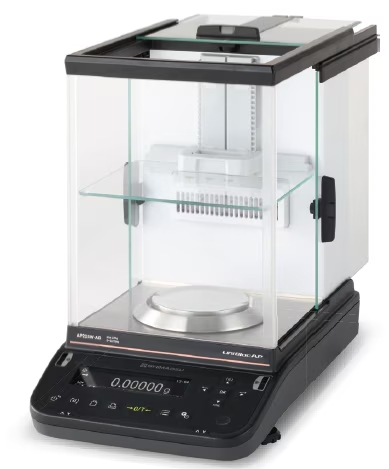 Balances
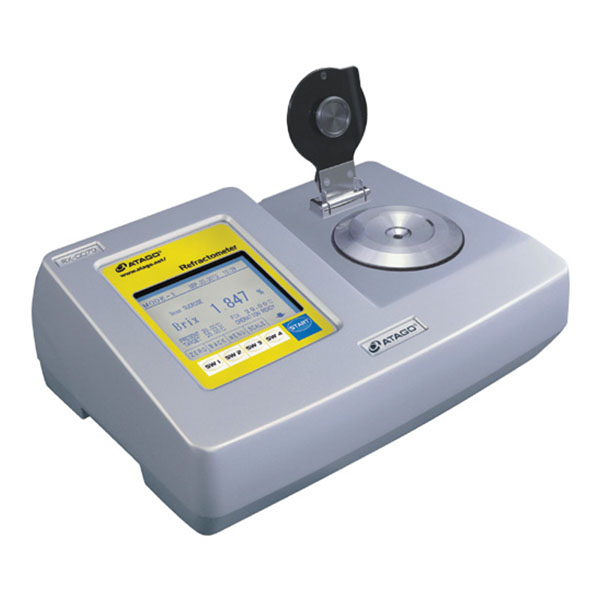 Polarimeters, Refractometers
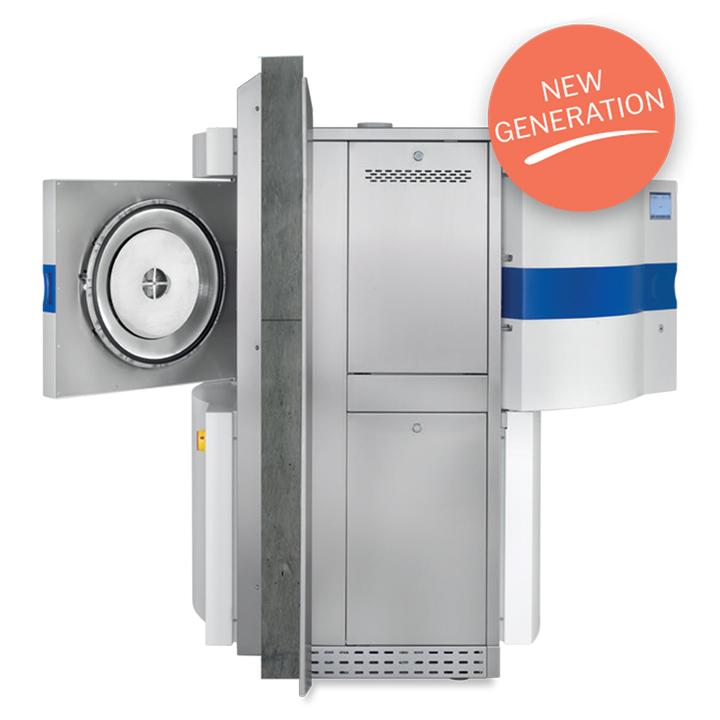 Autoclaves
 Biotechnology Equipment and Solutions
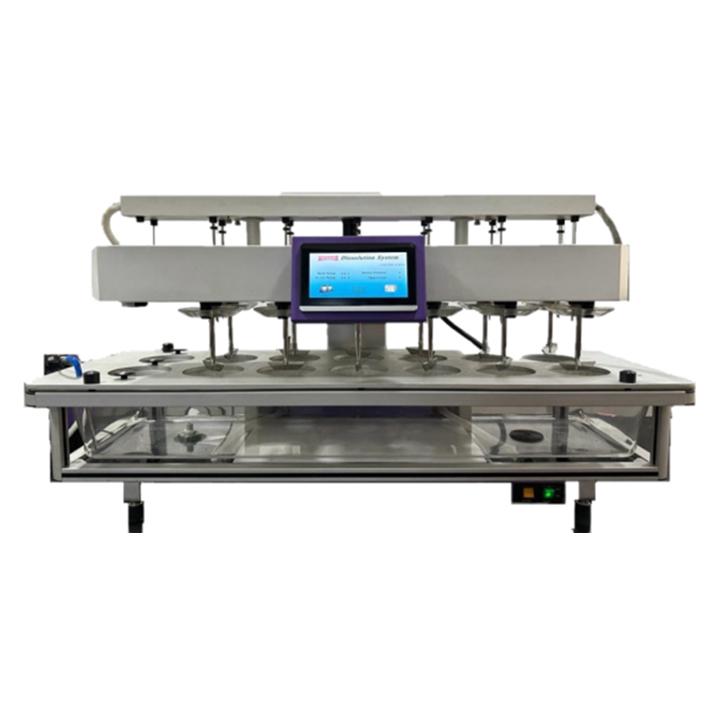 Pharmaceutical Equipment
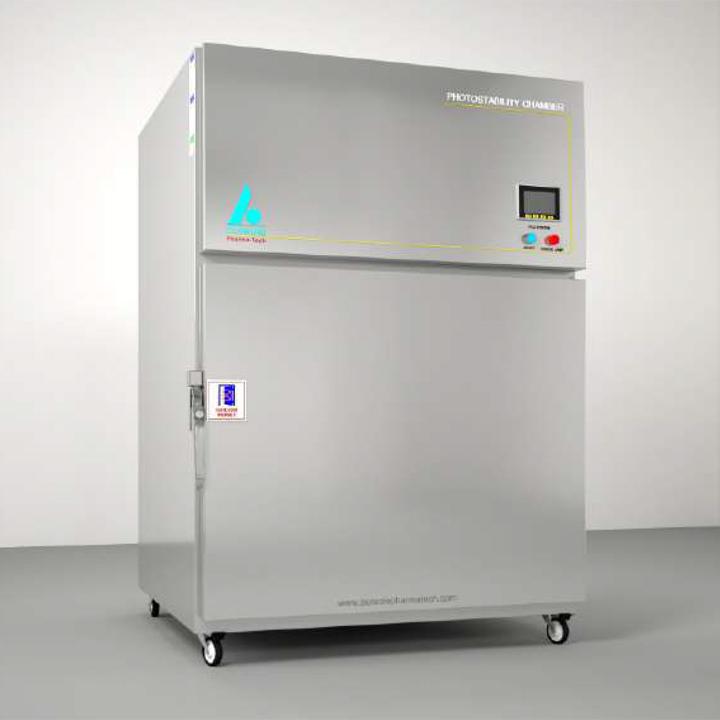 Shelf-life Testing Equipment
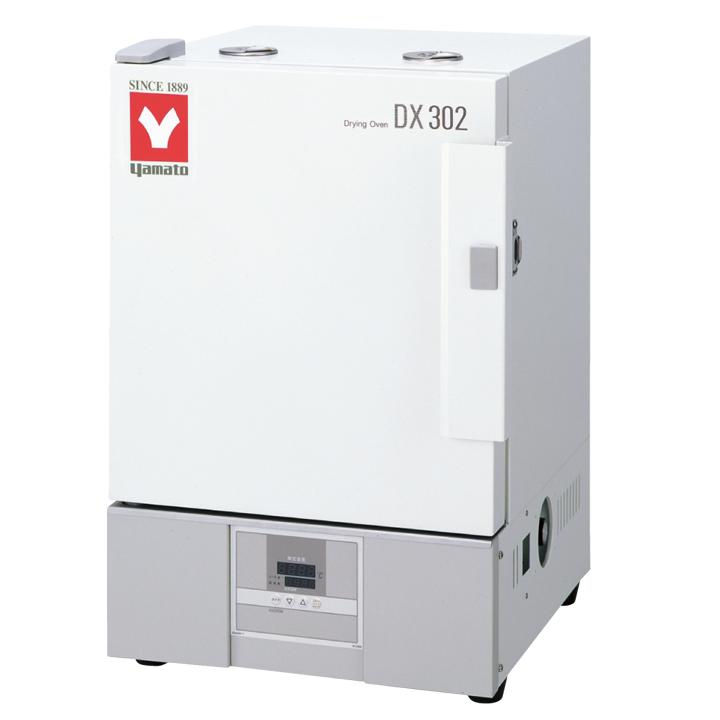
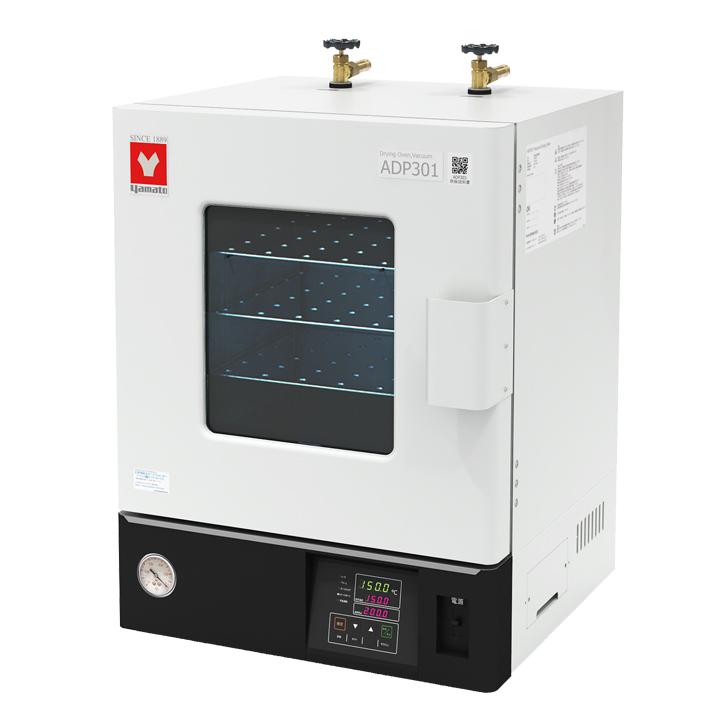 Drying Ovens
 Incubators
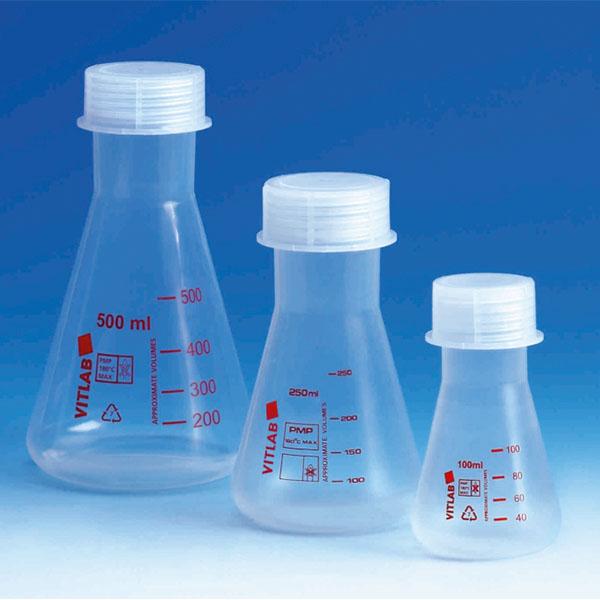 Laboratory Flasks
 Beakers, Measuring Jugs
 Liquid Handling Tools
 Sampling Tools
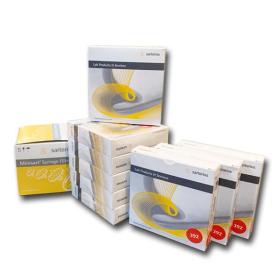 Filtration Tools and Consumables
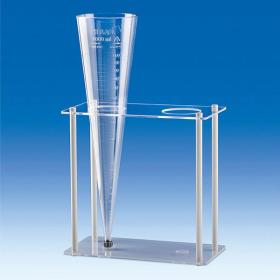 Racks and Stands
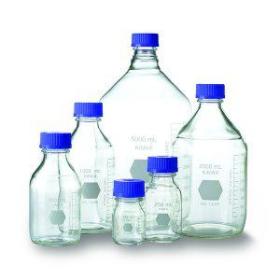 Laboratory Bottles and Vials
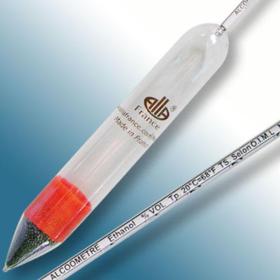 Thermometers, Hydrometers, Baumé Hydrometers, Alcoholmeters
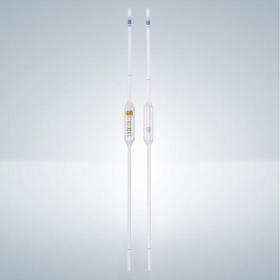 Pipettes
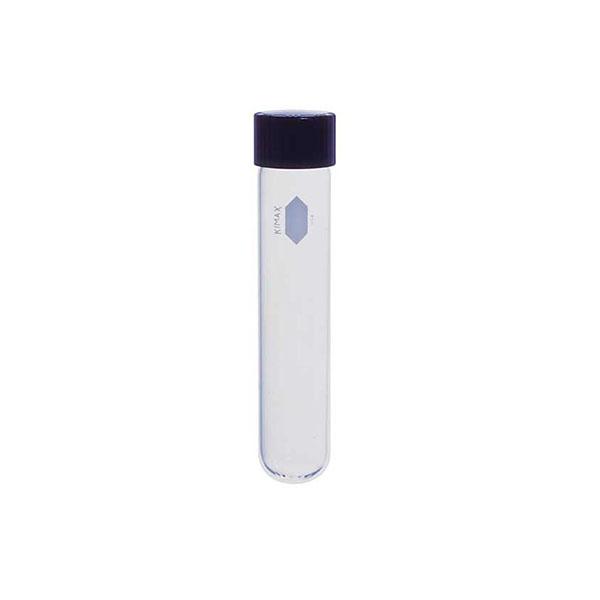 Test tubes
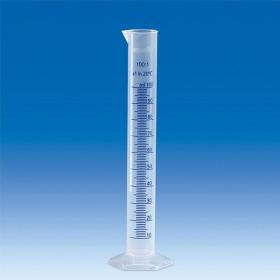 Graduated cylinders
 Funnels
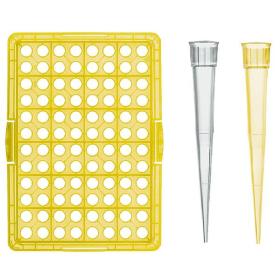 Tips & tip boxes
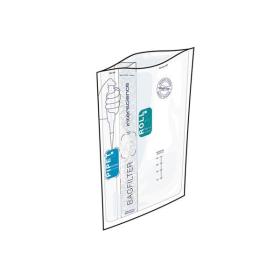 Homogenizer bags
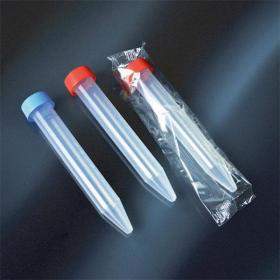 Centrifuge tubes
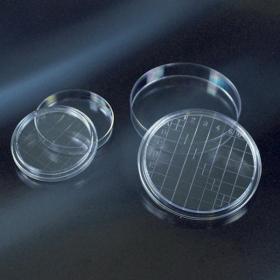 Petri dishes
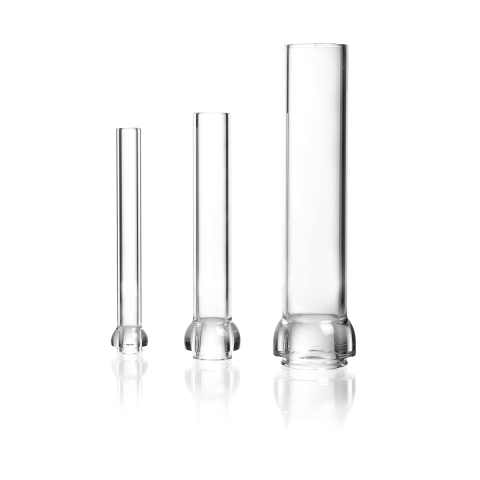 Glass Adapters and Ground Glass Joints
 Others
- Glass capillary tubes
- Glass melting point tubes
- Condensers
- Plastic weighing boats
- Glass stirring rods
- Filtration and separation equipment
- Alcohol burners
- Glass weighing bottles
- Crucibles
- Crucible tongs
- Blender bag openers
- BagClip sealing clips
- Autoclave deodorant capsules
- Magnetic stir bars
- Test tube brushes
- Glass watch glasses
- Glass beads
- Glass wool
- Glass slides
- Plastic buckets
- Stainless steel bucket
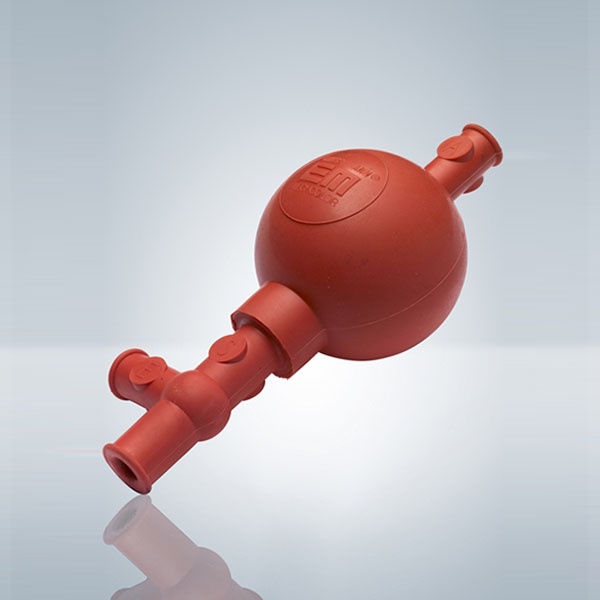
- Rubber bulb
- Inoculation loop
- Sampling rod
- Plastic spoon
- Stainless steel spoon
- Plastic tweezers
- Glass burette
- Glass slide
- Glass filter crucible

Glass melting point tubes

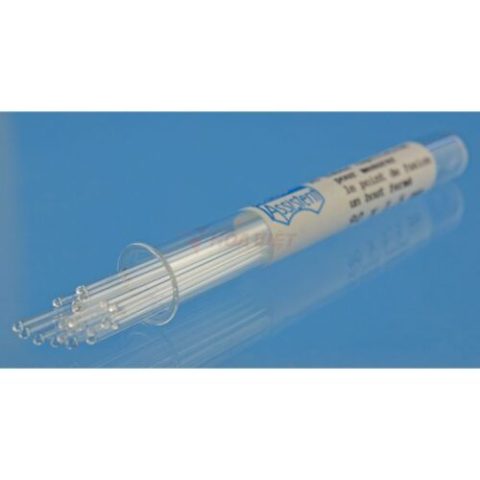
About Glass Melting Point Tubes
Glass melting point tubes are specialized capillary tools used to contain solid samples whose melting points are to be determined in thermal analysis instruments or dedicated apparatus. Thanks to the transparent tube wall and small capillary cross-section, analysts can easily observe the phase transition of the specimen in pharmaceutical, chemical, and quality control laboratories.
When selecting products, users need to determine the design type, including one-end sealed or both-ends open, to suit sample packing and tube sealing operations. Length and diameter are also essential technical criteria to consider, with specifications such as length 70mm, 90mm, or size 90x1.5mm compatible with various heating chambers. Hoa Viet currently supplies melting point tubes packaged in 100 tubes/vial from Assistent and Hirschmann, made in Germany.
What is the difference between closed-end and open-end melting point tubes?
Closed-end tubes are pre-sealed at one end, allowing users to simply load the powder sample and carry out the measurement immediately without thermal sealing. Conversely, open-end tubes allow sampling from one end before manually sealing the bottom with a flame, or are used for specialized capillary analysis methods.
Which brands of melting point tubes does Hoa Viet supply?
Hoa Viet currently distributes glass melting point tubes from Assistent and Hirschmann, both originated from Germany. Products are supplied in packages of 100 tubes/vial with options for either one closed end or both open ends.
How to choose the correct size of melting point tubes?
Customers should check the tube holder specifications of their current melting point apparatus to select the appropriate length and outer diameter. The catalog currently offers standard sizes such as lengths of 70mm, 90mm, or size 90x1.5mm.
How should capillary melting point tubes be stored?
Products should be kept in their original tightly capped vials in a dry place to prevent dust or moisture from entering the tubes and causing inaccurate measurement results. Avoid strong impacts that could crack or break the thin glass walls of the tubes.
