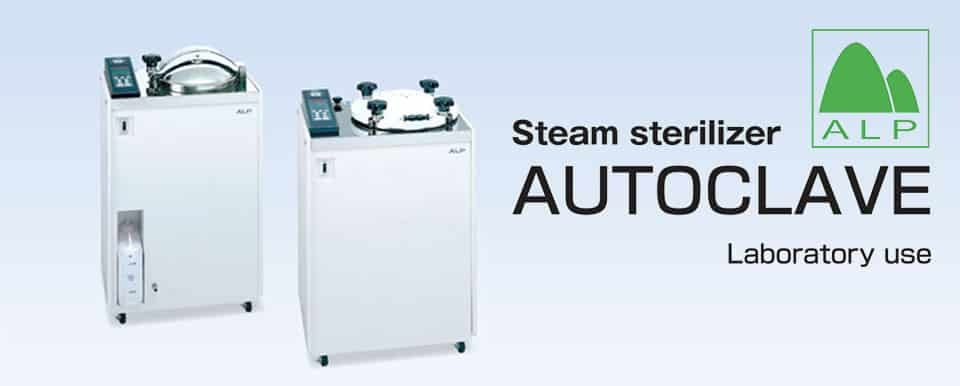
Essential information you need to know about autoclaves.
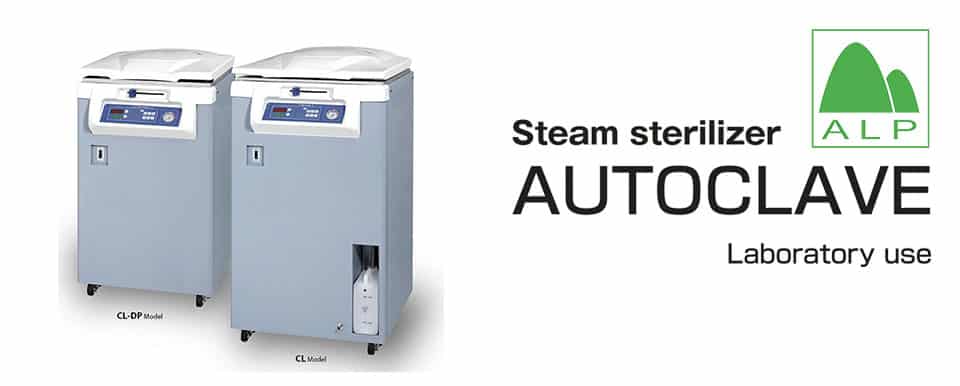
Autoclaves are equipment used across many fields, from research and production of microbiological products, pharmaceuticals, food, tissue culture, medicinal mushroom cultivation, life sciences, and especially the medical sector, etc.
Despite their popularity, autoclaves remain unfamiliar to many because they are specialized scientific and technical equipment. What is an autoclave? What is its structure? How does it function? Is it complicated to operate?
In the article below, Hoa Viet provides some insights to help you better understand this product.
What is an autoclave?
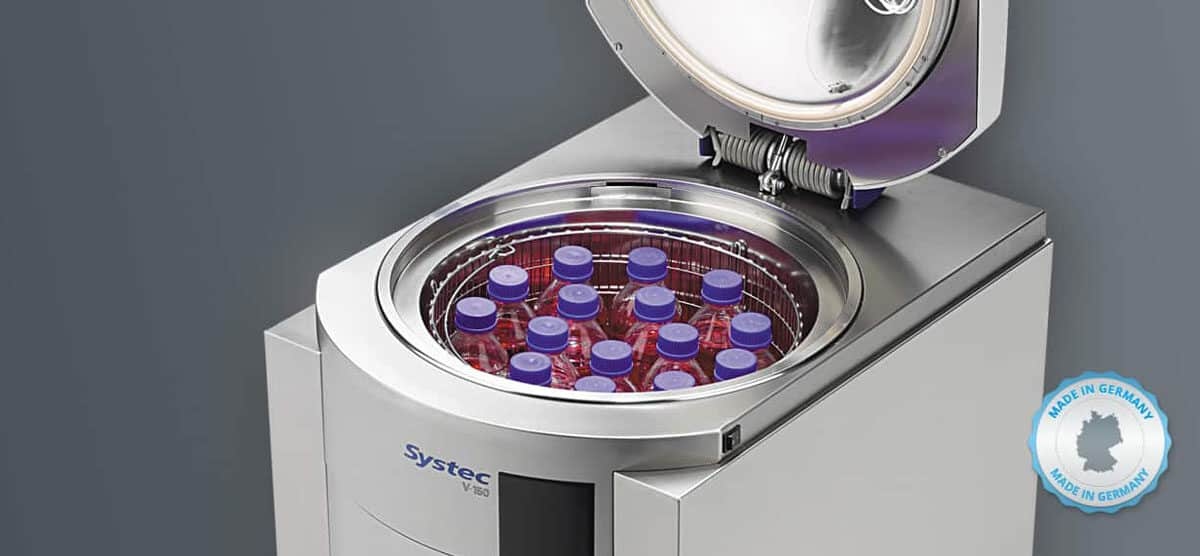
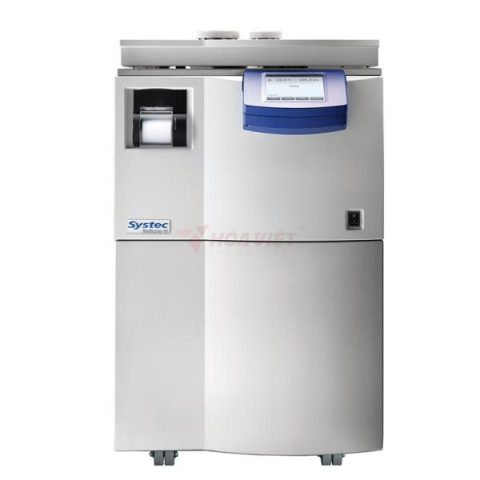
An autoclave sterilizer (or simply autoclave) is an equipment that operates under high pressure, maintaining a minimum preset temperature for a specified period of time to sterilize instruments and prevent bacteria from spreading and emerging.
Autoclaves are widely used in chemistry, biotechnology, food, environment, agriculture, and pharmaceuticals/medicine, etc.
Common sterilization methods currently include:
Sterilization is the process of completely destroying or eliminating all viable microorganisms in a medium or on a given object. Sterilization can be achieved through various methods depending on product types and specific requirements, such as incineration, non-destructive heat treatment, gas sterilization, ionizing radiation, chemical agents, or traditional filtration. Among these, high-pressure steam sterilization is the optimal, highly effective method widely used in microbiological research.
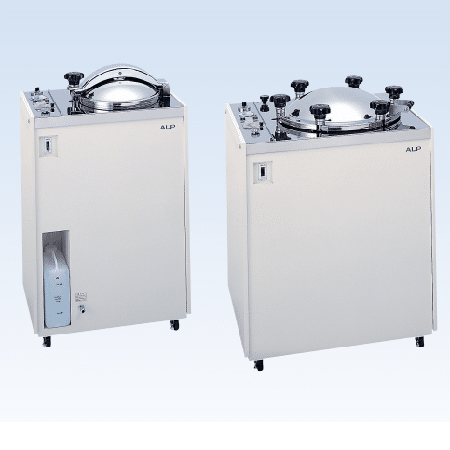
The most common sterilization method using an autoclave
Depending on the procedure and operating temperature, the following methods can be used: dry heat sterilization, steam sterilization, or pasteurization, etc.
1. Dry heat sterilization (incineration/flaming method)
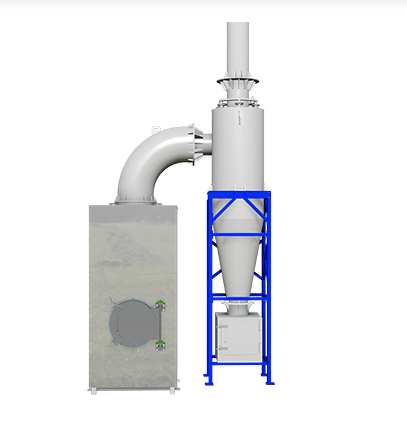
This is an early method used prior to the advent of moist heat (steam) sterilization. The dry heat sterilization process uses high temperatures to incinerate microorganisms. This method takes longer as the destruction of microbial structures occurs gradually over the heating period; prolonged exposure to high temperatures causes the microbial count to die off and progressively decrease. Therefore, this method is only suitable for sterilizing heat-resistant products that do not denature at high temperatures, etc.
2. Steam sterilization (using autoclaves)
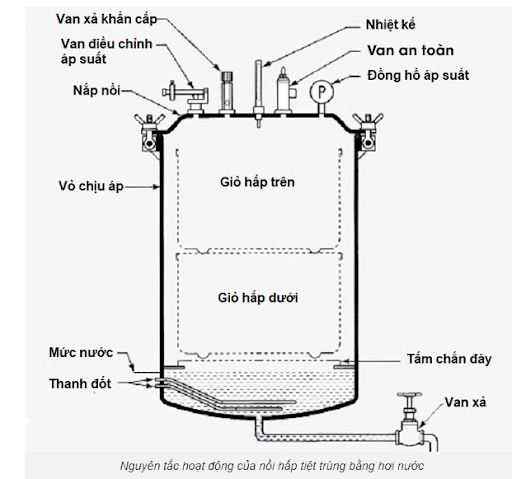
This is currently the most common method. This method uses an autoclave to heat steam at 121oC, which is then pumped into the autoclave chamber, generating high pressure and temperature to kill microorganisms. During operation, air inside the autoclave chamber is completely eliminated; moist heat combined with high pressure destroys the structure of microorganisms and denatures macromolecules (primarily proteins), preventing microorganisms from replicating and ensuring complete destruction.
3. Pasteurization
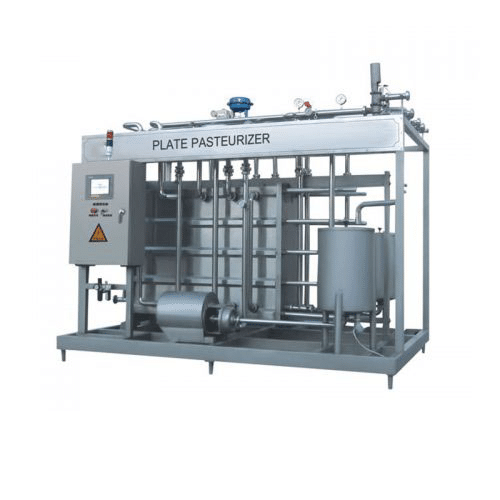
Pasteurization is a method of heating food to a specific temperature for a predetermined period and then rapidly cooling it. This method slows down the spoilage of food caused by microorganisms.
This method uses moderate heat to inactivate pathogenic microorganisms in liquids such as milk and water at temperatures lower than sterilization, thereby minimizing changes in flavor and food denaturation.
How to use an autoclave
To operate any equipment easily, you first need to clearly understand its structure. Therefore, let's explore the construction of an autoclave first.
The construction of an autoclave includes:
- Door clamping nut.
- Power switch.
- Door handle.
- Sterilization timer.
- Temperature control knob.
- Cover.
- Drying timer.
- Power indicator.
- Pressure and temperature gauge.
- Heating and sterilizing indicator.
- Emergency exhaust switch.
- Start switch
- Drying indicator
- Chamber capacity: 50 liters
- Complete indicator.
- Thermometer temperature: 140 °C.
- Safety devices include: Pressure safety valve, over-temperature protection switch, over-pressure protection switch, double steam trap to increase sterilization efficiency, emergency exhaust switch, low water indicator.
Preparation and installation of the autoclave
- First, the autoclave must be placed on a flat, level surface, maintaining a distance of more than 5cm between the wall and the unit's casing.
- Next, check the power supply to ensure it is between 220V and 240V.
- Plug the power cord into the mains.
- Slowly pour distilled water into the chamber, stopping at approximately 3000cc.
- Attach the exhaust hose: one end to the drainage system, and the other end to the 10mm mm hose barb at the back of the machine. For added safety, connect a tube from the overpressure safety valve to the drainage system.
- Finally, press the power button; the illuminated power indicator indicates that the machine is ready for operation.
With the detailed information about autoclaves above, Hoa Viet hopes to provide useful insights to make using the autoclave easier for everyone. If you need to purchase or require further consultation on installing an autoclave for medical rooms, etc., please contact Hoa Viet immediately.
With years of experience, Hoa Viet is confident in providing you with the most sincere advice. Furthermore, Hoa Viet offers a wide range of genuine, high-quality products awaiting you. Hoa Viet commits to 100% genuine products, saying no to counterfeits and imitations.
Contact information:
- Hoa Viet Co., Ltd.
- Address: 229 – 231 Le Cao Lang, Phu Thanh Ward, Tan Phu District, HCMC
- Hotline: 028 39 789 666