THE DIFFERENCE BETWEEN STERILIZATION AND PASTEURIZATION

Did you know?
Before scientific advancements emerged, food preservation was a difficult challenge! ???????? People tried everything: from salting and sun-drying to smoking... yet the results sometimes failed.
Everything changed thanks to Louis Pasteur, a brilliant scientist. In the 19th century, he discovered the power of heat in destroying microorganisms, laying the groundwork for two modern food preservation processes:
✔️ Sterilization – Completely eliminates bacteria.
✔️ Pasteurization – Destroys most bacteria while preserving natural flavor.
1. Sterilization: Sustainable preservation, optimal safety
✨ Sterilization process
Uses temperatures above 100°C to completely eliminate bacteria.
After sterilization, food can be preserved long-term (for years) without refrigeration.
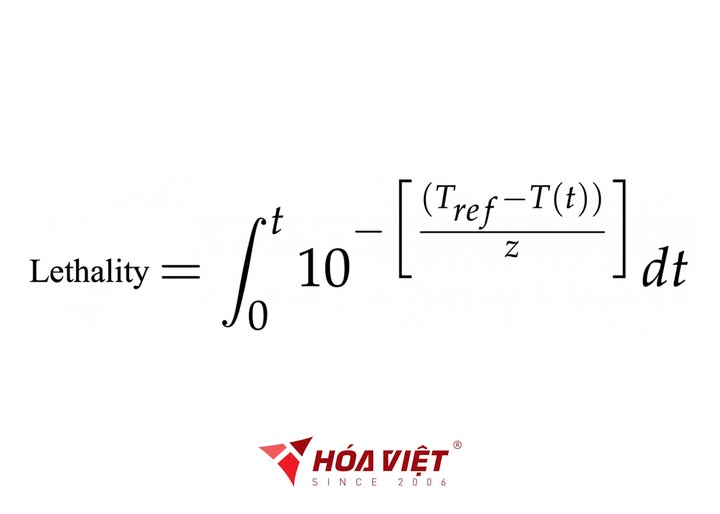
⚙️ Fo value: Sterilization time at 121,11°C.
✨ Sterilization applications
Canned food: Jams, fruit purees, canned fish, canned beans...
Processed products: Pureed tomatoes...
⚠️ Note
Although shelf life is long, some flavors and nutrients may be lost due to high temperatures.
2. Pasteurization: Preserving fresh flavors intact
✨ Pasteurization Process
Uses temperatures below 100°C.
Destroys most microorganisms while preserving nutritional quality and natural flavor.
⚙️ PU Value: Processing time at 60°C.
✨ Pasteurization Applications
Milk and dairy products: Fresh milk, fresh cheese, cream.
Eggs: Eliminates enzymes and pathogens.
High-sugar foods: Beer, honey.
Fruits and fresh noodles: Extends shelf life.
❄️ Note
Most pasteurized foods require cold storage (refrigeration) to limit the growth of residual bacteria.
Conclusion
Sterilization or pasteurization, each method has its own advantages. Which do you choose?
✅ Maximum safety, long shelf life – Sterilization.
✅ Original flavor, full nutrients – Pasteurization.