What is a climate chamber and methods for testing product stability
1. Definition
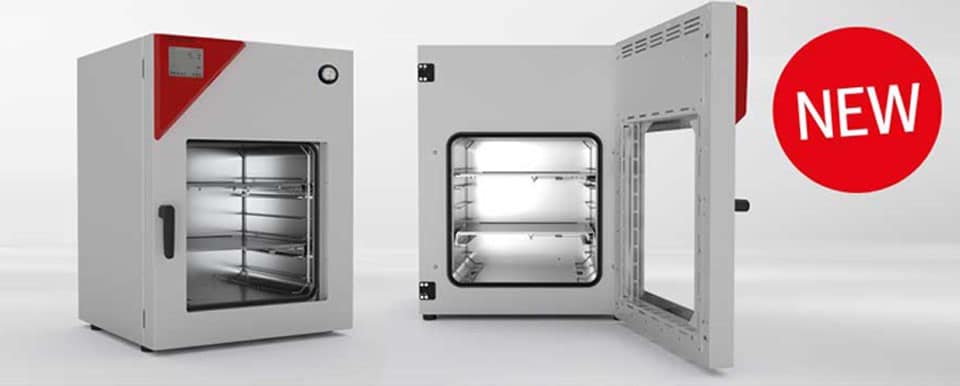
A climate chamber, also known as an environmental test chamber (humidity chamber), creates the necessary conditions to test the stability of various materials. A climate chamber can be used to simulate different temperature and humidity conditions. In addition, light simulation is also very important for certain tests.
There are two types of climatic chambers: constant temperature-humidity chambers and variable temperature-humidity chambers. Constant climatic chambers are commonly used for long-term stability testing and can be used to maintain temperature and humidity at a specific level. On the other hand, variable temperature and humidity climatic chambers can be used to run specific test programs where temperature and humidity are automatically modified at set times.
Climate chambers are used in industrial and research fields. These applications include stress testing, material testing, aging testing, long-term stability testing, and using a specific database.
2. Humidification system and other critical factors in climate chambers
Climatic chambers create stable temperature, humidity, and light conditions. There are many different models and volumes depending on testing requirements. To ensure that tests deliver reliable results, accurate data acquisition and recording throughout the entire process are essential.
Climate systems and cooling units are perfectly adjusted to provide optimal uniformity throughout the chamber – even right up to the edges and under full load. Uniform climatic conditions across all test specimens, regardless of sample size and quantity, are crucial, especially for long-term testing compliant with GLP and GMP standards. A compressed-air cooling system is often utilized to ensure tests are performed under extreme ambient conditions, while an independent temperature safety device monitors data with visual and audible alarms.
The humidification system is connected to a drift-free capacitive humidity sensor. This ensures fast response times, accurate measurements, and short recovery times after door openings. Test results are FDA-compliant thanks to the microprocessor-controlled humidification and dehumidification system. The humidification unit features a plug-and-play water supply system, offering options such as connecting to an existing water line or using an internal water tank for easy mobile placement.
With a reliable controller operating in tandem with an HMI (Human-Machine Interface) featuring an intuitive touchscreen, operators can view an overview of all measured data and easily operate the climatic chamber. This controller also ensures that relevant documentation is securely stored, complying with FDA, GLP, GMP standards, and more.
3. Stability testing and stress-testing in climate chambers
To utilize the results of a stability test, the climate chamber must ensure homogeneous conditions throughout the testing process. Even the slightest external influences can distort the results, which is why the quality assurance measures provided by a climate chamber are crucial for various stability tests.
There are 4 main types of stability testing:
To most effectively analyze sample degradation, specific types of stability tests have been developed as follows:
>> Long-term tests: This testing method is used to observe product (pharmaceutical) changes under real-world conditions. Samples are tested at specific temperatures and relative humidities depending on the climatic zone. During this period, active pharmaceutical ingredients are routinely analyzed while remaining inside the climatic chamber. Depending on the properties of the specific sample, a long-term test can last up to several years.
>> On-going stability testing: This method is used to verify whether product quality can be maintained even after its expiration date. GMP standards require continuous analysis of products already on the market to ensure that the quality of pharmaceutical products does not deteriorate after commercialization.
>> Accelerated shelf-life testing: these tests simulate the real-time aging of pharmaceuticals in shorter periods. In accelerated stability tests, samples tend to be exposed to higher temperatures. For example, using this method, a specific state can be reached within 6 weeks, which under normal conditions might take from 1 to several years.
>> Stress tests: Stability testing under extreme conditions, e.g., at 60oC and 60% RH, is typically conducted in the early stages of research to determine which test method is most suitable for the active ingredient in question. Stress testing is clearly defined in the ICH Q1A guidelines.
Only a few climatic chamber manufacturers are capable of supporting these test methods. Among them, BINDER climatic chambers are world-leading in quality.