
 All
 SYKAM - Germany
 Systec - Germany
 Atago - Japan
 Sartorius - Germany
 Shimadzu - Japan
 Binder - Germany
 Interscience - France
 Haier - China
 Rocker - Taiwan
 Hirschmann - Germany
 Newstar - China
 Jet Biofil - China
 Nabertherm - Germany
 Vitlab - Germany
 Alla - France
 AT-OS - Italy
 Jipo - Czech Republic
 ALP - Japan
 Aptaca - Italy
 Assistent - Germany
 Yamato - Japan
 Burkle - Germany
 Aureole - India
 Duran - Germany
 Azlon - Anh
 Kimble-DWK - USA
 Julabo - Germany
 B+S - Anh
 SI Analytics - Germany
 WTW - Germany
 EBRO - Germany
 Sturdy - Taiwan
 PTI - USA
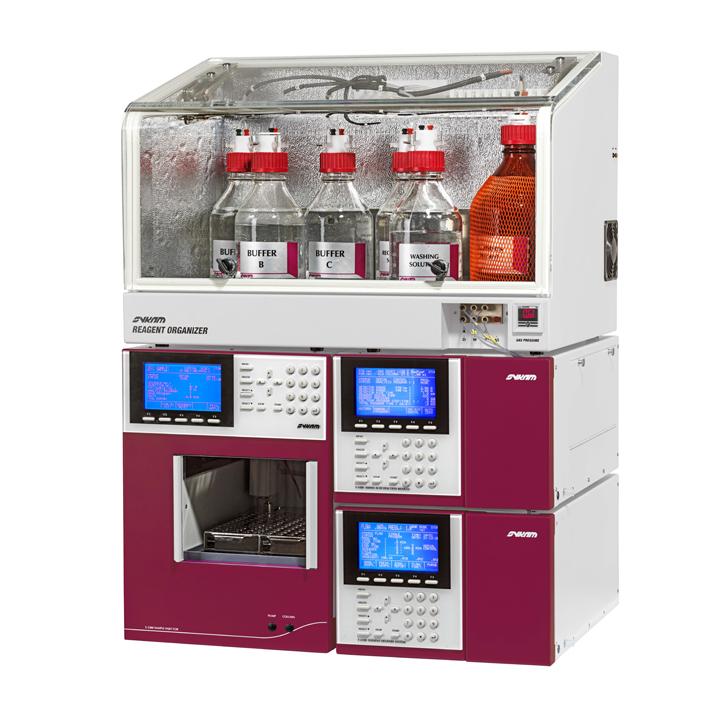 Analytical Equipment
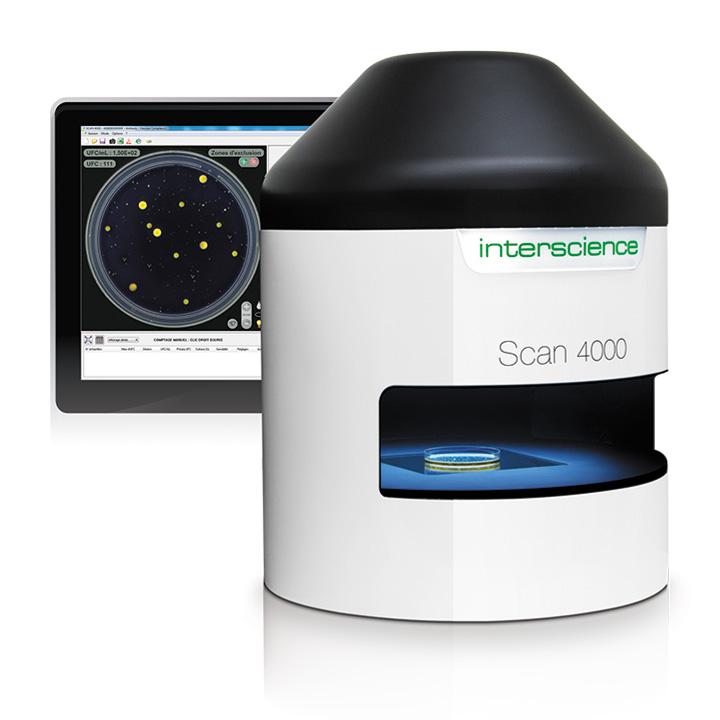 Microbiology Equipment
- Gravimetric Diluters and Sample Weighing Systems
- Mediaprep Automated Media Preparators
- Mediafill Automated Media Distributors
- Manual Media Dispensers
- Lab Blenders / Homogenizers
- Automated Spiral Platers
- Manual Colony Counters
- Automated Colony Counters
- Inhibition Zone Readers
- Automated Incubators and Colony Counters
- Biosafety Cabinets
- Laminar Flow Hoods
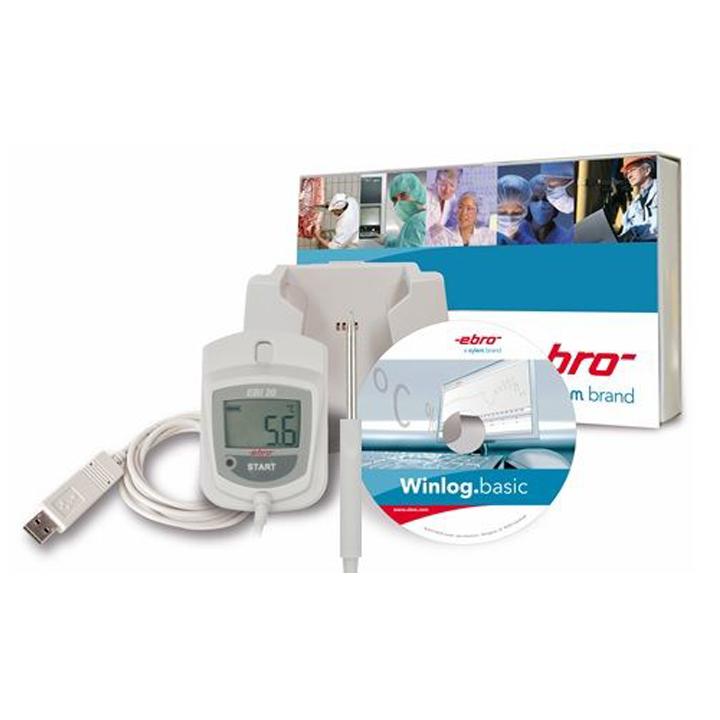 Temperature, Humidity, and Pressure Measuring Instruments
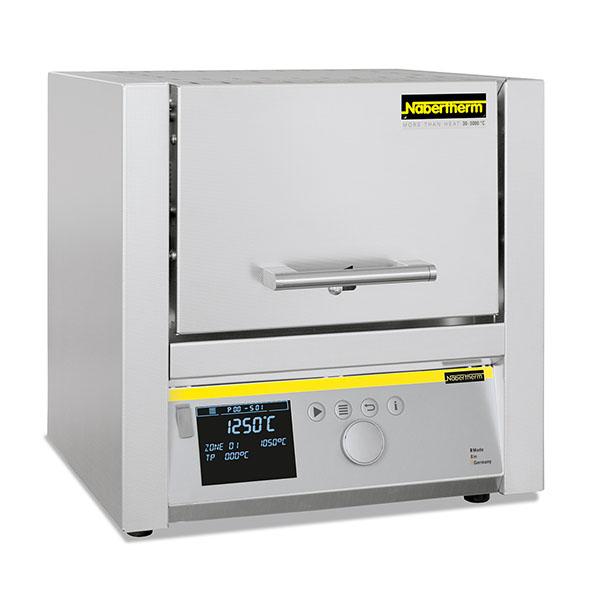 Other Basic Equipment
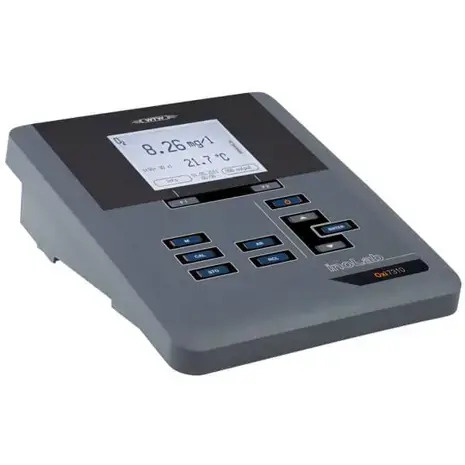 Multiparameter Water Quality Meters
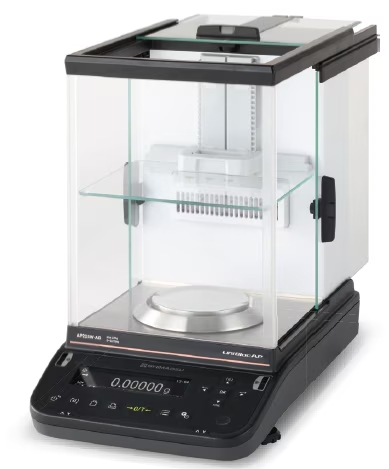 Balances
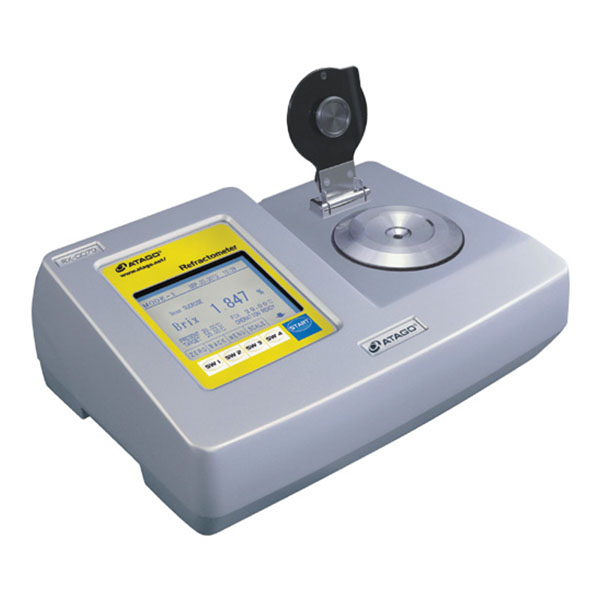 Polarimeters, Refractometers
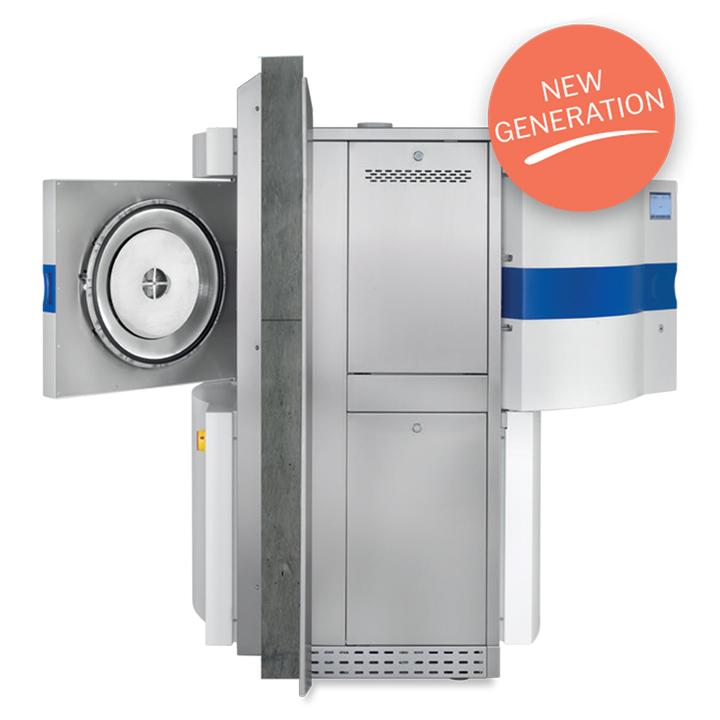 Autoclaves
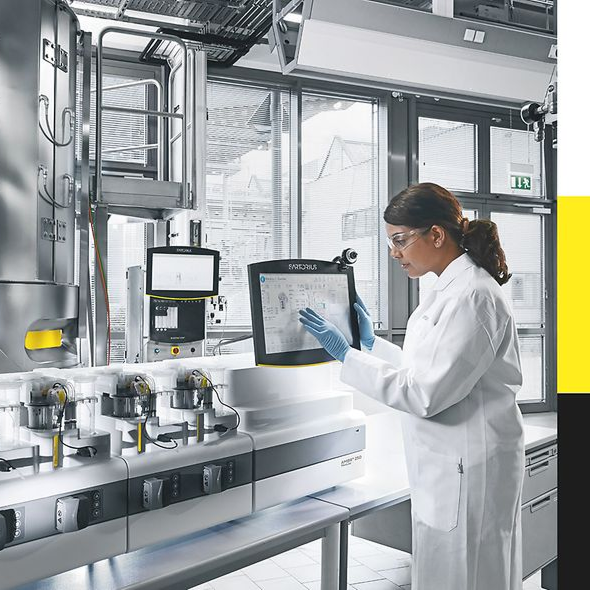 Biotechnology Equipment and Solutions
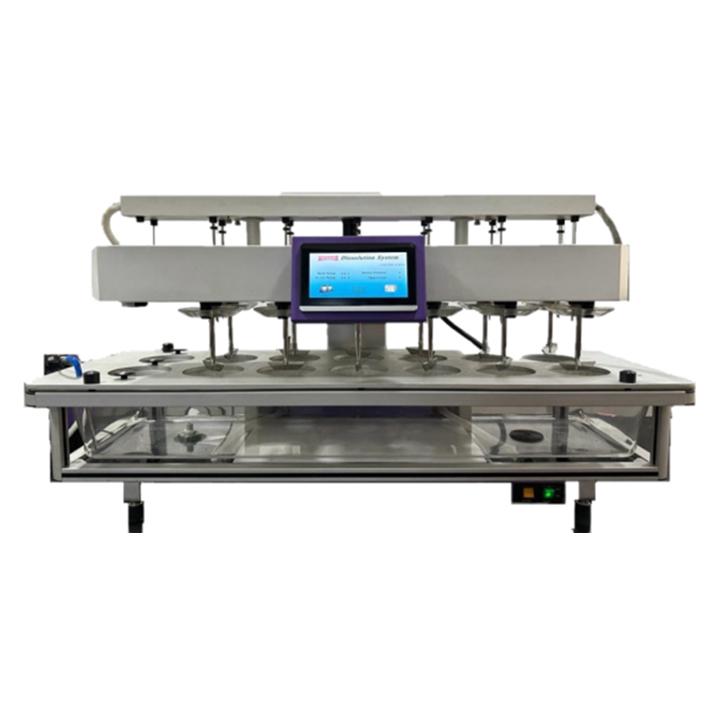 Pharmaceutical Equipment
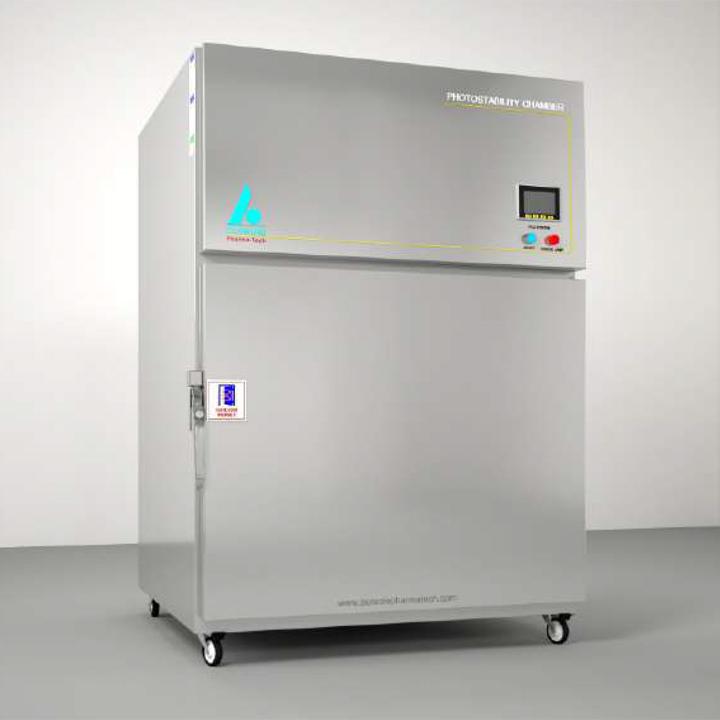 Shelf-life Testing Equipment
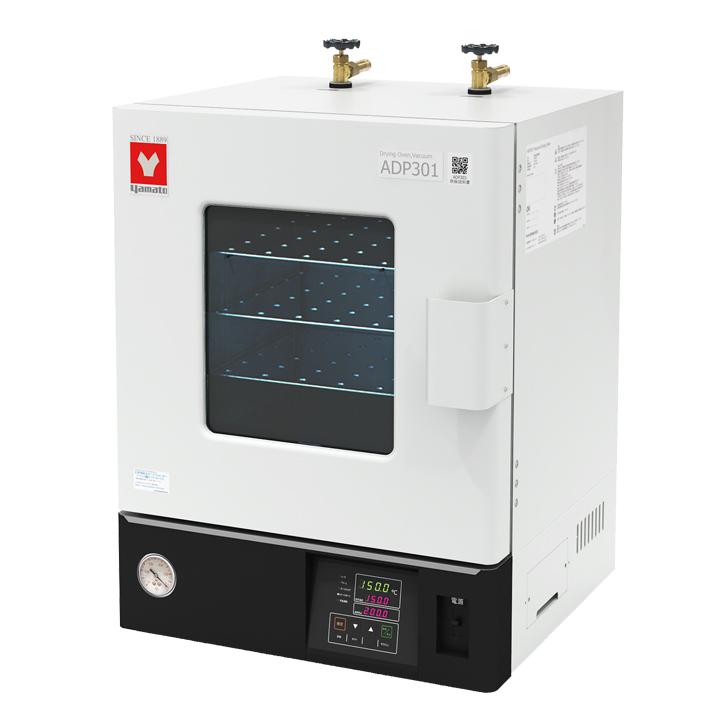 Drying Ovens
 Incubators
 Laboratory Flasks
 Beakers, Measuring Jugs
 Liquid Handling Tools
 Sampling Tools
 Filtration Tools and Consumables
 Racks and Stands
 Laboratory Bottles and Vials
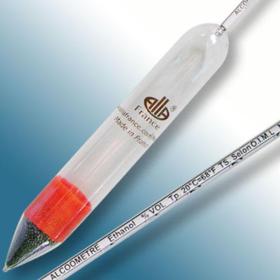 Thermometers, Hydrometers, Baumé Hydrometers, Alcoholmeters
 Pipettes
 Test tubes
 Graduated cylinders
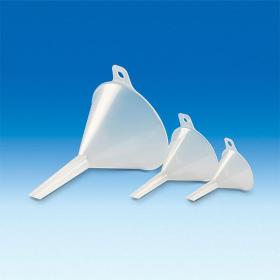 Funnels
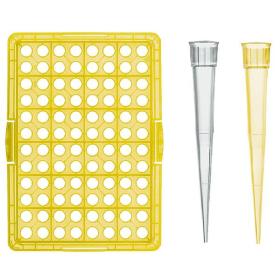 Tips & tip boxes
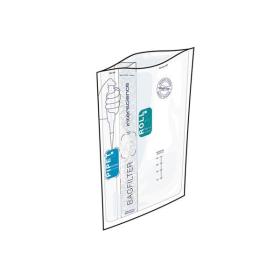 Homogenizer bags
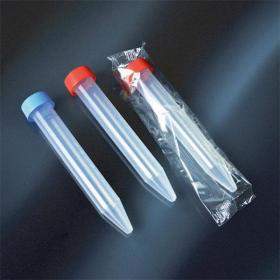 Centrifuge tubes
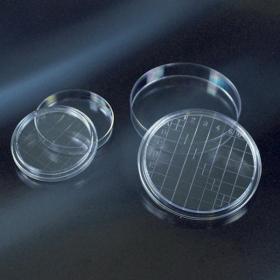 Petri dishes
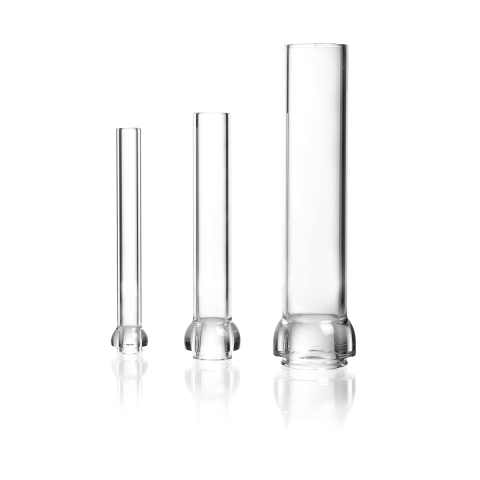 Glass Adapters and Ground Glass Joints
 Others
- Glass capillary tubes
- Glass melting point tubes
- Condensers
- Plastic weighing boats
- Glass stirring rods
- Filtration and separation equipment
- Alcohol burners
- Glass weighing bottles
- Crucibles
- Crucible tongs
- Blender bag openers
- BagClip sealing clips
- Autoclave deodorant capsules
- Magnetic stir bars
- Test tube brushes
- Glass watch glasses
- Glass beads
- Glass wool
- Glass slides
- Plastic buckets
- Stainless steel bucket
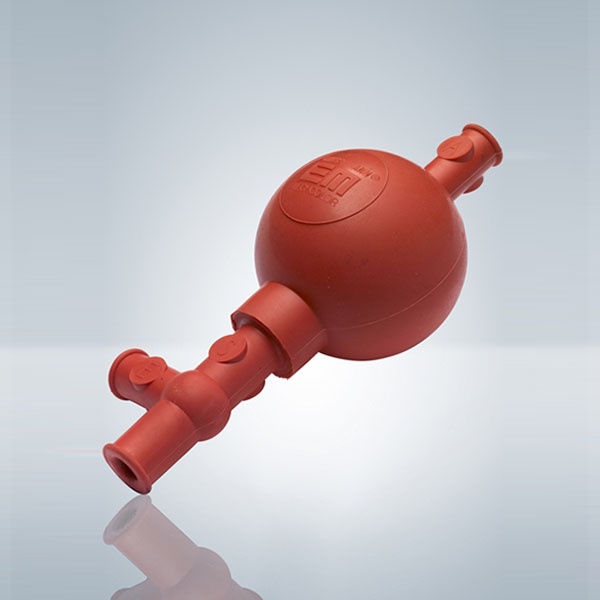
- Rubber bulb
- Inoculation loop
- Sampling rod
- Plastic spoon
- Stainless steel spoon
- Plastic tweezers
- Glass burette
- Glass slide
- Glass filter crucible

Incubators
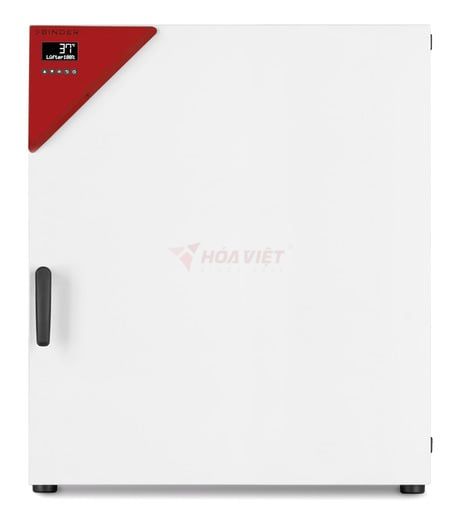
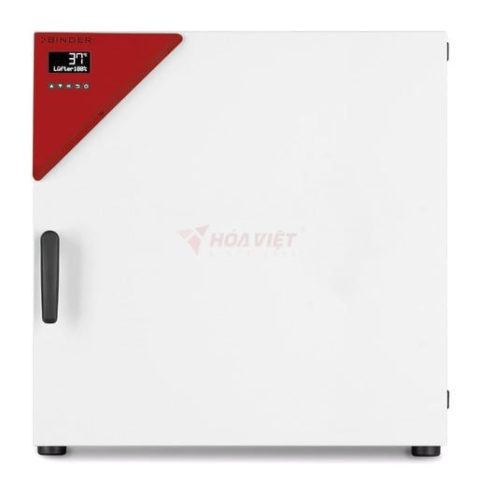
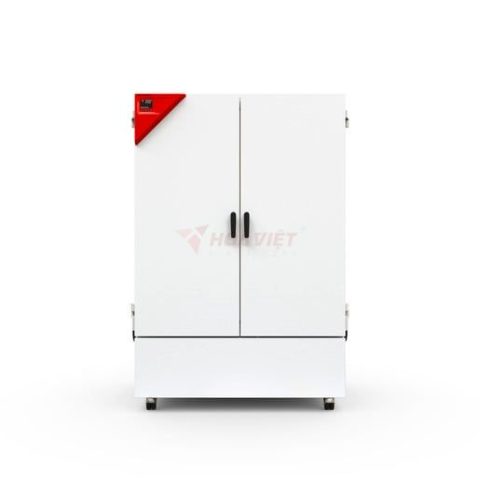
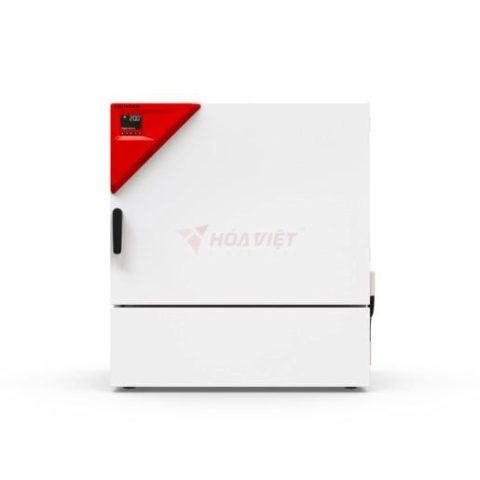
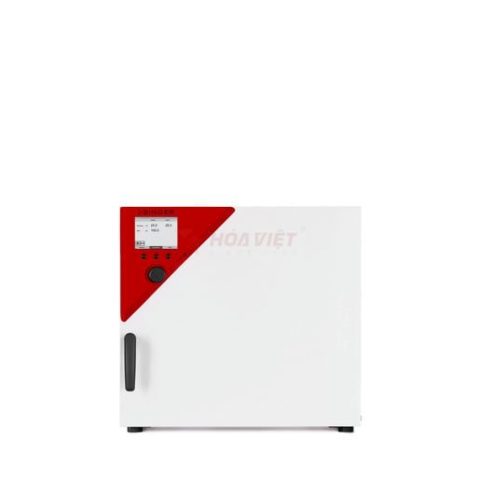
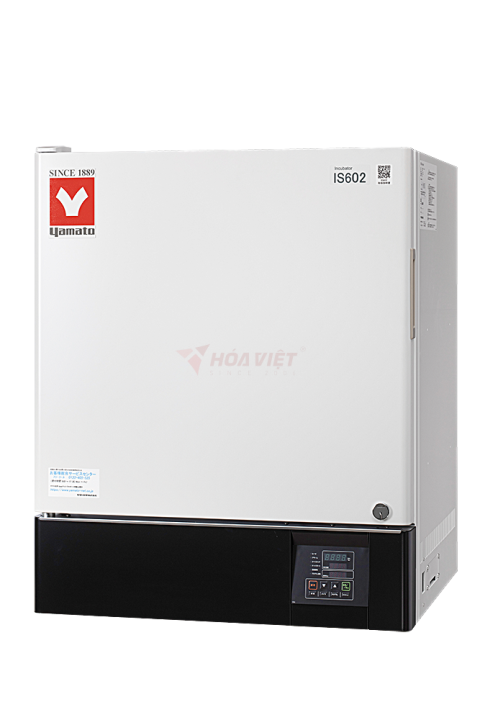
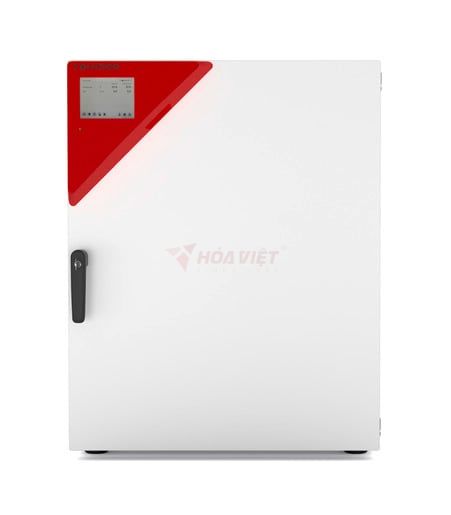
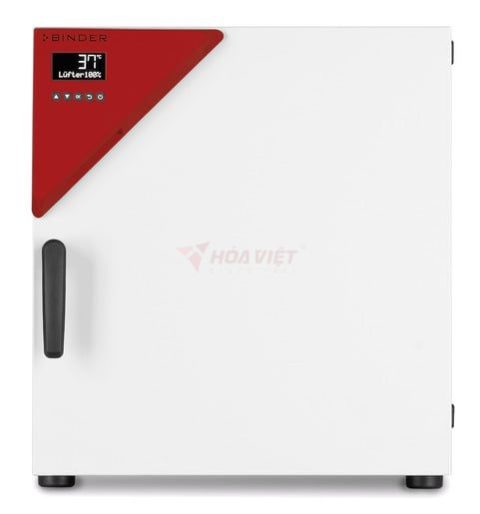
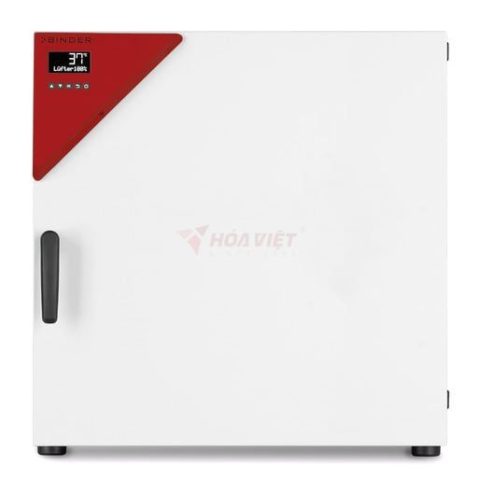
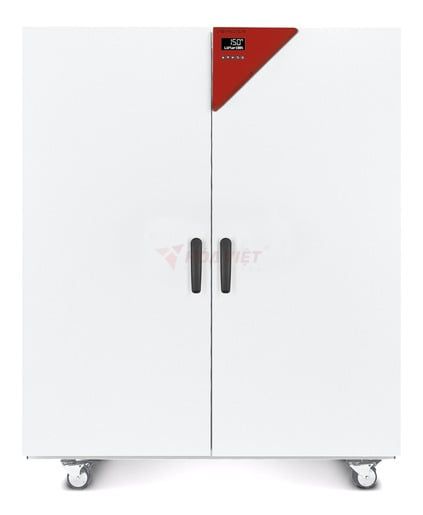
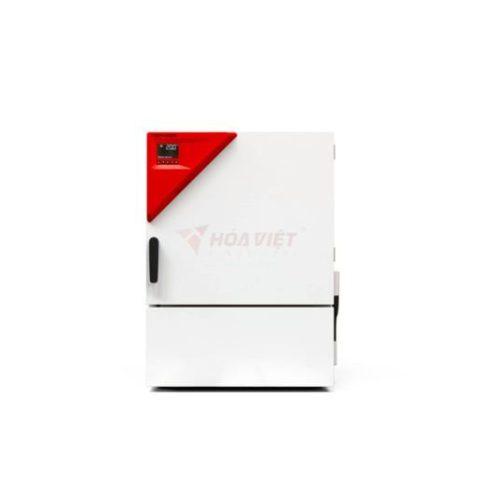
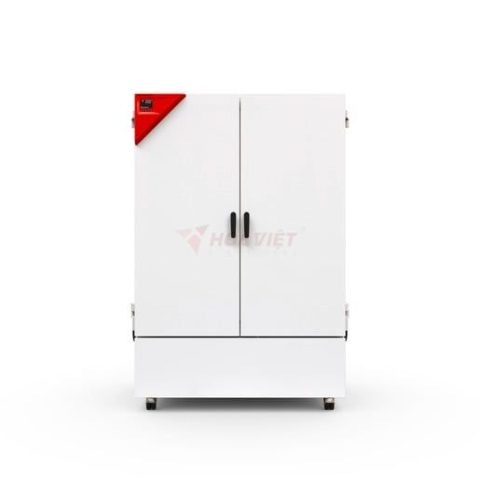
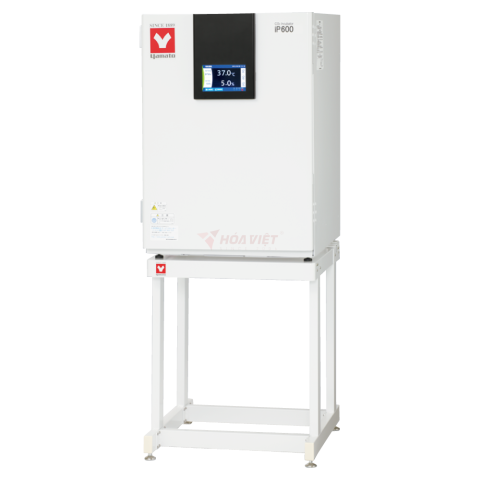
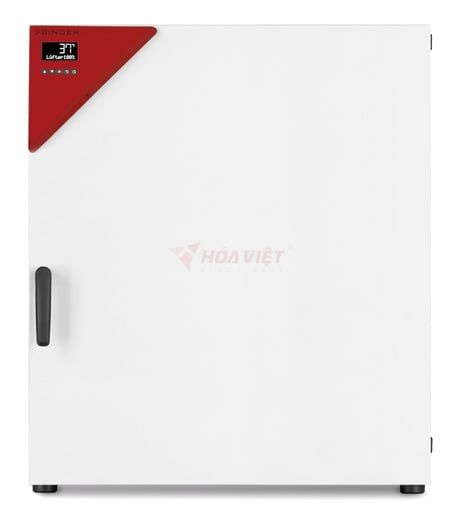
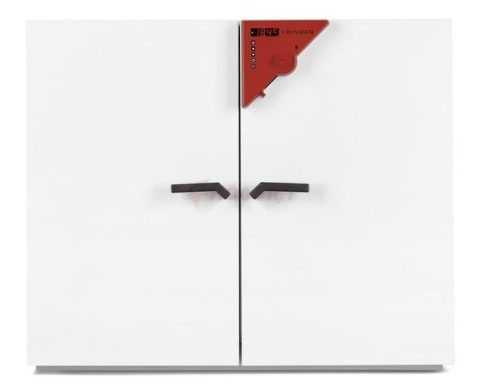
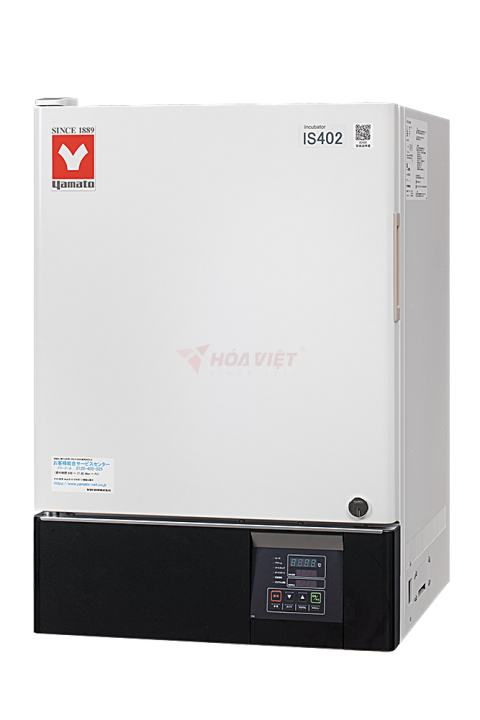
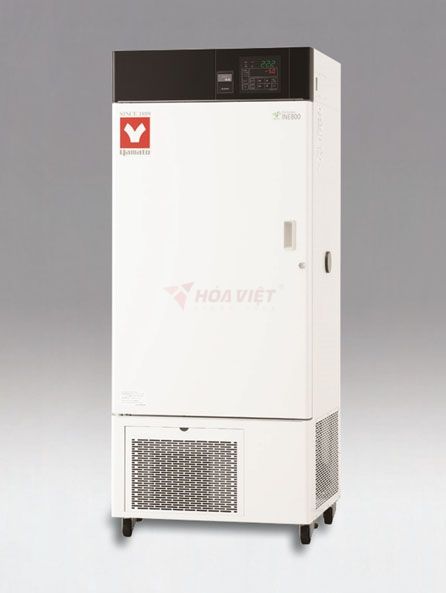
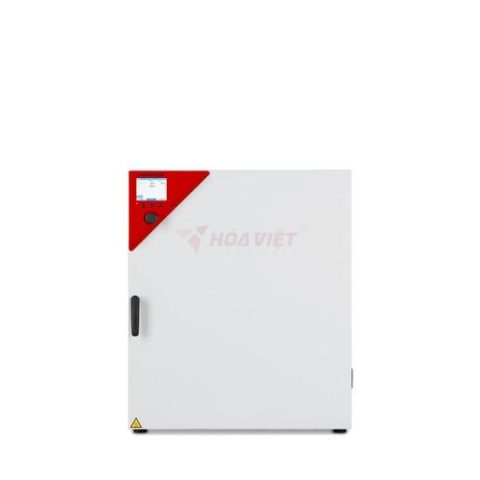
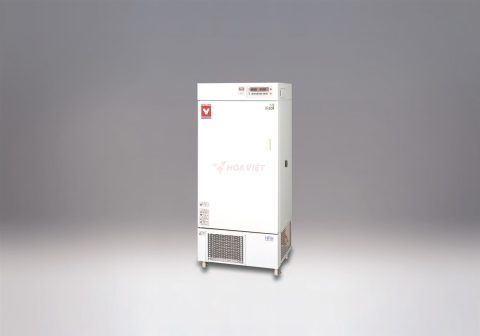
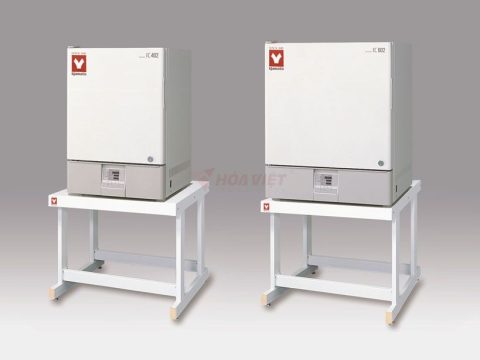
Introduction to Incubators
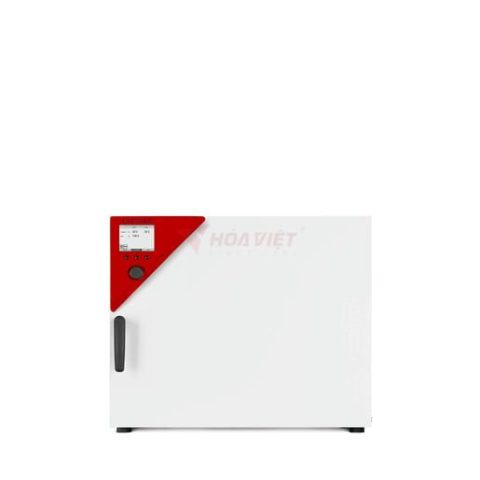
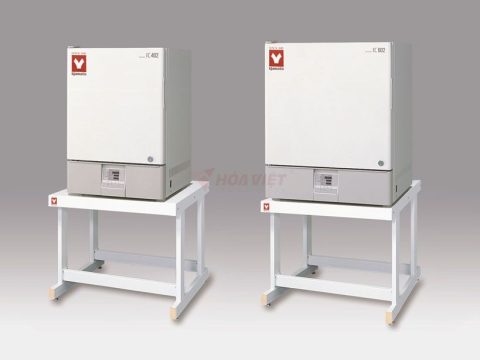
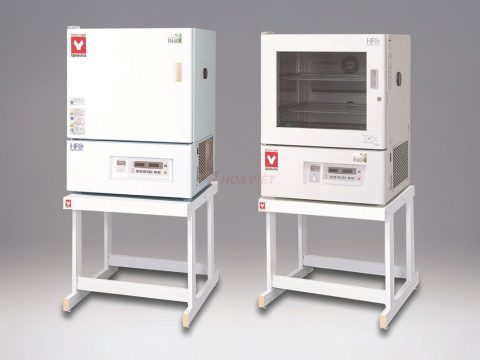
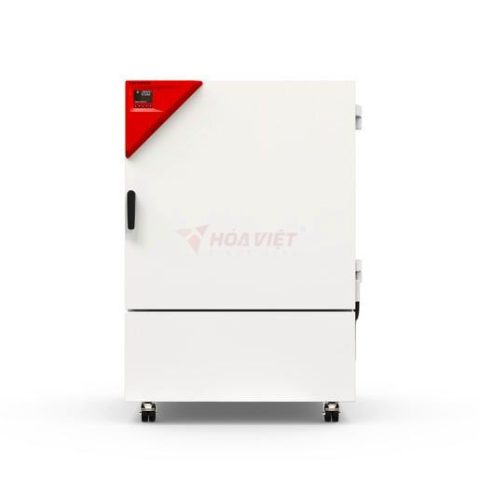
Incubators are laboratory equipment used to create and maintain a stable temperature environment for cell culture, microbiology, and conditioning temperature-sensitive samples. The equipment plays a crucial role in microbiological, biological, and environmental analyses, with main product categories including natural convection incubators, forced convection incubators, refrigerated incubators, and CO2 incubators.
When selecting an incubator, users need to determine the incubation purpose, the heat distribution method (natural or forced convection), the operating temperature range, and cycle programming features if needed. Hoa Viet distributes incubator lines from Binder (Germany) and Yamato (Japan), meeting all requirements from basic incubation to advanced control. Contact us for detailed technical advice.
When should natural convection incubators be chosen and when forced convection?
Natural convection incubators are suitable for gentle incubation of airflow-sensitive samples to minimize sample drying. Meanwhile, forced convection incubators are ideal when the chamber is fully loaded or when rapid temperature recovery and uniformity across shelves are required.
Which incubator brands does Hoa Viet supply?
Hoa Viet currently distributes standard incubators, cooled incubators, and CO2 incubators from two manufacturers: Binder (Germany) and Yamato (Japan). Customers can directly contact Hoa Viet for technical support and to request a quote.
How does a cooled incubator differ from a standard incubator?
Standard incubators only provide heating to maintain temperatures above ambient level. Cooled incubators incorporate an integrated refrigeration system, allowing stable low-temperature ranges for environmental testing, BOD parameters, or specialized microorganism cultivation.
What should be noted when installing and arranging samples in an incubator?
Incubators should be placed on a level surface, away from direct sunlight, heat sources, and strong drafts from air conditioners. During operation, do not overcrowd samples to ensure optimal air circulation inside the incubation chamber.
